GNS Construction is committed to excellence in every aspect of our business. We uphold a standard of integrity bound by fairness, honesty, and personal responsibility. Our distinction is the quality of service we bring to our customers. Accurate knowledge of our trade combined with ability is what makes us true professionals. Above all, we are watchful of our customer's interests and make their concerns the basis of our business. Please give us a call today!
We bring old-world, quality craftsmanship to every unique project we take on. We specialize in a variety of major home improvement projects to include additions, kitchen and bathroom remodels, major renovations and home repairs. We work efficiently with our resources to ensure your project is completed on time and on budget. We're licensed and insured & look forward to building strong, long-lasting relationships with our clients and guarantee your satisfaction.
I am a young business owner and brand new father! I have worked all over the construction industry from a young age and became a licensed plumber before I finished highschool. The name “One man” Freelancing was inspired by my service in the WV national guard where I still currently serve as the “one man” a term given to the cannon crewmember who loads and fires the artillery cannons. I have a broad range of knowledge and problem solving skills, if I don’t know how to do the job I will surely be able to learn and you will not be disappointed with results!
"A. Blazer did an excellent job. Arrived, as scheduled, first thing on a Saturday morning and completed my small repair in no time. I would use A. Blazer again."
"Alford removed a carpenter bee damaged porch deck and replaced the 6 x 25 foot decking under the existing roof. The project was designed and installed with quality materials and professional workmanship. In the Charleston area, Alford was the most prompt and reliable company we dealt while trying to obtain bids for the deck replacement."
The width of your door jamb should match your wall thickness exactly, so it depends on your wall. For standard door openings, the width is equal to the width of a 2-by-4-inch stud, plus the width of the drywall on both sides—about 1/2 inch each—which comes out to 4 9/16 inches. Block walls and framed walls that use 2-by-6-inch framing require a door jamb that’s 6 9/16 inches. You should always measure your finished wall thickness to get an accurate width for your door jamb material.
Wood is by no means the only type of front door material on the market. You can also choose from several other options, including:
Aluminum: Low-maintenance and affordable, but lacks insulation
Fiberglass: Offers excellent insulation and durability for a decent price
Glass: Offers beauty but less security or insulation, and a higher price tag
Steel: One of the most economical options if you’re looking for affordability, low maintenance, high security levels, and a door that will last
Wrought iron: Attractive and secure, but costly and heavy
Plenty of building codes dictate what you must install in your home, but door sweeps are optional. However, they're a low-cost addition with many advantages. So, installing a sweep on all your exterior doors is in your best interest. You'll save money in the long run and stay more comfortable year-round.
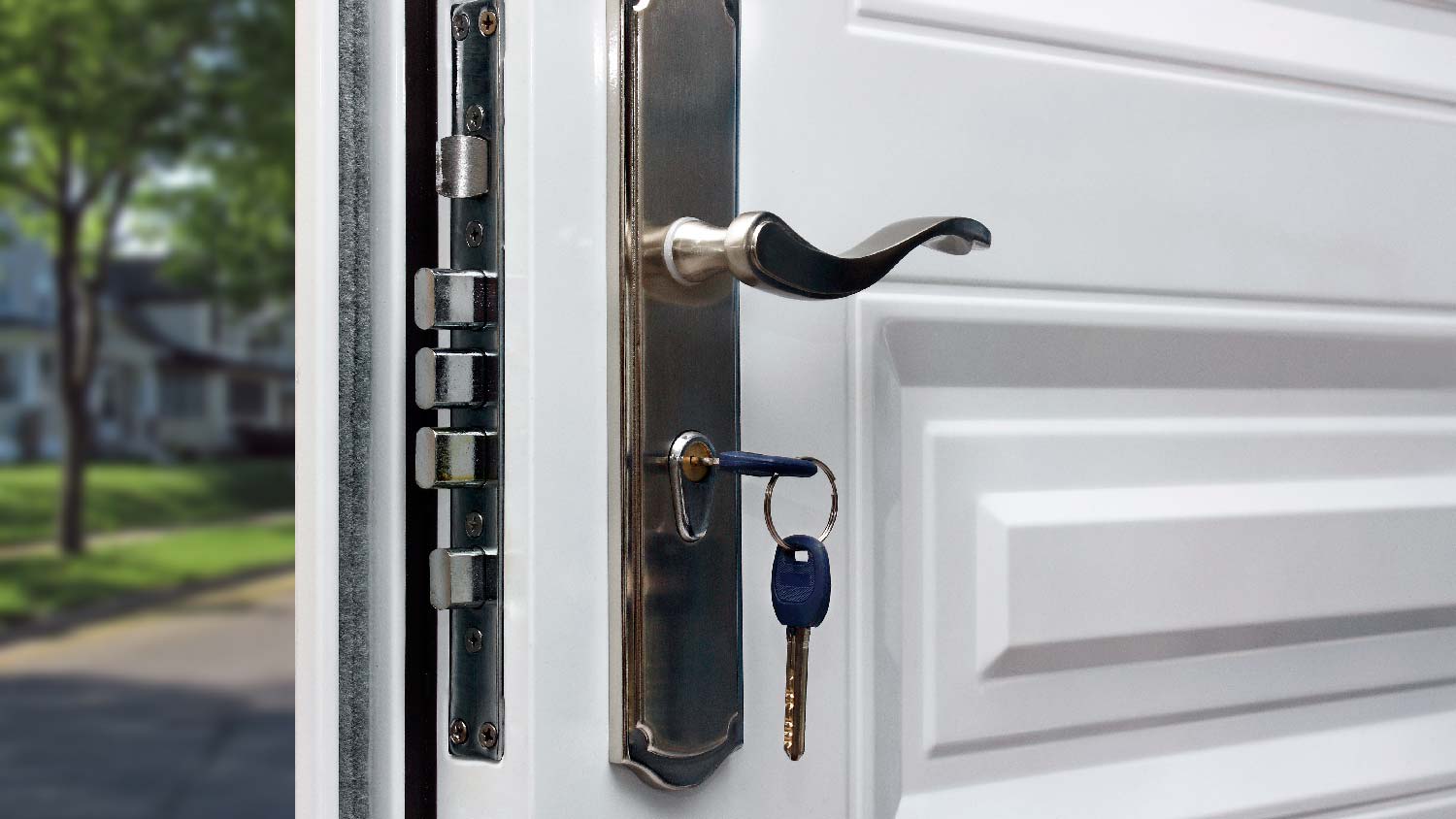
Yes, it’s possible a burglar can get through a deadbolt. Some types of deadbolts are harder for an intruder to get through, though. For example, a single-cylinder lock only requires breaking a window nearby and simply turning it. While other locks, such as a double-cylinder lock, may offer greater protection and make it harder for an intruder, no deadbolt is 100 percent effective.
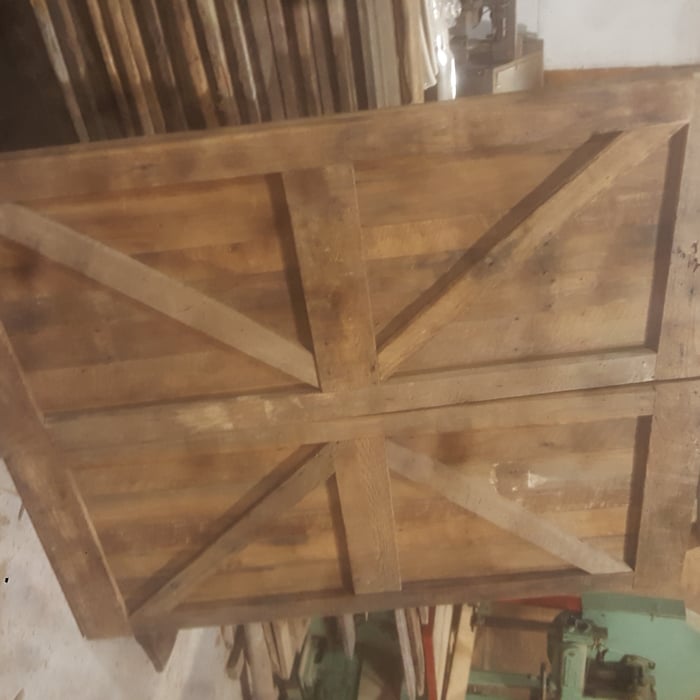
You can use a variety of wood to build a barn door, but the most common options include 1-by boards and 2-by boards for the backing and the decorative boards on the front of the door. Softwoods like pine will save you some money and should hold up well, while hardwoods like maple and oak will stand up to more wear and tear. You could also build the backer out of plywood to minimize the cuts you need to make. Whatever you decide on, make sure the width of the wood is compatible with the mounting brackets you buy.
The Beaver, WV homeowners’ guide to door services
From average costs to expert advice, get all the answers you need to get your job done.
Whether you’re installing a new door or replacing an existing one, the cost of door installation varies based on location, door type, framing needs, and other factors.
Are you looking to upgrade an old door in your home? Use this interior door installation cost guide to estimate the project's total cost and learn how to save.
There are many types of interior doors, from swinging to folding and sliding. This article breaks down each to help you find the right door for your needs.