





Top-rated painters.

Get matched with top painters in Bath, WV

Enter your zip and get matched with up to 5 pros

Need a pro for your painting project in Bath, WV?

Select your specific project to find the pro for you.

TRUSTED BY BATH, WV HOMEOWNERS

  • Average homeowner rating star icon4.6
    Average homeowner rating
  • Verified reviews icon86
    Verified painting services reviews

Find Painters in Bath

Avatar for B&M Painting Inc
B&M Painting Inc
4.6(
54
)
Interior Home or Surfaces - Paint or StainInterior Painting or Staining: 1 - 2 RoomsInterior Painting or Staining: 3 - 4 Rooms+5 more

Serving Bath, WV and surrounding areas

Approved

In business since 1990

Free estimates

Credit card accepted

"B & M Painting did some drywall repair, painting, and recaulking our crown molding. It did a great job and the crew were very professional, efficient, and friendly. Billy was very reasonable and pleasant to work with. Looking forward to hiring B&M Painting again. I highly recommend it."
Additional Photos
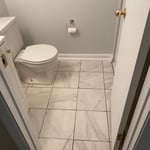
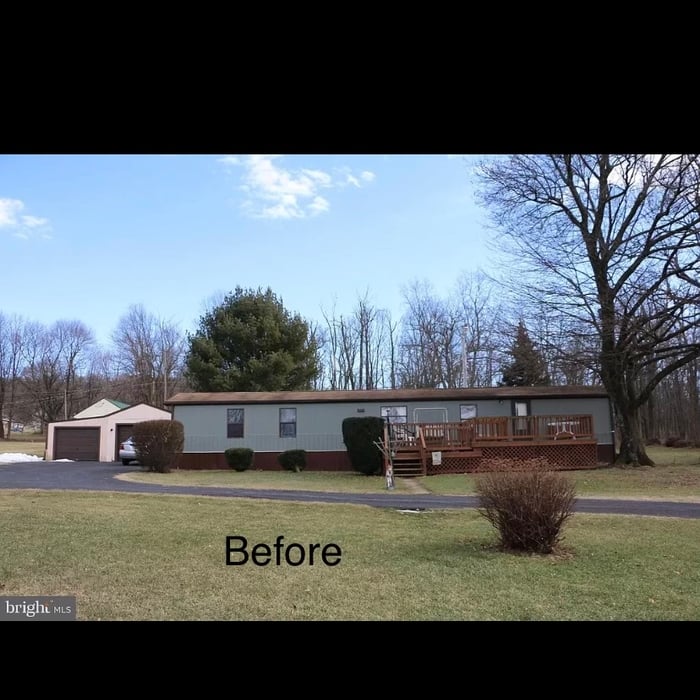
Before
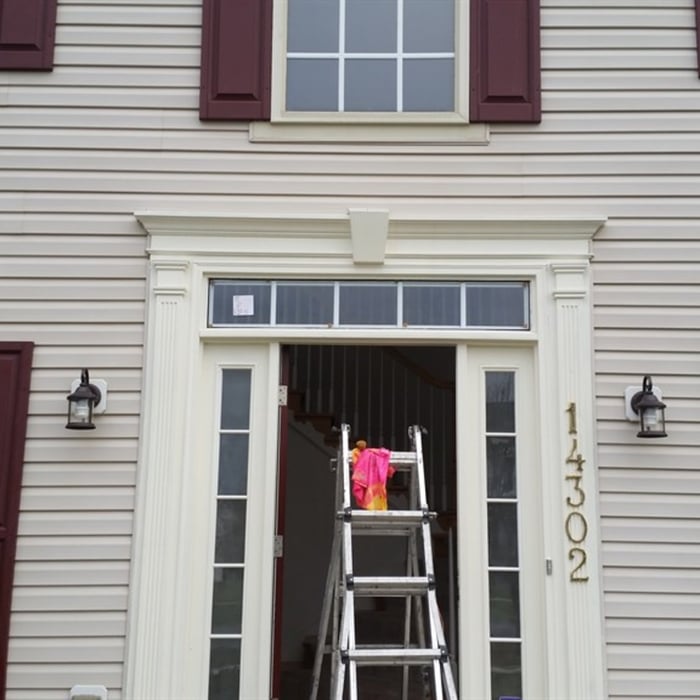
After
After 2
Additional Photos

+8

Recommended by97%of homeowners

...
Showing 1-10 of 128
Painting questions, answered by experts

If you have the time and the budget, we strongly recommend staining your fence, especially if it's looking a bit tired or hasn't been treated recently. While you may not see the same return on investment (ROI) as you would with a project like a kitchen remodel, staining a fence is one of the best ways to add a facelift to your property—a new fence stain adds serious curb appeal to your home. 

You can only change your neighbor's fence with their permission. A neighbor's fence is their property, and altering it without their consent could constitute trespassing or property damage, which may have legal consequences. If you have concerns or disagreements about your neighbor's fence, communicate with them openly and try to reach a mutually agreeable solution. If you believe the fence violates local zoning laws or property regulations, consult with local authorities or seek legal advice to address the issue through proper channels. 

Applying a sealer or topcoat after staining wood is highly recommended, though not always strictly required. A sealer protects the wood from moisture, UV rays, and weather-related issues, which is especially important for outdoor surfaces like decks and fences. It also enhances the stain's durability, prevents fading over time, and gives the wood a cleaner, more professional-looking finish. For some indoor applications, a sealer may not be necessary, depending on the type of stain used and the level of protection needed. It's always best to check the stain manufacturer's recommendations and consider the wood's intended use and exposure when deciding whether to apply a sealer.

Staining or sealing a cedar deck or fence is highly recommended to extend its lifespan and protect it from the elements. While cedar is naturally resistant to mold and mildew, it is not impervious to damage from moisture, sun exposure, splintering, fading, and rot over time. Applying a protective finish creates a shield that preserves the wood's strength and appearance, potentially extending its life by five to 10 years.

When choosing a finish, it's helpful to understand the difference between a sealer and a stain. A sealer sits on top of the wood, whereas a combination stain and sealer soaks into the top layer. Because it penetrates the wood, a stain generally offers better protection against UV damage and rot and lasts significantly longer. For the best results that also preserve the wood's natural color, consider using a near-translucent stain.

To maintain protection, plan on reapplying the stain or sealer every two to three years, either as a DIY project or by hiring a professional.

Wood stains last anywhere from two to five years, depending on exposure to the elements, your local climate, the type of stain, and the surface it’s on. For instance, vertical surfaces last longer than horizontal surfaces. Some types of woods, like dense hardwoods, will require a recoat yearly, as they are too dense for the stain to absorb. In any event, apply a recoat every 2 to 4 years. As for storage, a can of unopened stain can last up to 5 years, though results may vary.

The Bath, WV homeowners’ guide to painting services

From average costs to expert advice, get all the answers you need to get your job done.