





Top-rated bird control service pros.

Get matched with top bird control service pros in Whitelaw, WI

Enter your zip and get matched with up to 5 pros

Need a pro for your bird control service project in Whitelaw, WI?

Select your specific project to find the pro for you.

TRUSTED BY WHITELAW, WI HOMEOWNERS

  • Average homeowner rating star icon4.8
    Average homeowner rating
  • Verified reviews icon23
    Verified bird control services reviews

Find Bird control service pros in Whitelaw

Bird Control questions, answered by experts

Yes, predator decoys work to keep birds away, at least temporarily. However, if the decoy remains motionless in the same spot for a long enough time, the birds will eventually wise up and realize it's a fake. Keep changing the location of the predator decoy to ensure that the birds keep their guard up and maintain their distance.

Small amounts of geese are actually good for the environment. They help spread seeds and lead to more plant growth, but they’re often an invasive species, particularly Canadian geese. This means a small gaggle can quickly grow into a level that litters your lawn with bald patches and excrement.

The best time of year to remove bats is autumn until spring. In fact, many states have restrictions on bat removal, mandating it to start sometime in August and go up until May. For some states, the removal period stops in March. Your pest control pro should know of any restrictions and can help you pick an optimal time for removal.

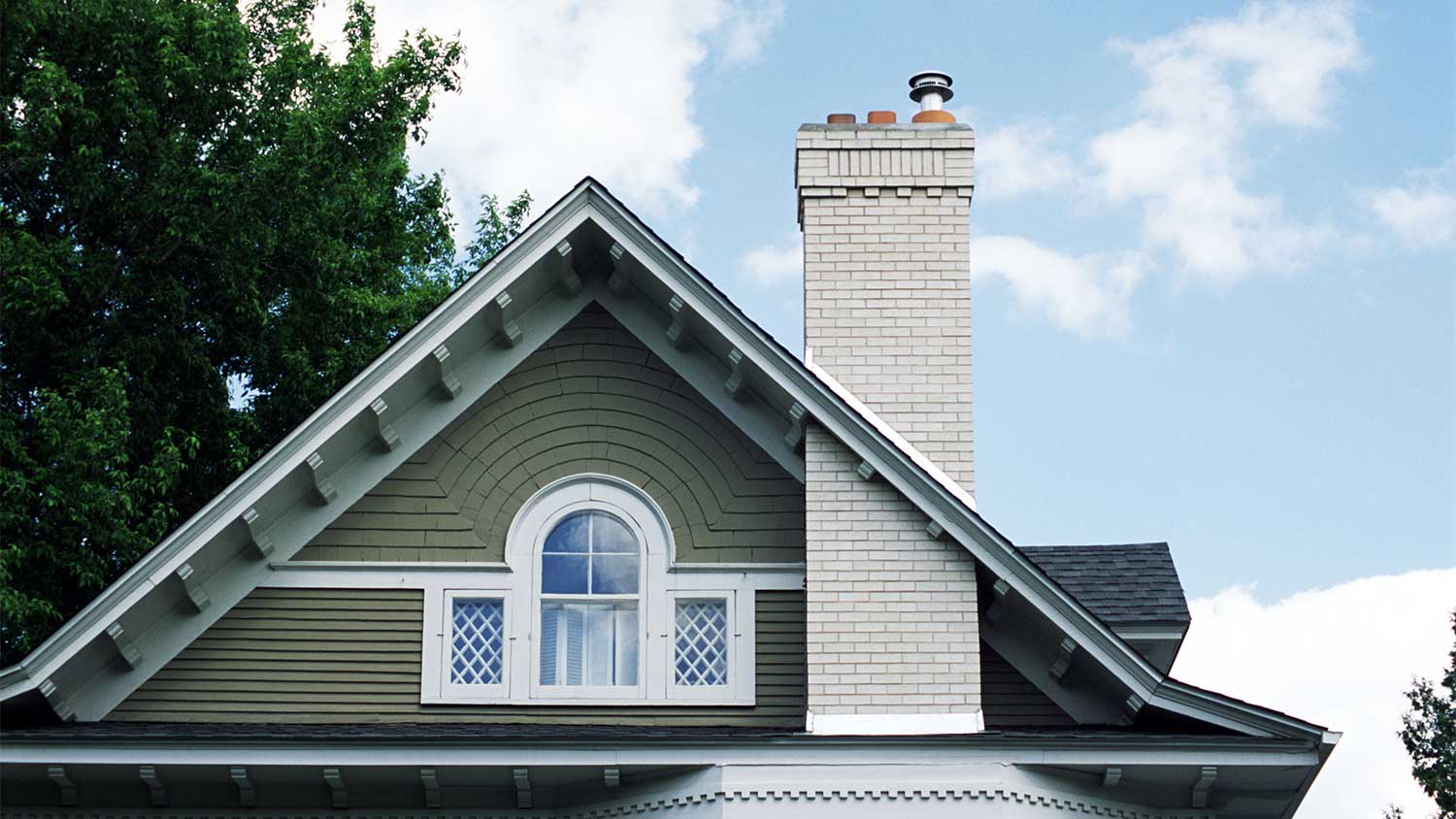
Some animals, such as bats or birds, will be able to get out of chimneys on their own since they can fly. Other animals, however, may have a harder time and will require the help of a professional to escape. Squirrels and raccoons in particular may become stuck inside a chimney, especially if you have a buildup of soot or creosote inside. This can prevent them from being able to climb out, in which case you’ll need to call an animal control expert to help remove them.

When woodpeckers start banging on your walls or roof, they are probably looking for insects to eat, storing nuts for winter, drilling a hole to make a nest, or communicating with other birds to establish territory or find a mate.

The size of the hole can help determine the reason for the pecking. Small irregular holes are a result of insect hunts. Acorn holes are more consistently sized and often fitted with a nut in the middle. Nest holes are large and have rounded edges. If the bird is pecking to mark its territory or attract a mate, it may leave dents rather than holes, and the noise will stop when the mating season starts in spring.

The Whitelaw, WI homeowners’ guide to bird control services

From average costs to expert advice, get all the answers you need to get your job done.