



Top-rated bird control service pros.

Get matched with top bird control service pros in Combined Locks, WI

Enter your zip and get matched with up to 5 pros

Need a pro for your bird control service project in Combined Locks, WI?

Select your specific project to find the pro for you.

TRUSTED BY COMBINED LOCKS, WI HOMEOWNERS

  • Average homeowner rating star icon4.8
    Average homeowner rating
  • Verified reviews icon181
    Verified bird control services reviews

Find Bird control service pros in Combined Locks

Avatar for Bauer Wildlife and Pest Solutions, LLC
Bauer Wildlife and Pest Solutions, LLC
4.6(
22
)
Pest Control - Birds and Bats

Serving Combined Locks, WI and surrounding areas

In business since 2010

Emergency services offered

Warranties offered

"Bauer went above and beyond. Removed the birds and nests cleanly. Repaired the damage and installed venting caps to prevent the same issue from happening again! Very quick. Very professional."
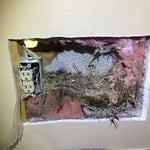
Starling nest
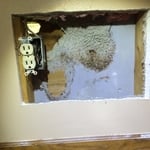
Starling nest removed
Response time5 hrs
Response rate94%
Recommended by87%of homeowners
Bird Control questions, answered by experts

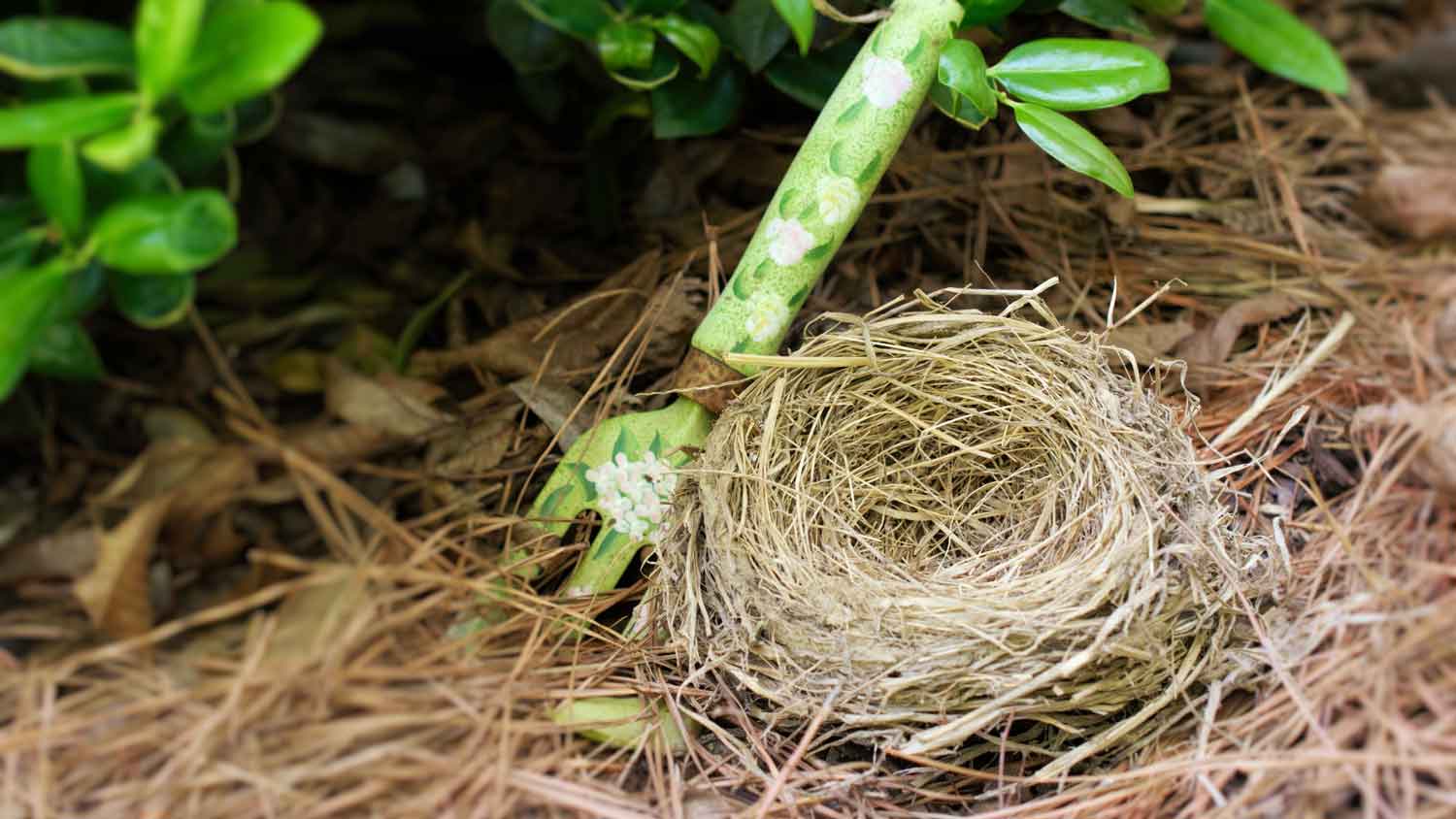
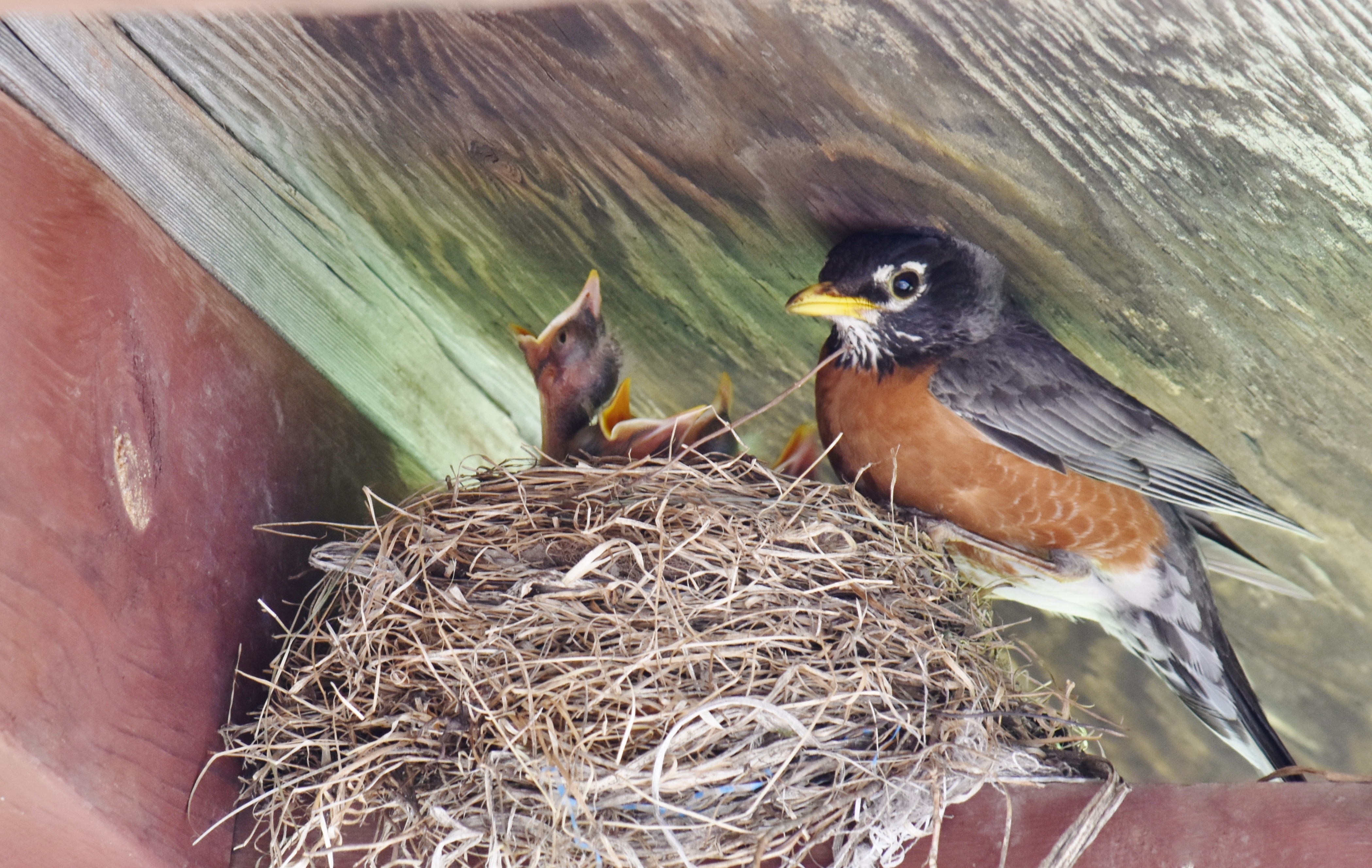
In most cases, a mother bird will return to a disturbed nest after the disturbance has passed. However, it can be hard for a mother bird to find a relocated nest. So, while it’s false that a mother bird will abandon her nest if it’s been disturbed, it’s not a good idea to relocate a nest with live babies or eggs in it.

Identifying the specific animal running on your roof at night can be challenging without direct observation. Common nocturnal roof visitors include raccoons, squirrels, opossums, and rats. Raccoons are bigger and can create heavy thumping sounds. Squirrels are agile and may produce rapid scurrying noises. Opossums tend to move stealthily with less noise. Rats can make scratching or gnawing sounds. To determine the culprit, look for signs like footprints, droppings, or damaged areas near the roof. For accurate identification, consult a pest control professional or set up wildlife cameras near potential entry points.

No single deterrent will work 100 percent of the time, so we suggest combining deterrents to ensure your seed has the best possible chance to grow. Using bird netting over your seed, with physical deterrents like mylar tape coupled with hanging bird feeders at the edges of your growing area—and removing any bird’s nests, if possible—will give your seeds the best possible chance for success.

Birds are often averse to certain strong scents. For instance, the odor of predator urine, such as that from foxes or hawks, can deter them. Similarly, birds may dislike the pungent aromas of garlic, onions, and chili peppers. Essential oils like peppermint, eucalyptus, and citrus can also be effective in keeping birds away. However, it's important to note that individual bird species might react differently to these scents, so it might require some experimentation to find the most effective repellent for your specific situation.

You can take multiple approaches to keep animals out of your edible landscape. You can use natural repellents such as mint and cayenne pepper to deter them from your garden. You can also build a fence (or opt for a privet hedge) or keep the most enticing plants in a sectioned-off area. The most efficient method of keeping your four-legged guests at bay is to determine what animal it is and create a customized plan for them. 

The Combined Locks, WI homeowners’ guide to bird control services

From average costs to expert advice, get all the answers you need to get your job done.