




Top-rated bird control service pros.

Best bird control service pros near Cleveland, WI

Enter your zip and get matched with up to 5 pros

Need a pro for your bird control service project in Cleveland, WI?

Select your specific project to find the pro for you.

TRUSTED BY CLEVELAND, WI HOMEOWNERS

  • Average homeowner rating star icon4.7
    Average homeowner rating
  • Verified reviews icon31
    Verified bird control services reviews

Top-Rated Bird control service pros in Cleveland - Updated Nov 2026

Bird Control FAQs, answered by experts

Yes, predator decoys work to keep birds away, at least temporarily. However, if the decoy remains motionless in the same spot for a long enough time, the birds will eventually wise up and realize it's a fake. Keep changing the location of the predator decoy to ensure that the birds keep their guard up and maintain their distance.

It can be difficult to know what type of animal is in your attic until you see it. But several clues can help you narrow down the suspects:

  • Sounds: Smaller animals like rats and mice make scurrying and tapping/gnawing sounds. Larger animals like raccoons and opossums make louder clambering noises. Also, note when animals are noisy: Squirrels are active during the day, while rats are busiest at night.

  • Droppings: Rats and mice leave small, rice-shaped droppings (the rat’s version is significantly larger). Bigger droppings belong to larger critters like raccoons. As long as you’re not squeamish, an image search can help you identify what you’re seeing in your attic.

When in doubt, take photos of damage or other evidence and show them to an experienced pest control pro.

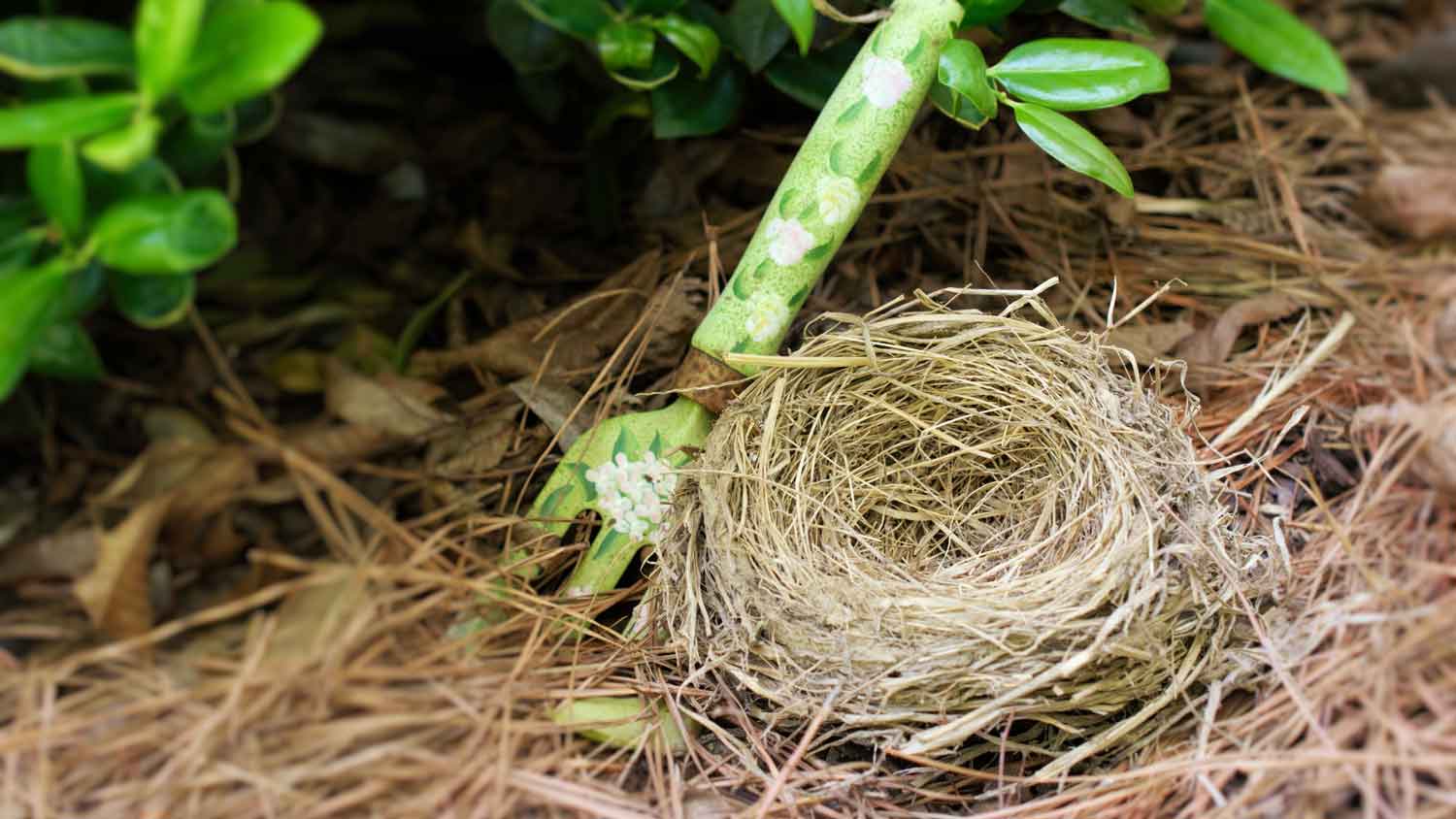
The lifespan of a bird's nest depends on the species. The building process can take from two days to three weeks. Once built, the nesting period for baby birds can last from two to ten weeks before they leave the nest. While most young birds are ready in two to six weeks, some predatory species may need up to two and a half months. Some species nest four to five times per year, so a nest could remain in use for several months. For specific information about a particular nest's longevity, it is best to consult a wildlife professional.

Regular cleaning, proper food storage, sealing entry points, and professional inspections help prevent infestations.

An owl's worst enemy in the wild is often other raptors and environmental factors. Among the avian threats, larger owls or other birds of prey can pose a danger, engaging in territorial disputes or competing for food resources. Terrestrial predators like foxes, raccoons, and larger mammals may target owl nests or young fledglings. Environmental factors like severe weather conditions, habitat loss, and food availability changes can also significantly impact owl populations.

The Cleveland, WI homeowners’ guide to bird control services

From average costs to expert advice, get all the answers you need to get your job done.