



Top-rated water softener pros.

Get matched with top water softener pros in Warrens, WI

Enter your zip and get matched with up to 5 pros

Need a pro for your water softener service project in Warrens, WI?

Select your specific project to find the pro for you.

Find Water softener pros in Warrens

Avatar for American Home Shield – Home Warranty
American Home Shield – Home Warranty
3.5(
5,689
)
Well Pump - Repair or Service

Serving Warrens, WI and surrounding areas

In business since 1971

Credit card accepted

"The yearly service works out to be $50 a month. We've had two water heaters replaced through them because of a fault in them. They're usually very responsive. I like that I can request the service online. The only thing is, I wish that there was a better avenue for emergency services. If something doesn't work right away usually it takes a couple of days to get someone out and sometimes you can't wait two days without water."
Additional Photos
Additional Photos
Additional Photos
Additional Photos
Additional Photos

+2

Recommended by65%of homeowners
Water Softeners questions, answered by experts

The main difference between a water softener and a water filter is what they remove from the water. A water softener is specifically designed to remove hard minerals, while a filter removes a wider range of contaminants above a certain size, such as bacteria and other impurities. If your primary goal is to remove minerals, a softener is the best choice. If you want to remove various contaminants for safety or taste, a filter is more suitable. Filters are also typically less expensive to install. Depending on your water supply's specific issues, you may need to install both systems for comprehensive treatment.

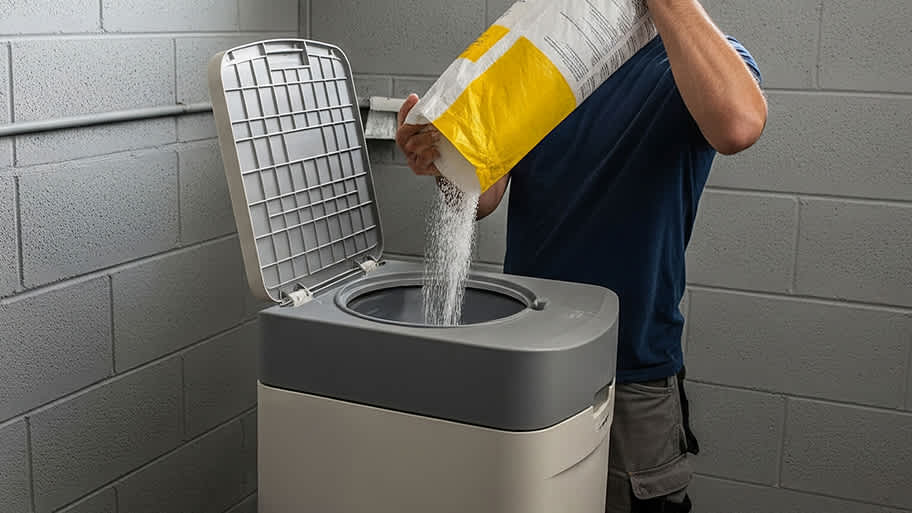
You can install a water softener system by turning off the water supply, draining the water, and then connecting your device to the waterline. Next, you’ll fill your tank with the recommended amount of salt or brine (whichever your unit calls for; be sure to read the instructions). Turn the water supply on and check for leaks. You can opt to let your water run for a few minutes, then test it using strips. 

The process of inspecting your water softener system is similar.

Water softeners have many benefits. The most important one is converting previously hard water—water with too many minerals—to more usable, easier water. When we say easier water, we mean water that’s easier to digest, less harsh on skin and clothes, and builds up less in the water system. Softer water may lead to lower energy costs and will extend the lifespan of all appliances that use water.

If your water softener repair is fairly straightforward, like a simple filter replacement, then you can probably do it yourself with little risk. However, anything beyond a simple fix should be addressed by someone with extensive plumbing expertise to avoid costly water softener problems, like leaks. 

That said, even simple problems can be complicated to diagnose, particularly if your water softener is attached to a whole-house treatment system. So, unless you feel absolutely certain that the problem is an easy fix that you can take on yourself, it's probably best to hire a plumber to diagnose and fix the problem.

It depends on the type of surface. For instance, if you’re trying to get rid of hard water deposits on glass, you can spray vinegar onto the surface and wipe it off with a soft cloth or non-abrasive sponge. However, if the deposits are on granite or natural stone, it’s better to use baking soda and water rather than vinegar or other acidic cleaners.

The Warrens, WI homeowners’ guide to water softener services

From average costs to expert advice, get all the answers you need to get your job done.