



Top-rated drywall insulation pros.

Get matched with top drywall insulation pros in Sullivan, WI

Enter your zip and get matched with up to 5 pros

Need a pro for your drywall insulation project in Sullivan, WI?

Select your specific project to find the pro for you.

TRUSTED BY SULLIVAN, WI HOMEOWNERS

  • Average homeowner rating star icon4.3
    Average homeowner rating
  • Verified reviews icon128
    Verified drywall insulation services reviews

Find Drywall insulation pros in Sullivan

Avatar for Elite Insulators
Elite Insulators
4.8(
21
)
Injection Insulation - Install

Serving Sullivan, WI and surrounding areas

Approved

In business since 2016

Free estimates

Warranties offered

"Owner Kyle Driessen and his team were prompt, courteous, and highly knowledgeable. They provided a thorough assessment of my home’s insulation needs and offered clear, honest recommendations without any pressure. Their expertise in spray foam insulation was particularly impressive, ensuring that every nook and cranny was properly sealed."
Cathedral Ceilings
Ceiling/Wall
Walls
Amish Ice Box
Amish Ice Box

+56

Response time2 days
Recommended by57%of homeowners
Avatar for Larson Home Services
Larson Home Services
5.0(
4
)
Blown-In Insulation - Install or Upgrade

Serving Sullivan, WI and surrounding areas

Approved

In business since 2020

Free estimates

Credit card accepted

"Salesman was very professional. Showed up in a vehicle worth the name on the side and in a uniform. Made a video of the bad area of our gutters and explained in detail what problems this would cause and had a very good presentation about the company and product."
Response time2 hrs
9 neighbors recently requested a quote
Recommended by75%of homeowners
RetroFoam of Wisconsin Inc.
New to Angi
Blown-In Insulation - Install or UpgradeInjection Insulation - Install

Serving Sullivan, WI and surrounding areas

Approved (Corporate)

Free estimates

Credit card accepted

Offers commercial services

RetroFoam of Wisconsin specializes in RetroFoam injection foam insulation for existing walls, helping homeowners improve comfort and energy efficiency without the mess or disruption of a full remodel. Our insulation solution is designed to reduce drafts, help maintain consistent indoor temperatures, and make homes more comfortable year-round. We serve homeowners across the state. Whether you live in a historic home or a newer build, our team provides a proven insulation solution tailored to your needs.

20 neighbors recently requested a quote
Showing 1-10 of 27
Drywall Insulation questions, answered by experts

Plastering and skimming are two different techniques for finishing walls. Plastering involves applying a thick layer of a plaster mixture—typically containing gypsum, lime, cement, sand, and water—to create a new surface. This process often requires multiple coats and is used for repairing significant damage or creating decorative textures. Skimming, on the other hand, is a technique that involves applying a thin layer of drywall compound or joint compound over an existing surface to smooth it out, covering minor imperfections, small cracks, or uneven textures for a polished look. Plastering is generally more costly and labor-intensive than skimming. Although some people use the terms interchangeably, they refer to different processes and materials.

Plaster is denser, harder, and more porous than drywall, so it absorbs moisture differently. This means you’ll often need more prep work, such as thorough sanding, patching, and priming with a high-quality bonding primer. Additionally, you may need more coats of paint to achieve even coverage. While the process takes more time, it helps ensure a durable and professional-looking result.

If your premixed drywall mud is dried out or has begun to set in the bucket, you may be able to revive it by adding warm water and stirring. However, the first and most important step is to scrape off any hard, dried bits of drywall that may have accumulated toward the top of the container and throw them away because they will not easily reconstitute back into the drywall mud mix.

All plaster walls will crack over time due to normal house settling and expansion and contraction from temperature and moisture changes. Small, thin hairline cracks are generally not serious and are mostly a cosmetic issue. However, larger or more significant cracks can indicate structural problems.

Here's how to tell the difference:

  • Cosmetic Cracks: Cracks that are 0.5 cm (0.2 inches) or thinner are typically cosmetic.

  • Structural Cracks: Cracks wider than 0.5 cm, excessive or deep cracks, multiple cracks in the same area, or cracks that span around corners can signify a structural or foundation issue. Cracks along the joints where walls meet the ceiling also warrant attention.

For cracks wider than 0.5 cm, structural repair is needed. If a crack is 2.5 cm (1 inch) or wider, or if you notice any signs of a structural problem, it is best to contact a plaster repair professional to assess the damage.

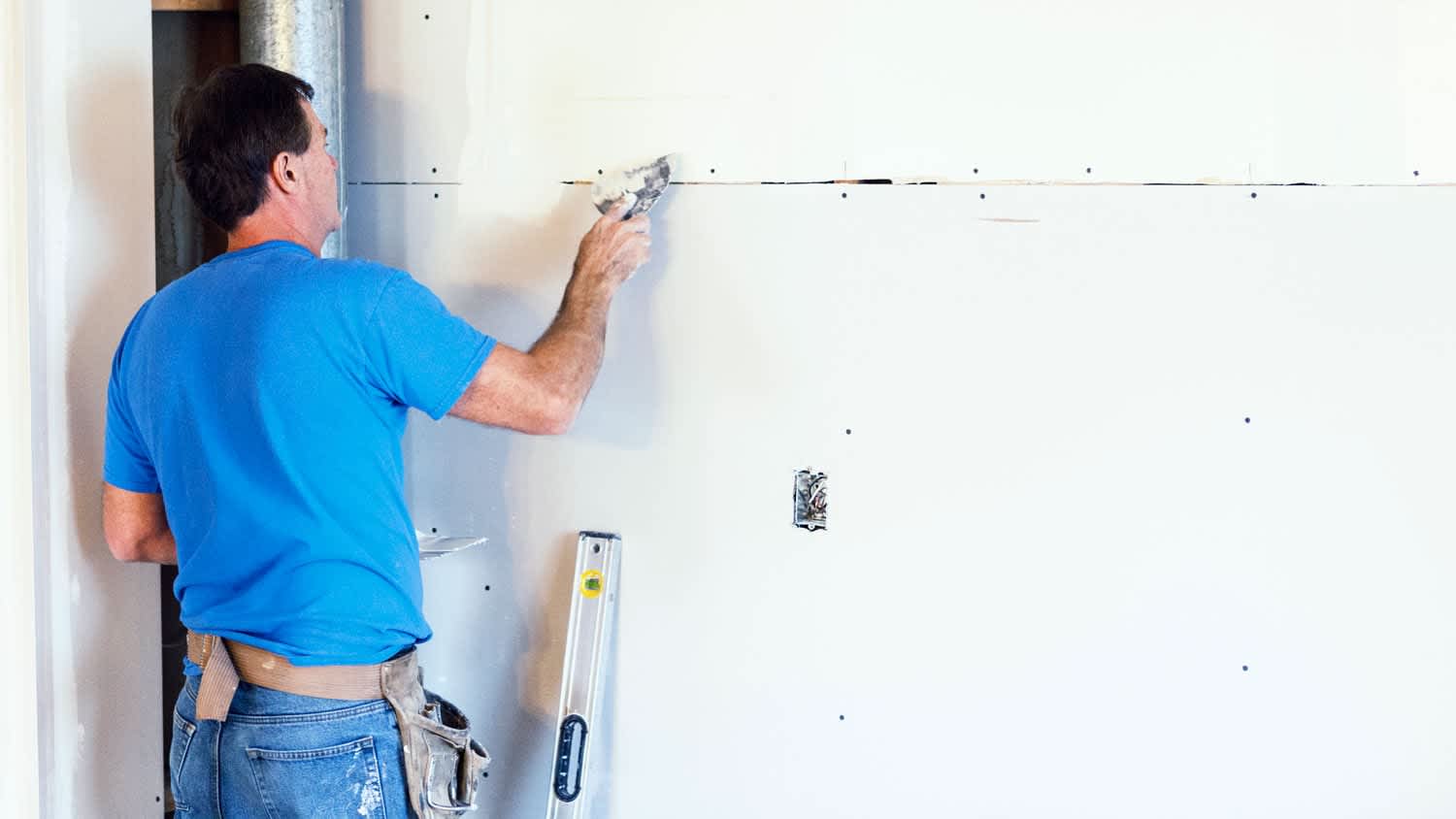
To hide drywall edges, you need to properly apply drywall tape and multiple layers of joint compound. These materials hide the seams between drywall sheets and fill the holes from drywall screws, leaving behind a smooth, flat finish to paint over. Apply joint compound smoothly, and finish the job by sanding the walls to make sure you fully hide drywall edges and other imperfections.

The Sullivan, WI homeowners’ guide to drywall insulation services

From average costs to expert advice, get all the answers you need to get your job done.