




Top-rated sewer cleaners.

Get matched with top sewer cleaners in Spooner, WI

Enter your zip and get matched with up to 5 pros

Need a pro for your sewer cleaning project in Spooner, WI?

Select your specific project to find the pro for you.

Find Sewer cleaners in Spooner

Avatar for Custom Craft Environmental
Custom Craft Environmental
4.6(
117
)
Sewer Main - ClearSewer Main - Clear - For Business

Serving Spooner, WI and surrounding areas

In business since 1991

Emergency services offered

Credit card accepted

"They seemed to do a good job. They were good at cleaning up after themselves. They spent time explaining what they were doing and why they were doing it. They were able to come at a timely manner when we requested the work to be done. They were attentive to details."

Additional Photos
Additional Photos
Additional Photos
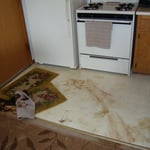
Before
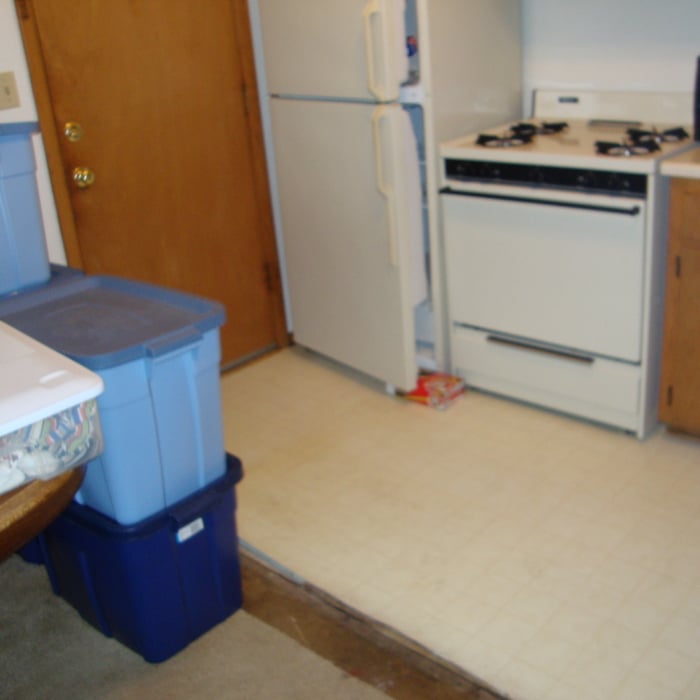
After

+1

Recommended by94%of homeowners

Sewer Cleaning questions, answered by experts

To prevent drain clogs, perform regular maintenance and cleaning. Avoid disposing of substances like grease or coffee grounds down the sink. Additionally, installing and routinely using drain strainers can help catch debris and prevent blockages from forming.

The cost to unclog a drain varies based on the location and severity of the clog. For simple clogs within your home, such as in a sink, toilet, or shower, hiring a plumber typically costs between $110 and $350, with an average of around $200. Snaking a toilet or sink usually costs between $110 and $275, while a bathtub or shower clog costs about $225.

For a more serious clog in the main sewer line, the cost is higher. Clearing a main line clog generally costs between $200 and $600, with an average of about $380. However, prices can range from as low as $100 for snaking a minor clog to over $1,600, particularly if advanced methods like video inspection and hydrojetting are needed for a large or hard-to-reach blockage. Some severe main line clogs can cost upwards of $1,000 to clear depending on factors like the cause of the clog, its distance from an accessible cleanout, and whether the pipe is located beneath an occupied space (e.g., in an apartment building). You may be able to save money on minor clogs by using a drain snake or bladder yourself.

Never pour used motor oil down the drain. Doing so can have serious environmental consequences, including contaminating groundwater, endangering animals, and killing vegetation. It can also clog your pipes, causing backups in your plumbing or the wastewater treatment plant. In most places, pouring motor oil down the drain is illegal, whether you do it in your home or a storm drain.

Your sewer line can get grimy quickly. To prevent sludge buildup in your sewer line, pour a mixture of 1/3 cup of vinegar and 1/3 cup of baking soda down each drain in your home once a month. After about 30 minutes, flush the drain with hot water.

Some plumbers recommend 3/4 cup of bleach instead to clean any germs and bacteria that may build up in your sewer line. But this won’t break down any active clogs, and it cannot be combined with vinegar, as the mixture will create a toxic, hazardous gas.

There is conflicting advice on whether to leave a baking soda and vinegar mixture in a drain overnight. Some sources suggest it can be effective for tough clogs, recommending that you flush the drain with warm water in the morning as part of a monthly cleaning routine. However, other experts advise against leaving the mixture in for extended periods, as its caustic nature could corrode drainpipes if used too often or left in for too long.

The Spooner, WI homeowners’ guide to sewer cleaning services

From average costs to expert advice, get all the answers you need to get your job done.