



Top-rated drywall pros.

Get matched with top drywall pros in River Hills, WI

Enter your zip and get matched with up to 5 pros

Need a pro for your drywall service project in River Hills, WI?

Select your specific project to find the pro for you.

TRUSTED BY RIVER HILLS, WI HOMEOWNERS

  • Average homeowner rating star icon4.7
    Average homeowner rating
  • Verified reviews icon451
    Verified drywall services reviews

Find Drywall pros in River Hills

Avatar for Jerv's Service
Jerv's Service
5.0(
20
)
Drywall - Repair

Serving River Hills, WI and surrounding areas

Approved

In business since 2025

Free estimates

Small jobs welcome

"Drew was professional and courteous from start to finish. I had a few things I wanted done and he was very upfront about price and his availability to do them. He replaced some door locks and installed a door sweep. I recommend him and will keep him in mind for future work."
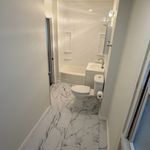
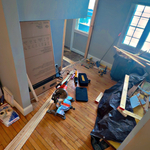
Before photo
AFTER
AFTER
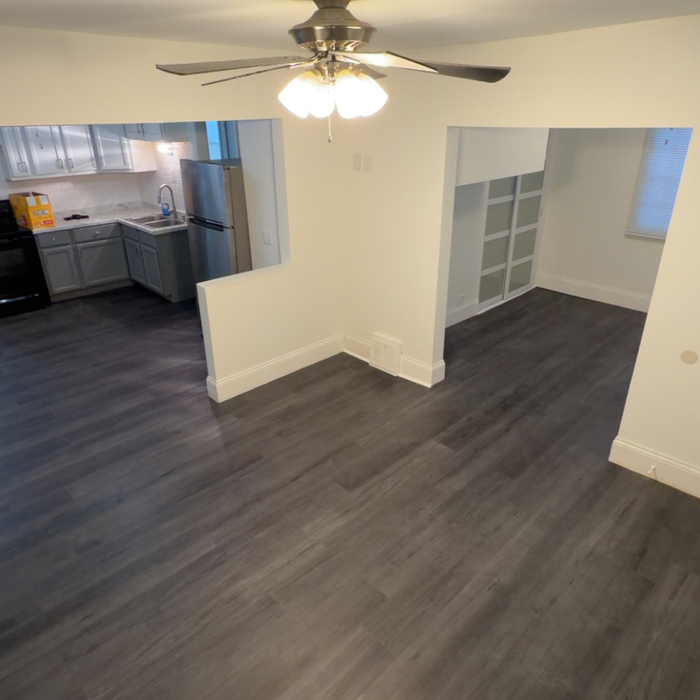
Flooring install
Flooring install

+21

8 neighbors recently requested a quote
...
Showing 1-10 of 341
Drywall questions, answered by experts

Although they have similar applications, spackle and joint compound are not the same. Their primary differences lie in their composition, consistency, and ideal use cases.

Spackle is composed of gypsum and binding agents, making it thicker than joint compound. It dries quickly and is easy to sand, which makes it ideal for small wall repair projects like filling nail holes or patching minor damage.

Joint compound, also known as drywall mud, consists of limestone and gypsum. It is primarily used for large-scale projects, such as taping and finishing the seams on newly installed drywall. It tends to shrink more than spackle and can be more difficult to spread.

While both products can be used to fill small depressions and cracks, spackle cannot replace joint compound for taping and mudding new drywall. Conversely, you can often use joint compound for small patching jobs typically done with spackle.

Depending on the place where the cutting error occurred, you may be able to fix it. Learning how to patch a hole in drywall is challenging, but if you can tape and mud drywall, you can do it. Having said that, patching is time consuming. Early in the installation process, you may find that it’s easier and far less time consuming to just start over with a new sheet of drywall, cutting a new hole in the right spot. You may be able to use part of the incorrectly cut piece elsewhere, so it’s not completely wasted.

There are several benefits to wet-sanding drywall, but the main perk is that it produces far less dust than dry-sanding. As a result, wet-sanding poses fewer health risks and makes less of a mess in your home. Plus, damp sponges are less abrasive than sandpaper, so there’s a smaller chance of scratching or damaging the drywall paper. Wet-sanding also creates a smoother finish than dry-sanding.

Yes, wainscoting is installed directly over drywall. However, ensure the drywall is in good shape since it will support the wainscoting. If the drywall has issues, such as holes, mold, or mildew, repair them before installing the wainscoting. Alternatively, you can install a plywood substrate before attaching the trim.

Pros ensure smooth finishes and lasting repairs, avoiding visible patches.

The River Hills, WI homeowners’ guide to drywall services

From average costs to expert advice, get all the answers you need to get your job done.