







Top-rated structural engineers.

Get matched with top structural engineers in Richland Center, WI

Enter your zip and get matched with up to 5 pros

Need a pro for your structural engineering project in Richland Center, WI?

Select your specific project to find the pro for you.

Find Structural engineers in Richland Center

Structural Engineering questions, answered by experts

Any issue that affects the structural integrity or soundness of a home is considered a structural issue. In addition to foundation cracks, other signs of structural issues include roof leaks, bowing walls, sloping floors, gaps around windows and doors, and more.

Water can seep into porous materials like wood beams, floor joists, and roof rafters within minutes, but they’ll need to see prolonged exposure before you have structural damage. Mold can start growing within 24 hours, and mold can eat away at the structural components over time. Wood rot is more of a concern, though. Wet and dry rot are fungal infections that set in in moist conditions and rapidly deteriorate wood, causing major structural damage within just a few months in some cases.

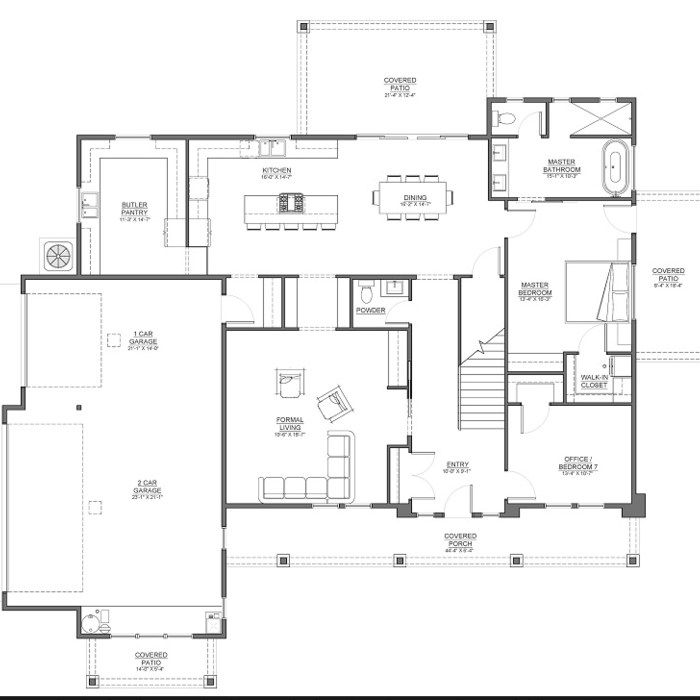
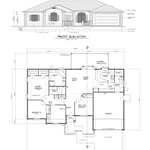
Structural engineers draw structural plans, which include detailed drawings of the structural components of a home only. Complete house plans will require additional work from an architect or draftsperson, whose drawings will take the structural drawings into account. They’ll also include more details about the finishing materials and layout of a home, including everything from roofing and flooring materials to the position of furniture, light fixtures, switches, and plumbing fixtures.

A freestanding brick wall that's only one brick thick can usually stand six to eight feet high. If you need a higher wall, it should be at least two bricks thick for adequate stability, and it might require a footing to support the added weight. Additionally, some areas have regulations and codes dictating how high a brick wall can be, so check with local code enforcers to ensure your proposed wall complies with any regulations.

All foundations have footers, including monolithic slabs. In some cases, the foundation itself acts as the footer, as in the case of a floating slab and a monolithic slab. With a monolithic slab, the footers—which are just the bottom-most portion of the foundation that distributes loads down to stable soil—are a part of the main slab and are constructed with a single pour.

The Richland Center, WI homeowners’ guide to structural engineering services

From average costs to expert advice, get all the answers you need to get your job done.

What do you need done? We’ll find top pros.
  • 🌱 "Mow a small front yard"
  • 🛠 "Fix a leaking pipe under the sink"
  • 🏠 "Repair shingles on an asphalt roof"