





"Zack contacted me within minutes of submitting my request. I hired him to snowplow my large, circular driveway (250+ feet from road to garage). We just had our first significant snow. He showed up early the next morning, and did such an excellent job! Far exceeded my expectations. Would recommend him without hesitation. Also, really nice guy!"
"Reynel needed to use my property to access his job on my neighbors home. He was creating a massive retaining wall of boulders to repair a collapsing railroad tie wall. My yard became a Basecamp for his project. In the end, he did as promised and leveled my yard to its original slope, cleaned all debris, branches etc, and seeded the yard. He is kind and a man of his word. The wall is beautiful."
"Harley Jay created a beautiful metal cross for a memorial garden for my husband and I. We told her what we wanted inscribed on it and she took care of the rest of the design. The cross is beautiful and sturdy. I was so grateful for her artwork and skill!"
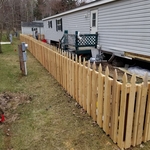
Yes, installing a picket fence is a manageable DIY project for homeowners with basic tools and some patience. The process involves marking the fence line, digging post holes, setting the posts, and attaching horizontal rails and pickets. However, precision is key to ensure the fence is straight and sturdy, which can be challenging for beginners. If the fence line is long, the ground is uneven, or you’re working with more complex materials like metal or composite, hiring a pro may be a better option.
In terms of materials, chicken wire mesh will be the most inexpensive option to use when building your fence. The downside is that it’s not the most attractive garden fence option. In a similar vein, you could choose a DIY fence made out of repurposed items, like car tires, or wooden pallets, either of which would be free to collect.
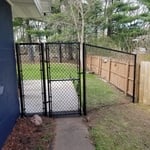
A gate shouldn’t be higher or lower than the fence it's attached to. If the gate is lower than the fence, it encourages strangers to peek at your property. If the gate is higher than the fence, it just looks weird. Gates allow for increased security and aesthetics, so ensure the gate rests at the same height as the fence.
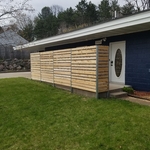
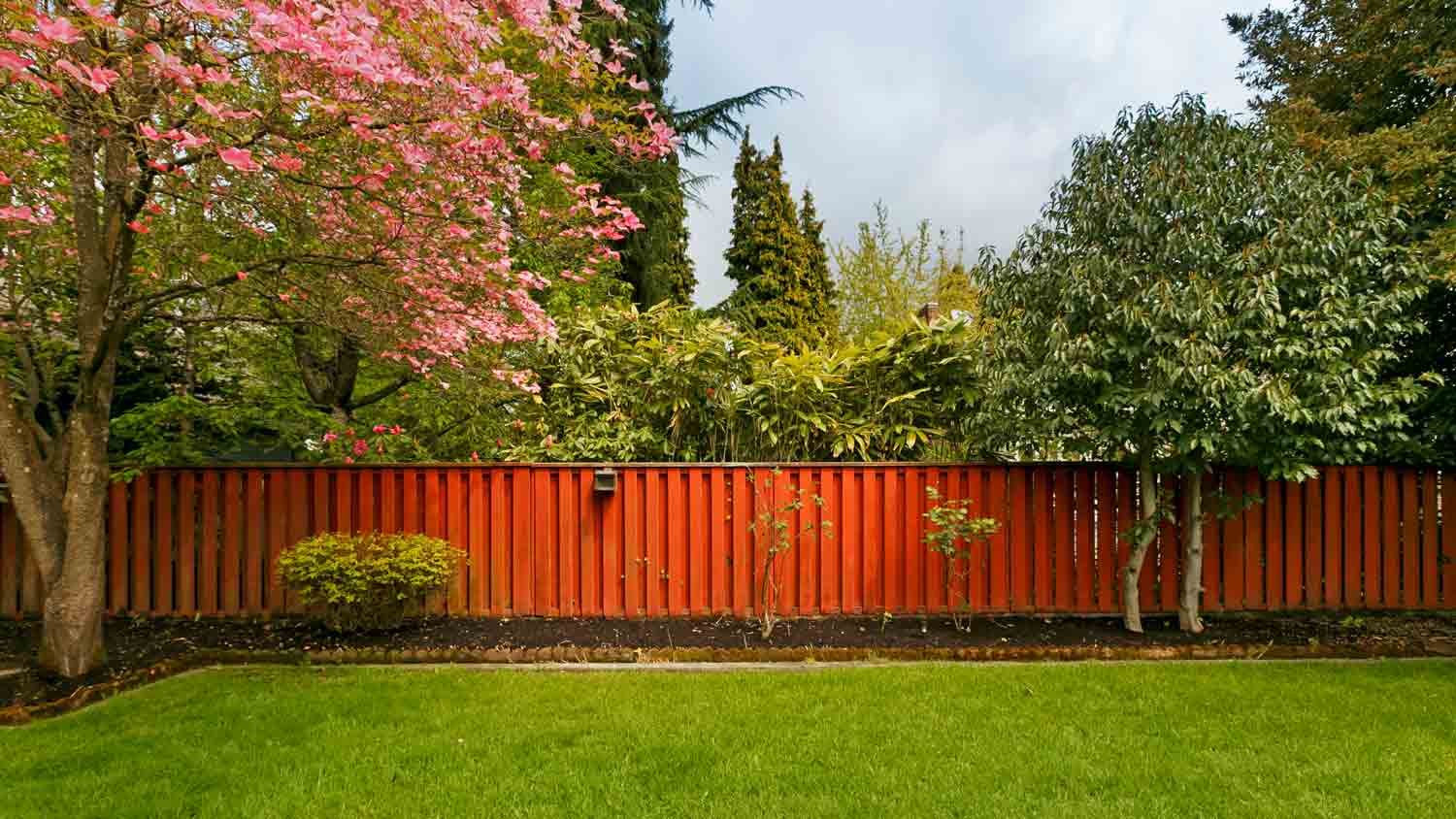
Standard post spacing for shadowbox fences is 6 to 8 feet. This spacing ensures proper support for the heavy weight of overlapping pickets and prevents sagging between posts. However, areas with high winds, slopes, or unstable soil conditions may require closer spacing.
The ideal distance between fence posts depends on several factors, including the terrain, the purpose of the fence, and the material used. For different types of fences, here are some general guidelines:
Wood and Metal Fences: Posts should be spaced between 5 and 8 feet apart.
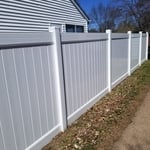
Vinyl Fences: Spacing can be between 6 and 8 feet.
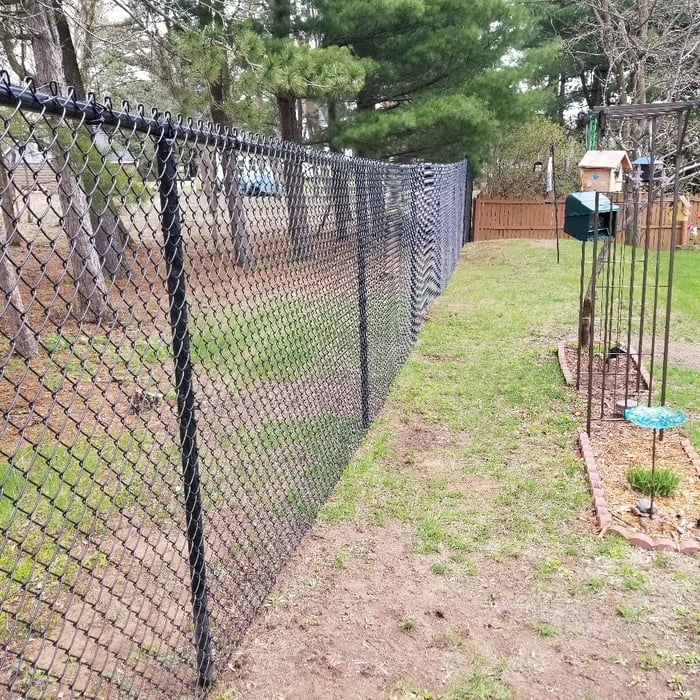
Chain-Link, Mesh, or Lattice Fences: Posts can be set anywhere from 4 to 25 feet apart, with 4-10 feet being common for chain-link.
Wire Fences: Spacing can be up to 12 feet apart.
The Prairie Farm, WI homeowners’ guide to fencing services
From average costs to expert advice, get all the answers you need to get your job done.
Chain-link fences are among the most affordable options available. Use this chain link fence cost guide to see what your installation will cost in Washington, DC.
How much a privacy fence costs depends on several factors, including the size of the fence and the material used. Our cost guide breaks down these and other factors.