




Top-rated bird control service pros.

Get matched with top bird control service pros in Portage, WI

Enter your zip and get matched with up to 5 pros

Need a pro for your bird control service project in Portage, WI?

Select your specific project to find the pro for you.

TRUSTED BY PORTAGE, WI HOMEOWNERS

  • Average homeowner rating star icon4.9
    Average homeowner rating
  • Verified reviews icon18
    Verified bird control services reviews

Find Bird control service pros in Portage

Bird Control questions, answered by experts

Studies indicate that owls don't possess a conventional sense of fear. However, they find intense, sudden human noise unsettling, like clapping or shouting. Additionally, owls are likely spooked by sudden bursts of bright light. While they may not experience fear as humans do, these disturbances can disrupt their natural behaviors, making it essential to minimize such disruptions when sharing spaces with these remarkable creatures.

Woodpeckers may seek out homes with aluminum siding or tin roofs because these surfaces echo their drumming. Homes with wood siding are more frequently targeted as roosting areas or for food sources. If you have insects living in the exposed wood in your home, the birds are likely looking for a snack, in which case your best option is to hire an exterminator.

Vinegar can keep some animals at bay, like deer, rabbits, foxes, and raccoons. Keep in mind that your household pets, like cats and dogs, also don’t like the smell of vinegar. You can soak rags in white vinegar and put them up around your garden beds to keep the pesky critters from eating your plants.

Yes, it is generally safe to return to your house once the pest control professionals have granted permission. Keep in mind that you’ll only need to evacuate your home during extreme pest control treatments, such as whole-home fumigation, while more minor treatments don’t require leaving. When you return home, be sure to follow the pest pro’s instructions carefully, especially those surrounding wait times and safety precautions.

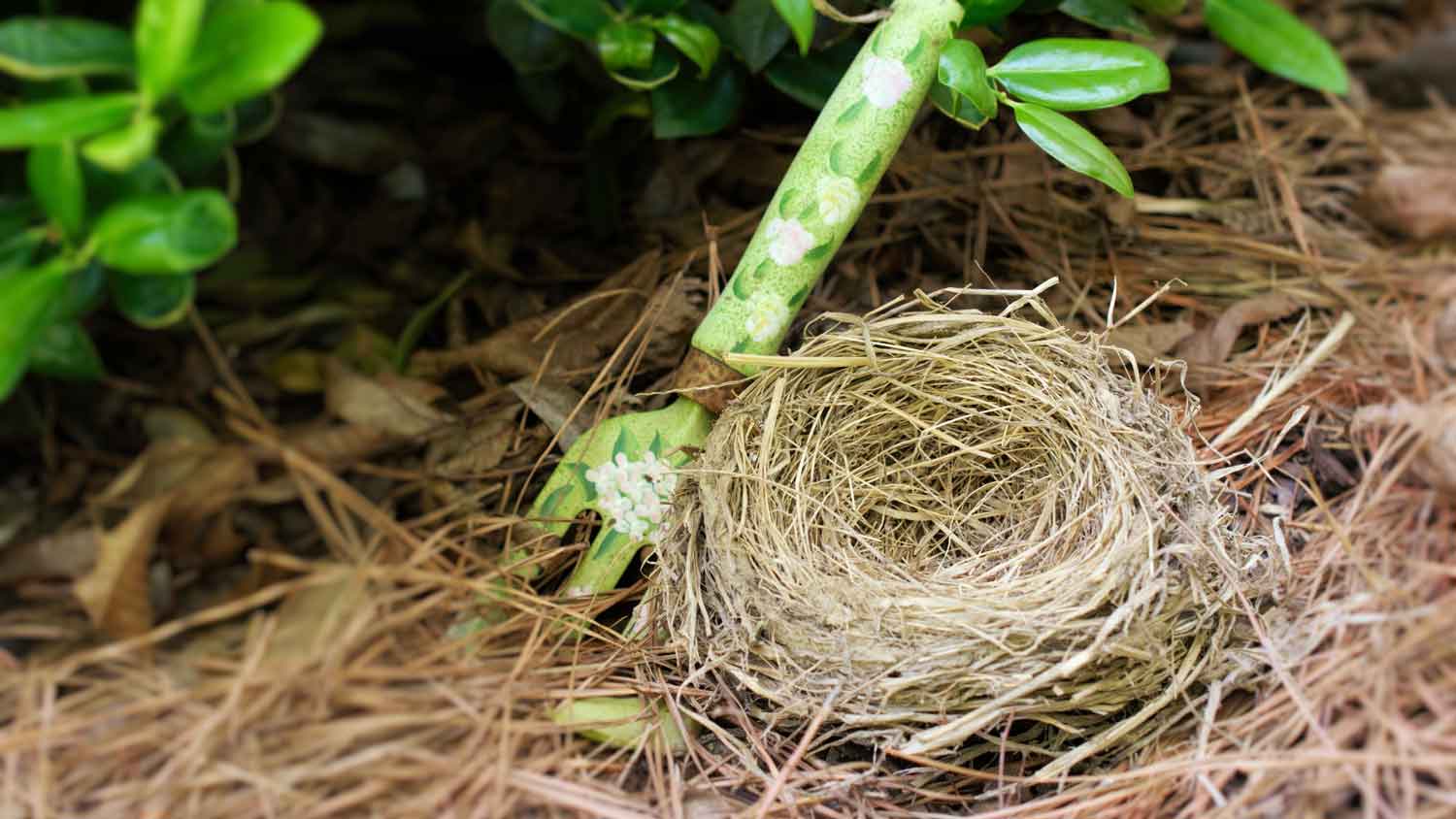
The lifespan of a bird's nest depends on the species. The building process can take from two days to three weeks. Once built, the nesting period for baby birds can last from two to ten weeks before they leave the nest. While most young birds are ready in two to six weeks, some predatory species may need up to two and a half months. Some species nest four to five times per year, so a nest could remain in use for several months. For specific information about a particular nest's longevity, it is best to consult a wildlife professional.

The Portage, WI homeowners’ guide to bird control services

From average costs to expert advice, get all the answers you need to get your job done.