







Top-rated arborists.

Get matched with top arborists in Poplar, WI

Enter your zip and get matched with up to 5 pros

Need a pro for your arboricultural service project in Poplar, WI?

Select your specific project to find the pro for you.

Find Arborists in Poplar

Avatar for KKS Consulting, LLC
KKS Consulting, LLC
4.7(
15
)
Tree RemovalTree Removal - For BusinessTree Stump - Remove+3 more

Serving Poplar, WI and surrounding areas

Approved

In business since 2020

Free estimates

Credit card accepted

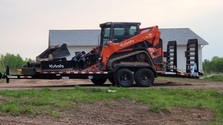
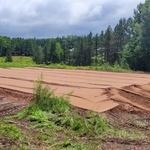
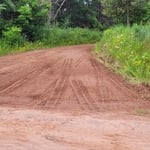
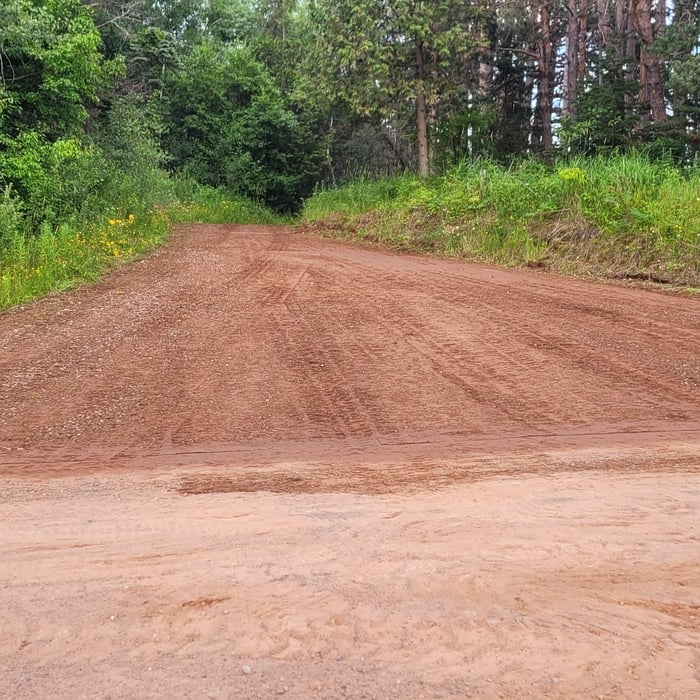
"We had a huge pile of trees on our cabin property, cleared after a recent construction project. We needed it cut and split. Jason and his crew were diligent in coming back for days until it was finished, then regraded the site afterward. Everything looks great, and we have a lifetime supply of firewood! Would recommend this company."
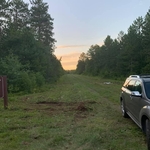
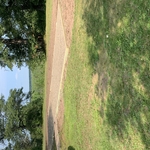
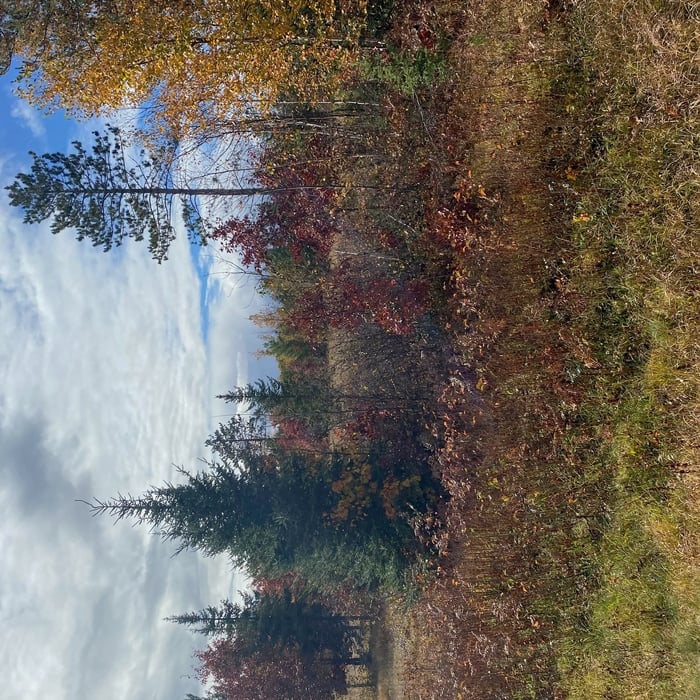
grown over road
finished job
camper pad
mowing
mowing

+11

Response time3 days
Recommended by85%of homeowners

Avatar for downs landscaping
downs landscaping
New to Angi
Tree RemovalTree Removal - For BusinessTree Stump - Remove+5 more

Serving Poplar, WI and surrounding areas

Free estimates

Emergency services offered

Credit card accepted

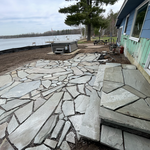
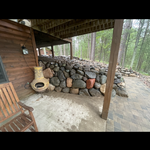
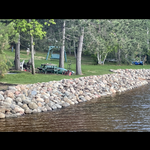
We are a small family owned landscape company who specializes in pavers, flagstone, retaining walls, shoreline restoration's, creating lake access and many other services. With years of experience in all things outdoors, leave your projects in the hands of a trusted experienced landscape company!

Additional Photos
Additional Photos
Additional Photos
Showing 1-10 of 24
Arborists questions, answered by experts

Any tree that needs to be pruned should be pruned to remove dead branches at least once a year. You may need to prune far more often if you’re trying to maintain a certain shape or to save a tree that suddenly becomes infected.

Yes, it’s okay to trim low branches on a tree, also known as limbing up or raising the crown. Essentially, you’ll trim the lower third of the tree (trunk) and leave the upper two-thirds of the tree (crown). Arborists recommend trimming 20% of a tree’s leaves per season for two to three seasons. Trimming low branches allows light to flow through the tree, increasing circulation and making the tree stronger and healthier.

The best time to transplant a tree is when it is dormant. For many trees, this means either in the fall after the leaves have dropped (around October or November) or in early spring before new growth begins (around March). The ideal timing can depend on the type of tree. Deciduous trees do well when moved in early spring or fall, while evergreens are best transplanted in early spring or late summer. For example, pine trees are best moved in early fall, but maples prefer late fall. Avoid transplanting in winter, as the frozen or hard, cold soil poses a significant risk to the roots and prevents the tree from acclimating properly.

If you’re wondering why tree trunks are painted white in your area, it’s usually to prevent sunscald, a condition where extreme shifts in temperature can cause tree bark to split. Fruit trees are especially vulnerable to sunscald, so this treatment is worth considering if it’s something that affects your trees.

For trimming trees, your best tool is a pair of pruning shears or loppers. Both options work best for branches that are under 3 inches in diameter. Trimming trees with a larger diameter may require a robust tool like a small chainsaw or a handsaw, so take into account your tree’s diameter when deciding between tools.

The Poplar, WI homeowners’ guide to arboricultural services

From average costs to expert advice, get all the answers you need to get your job done.