







Top-rated septic tank pros.

Get matched with top septic tank pros in Plain, WI

Enter your zip and get matched with up to 5 pros

Need a pro for your septic tank service project in Plain, WI?

Select your specific project to find the pro for you.

Find Septic tank pros in Plain

Avatar for American Home Shield – Home Warranty
American Home Shield – Home Warranty
3.5(
5,688
)
Septic System - Install or ReplaceSeptic System - Install or Replace - For BusinessSeptic System - Repair+3 more

Serving Plain, WI and surrounding areas

In business since 1971

Credit card accepted

"The technician emptied the freezer, which was in the basement, to work on the part that needed repair. Then he neglected to put anything back into the freezer, including a turkey I had bought for Christmas and a rack of ribs. Two days after he left, I went out of town for two weeks. The turkey actually exploded and spewed its liquid all over everything, which had to be discarded. I let AHS know and they couldn't even bother to call me or follow up on this. I'm considering not renewing my contract with them because of the quality (or lack thereof) of many of the providers they send."
Additional Photos
Additional Photos
Additional Photos
Additional Photos
Additional Photos

+2

Recommended by65%of homeowners
Patricio Abeso
New to Angi
Septic Tank - Clean or Pump OutSeptic Tank - Clean or Pump Out - For Business

Serving Plain, WI and surrounding areas

In business since 2013

Free estimates

Credit card accepted

We are committed to excellence in every aspect of our business. We uphold a standard of integrity bound by fairness, honesty, and personal responsibility. Our distinction is the quality of service we bring to our customers. Accurate knowledge of our trade combined with ability is what makes us true professionals. Above all, we are watchful of our customers' interests, and make their concerns the basis of our business.

Septic Tanks questions, answered by experts

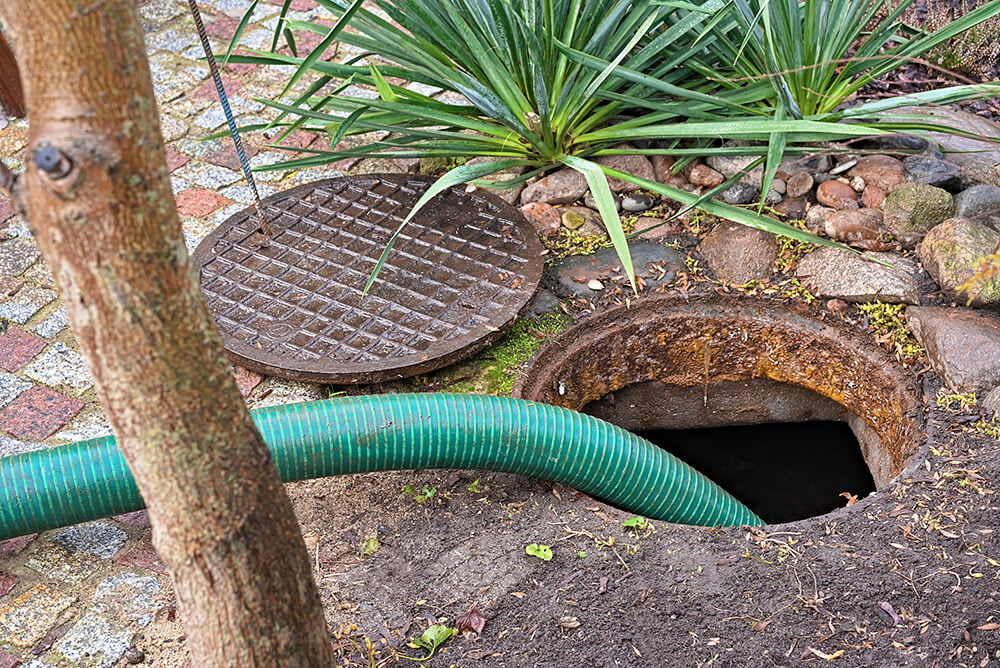
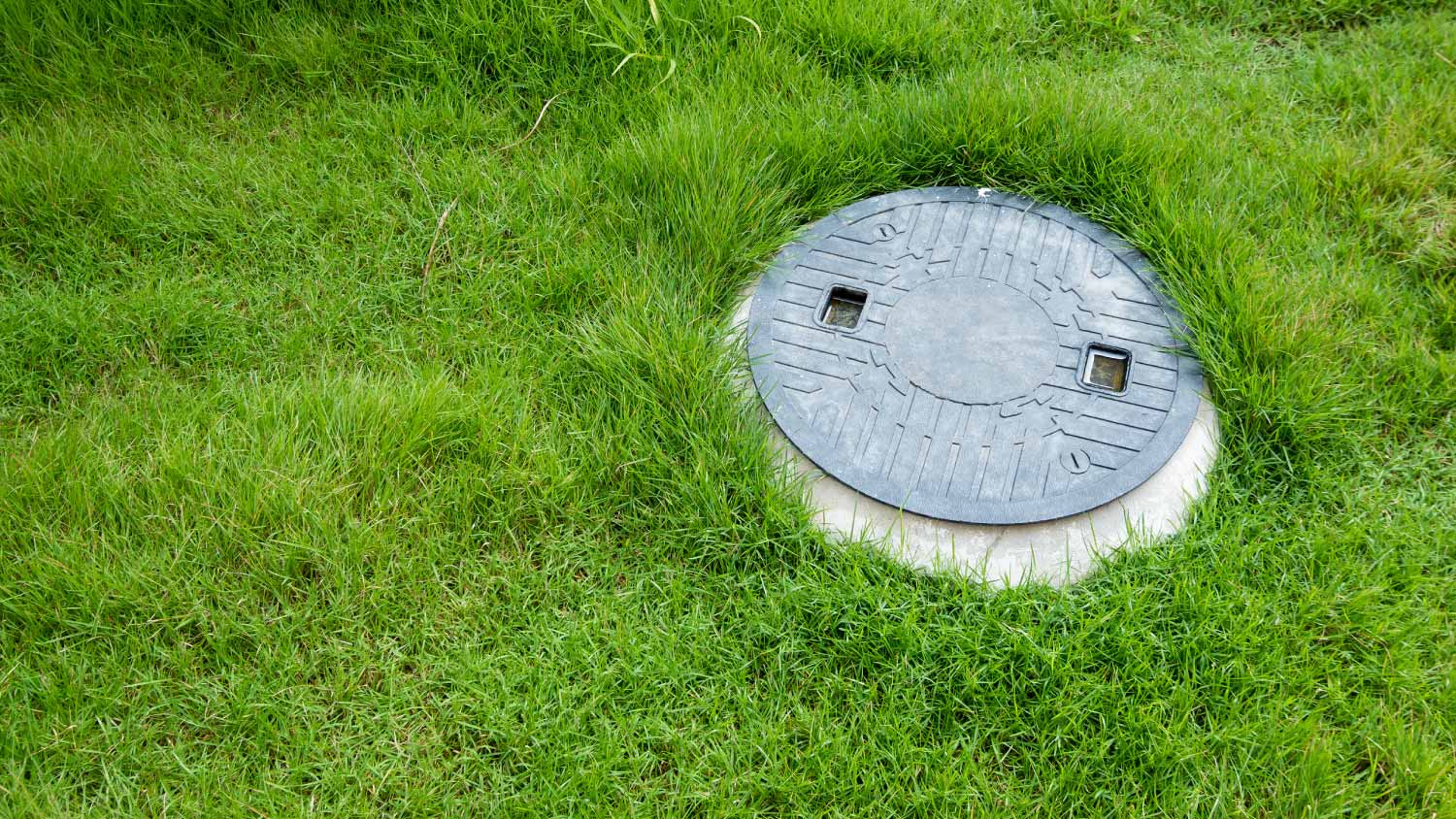
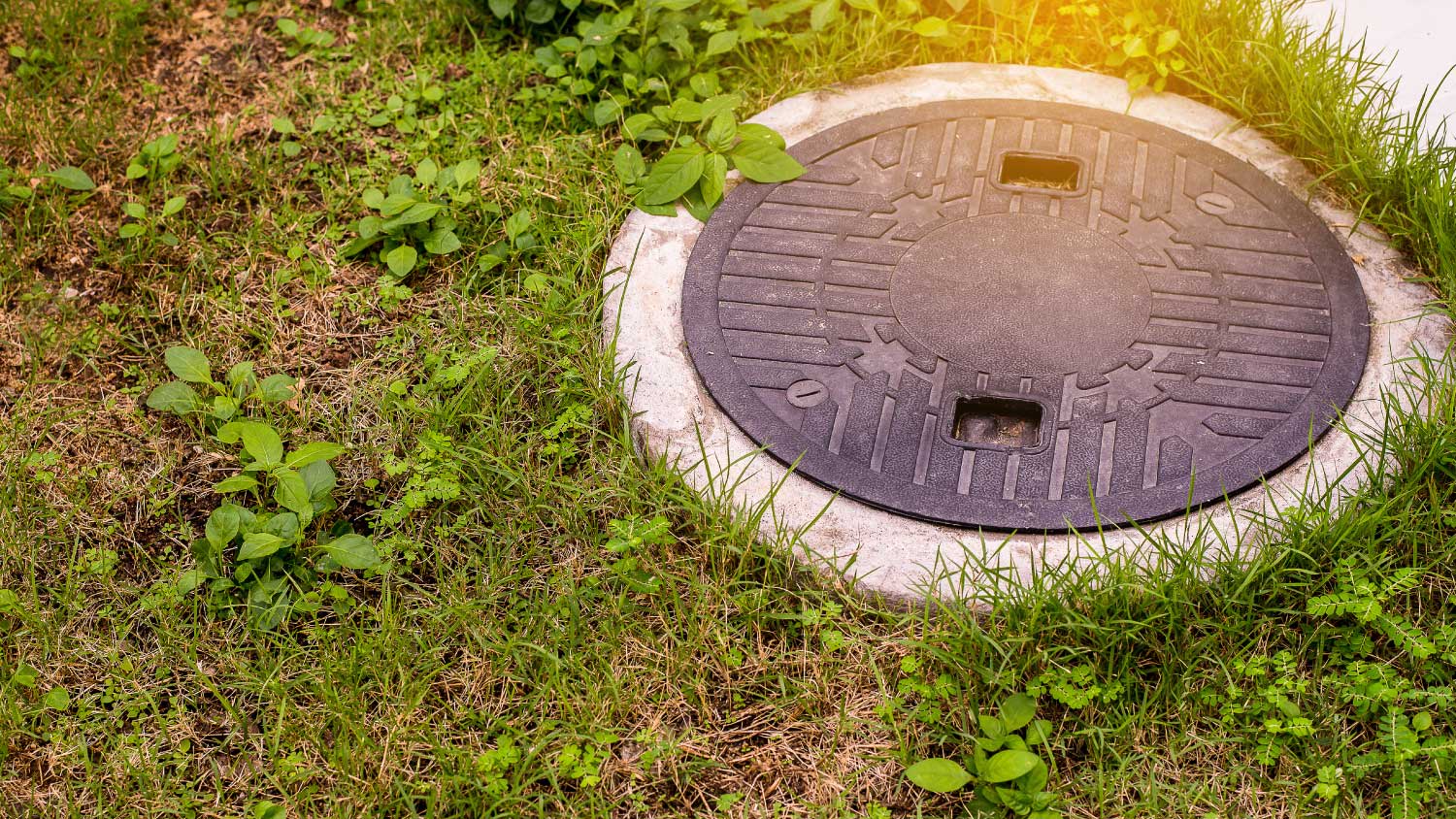
Septic tank locations are sometimes public record, although it depends on local laws and the property age. Older properties may not have the septic tank information on public record. To check, you can talk to local permitting agencies, such as your local health department, the local environmental department, or the county clerk.

It only takes a few days for a septic tank to fill with water after a pro has pumped it. This is completely normal, and the water is a vital part of your septic system’s wastewater treatment process. The water that fills your tank days after pumping is not the same as the tank being filled with waste. You shouldn’t have to pump your septic system more than once every three to five years unless you have a tank that’s too small for your home’s water output or there’s a problem with your leach field. 

A well pressure tank typically lasts between 5 and 15 years. However, its lifespan can be influenced by several factors. High-quality, appropriately sized tanks tend to last longer, with some top-of-the-line models lasting up to 30 years. Regular annual maintenance, including inspections, cleaning, and prompt repairs, is crucial for extending the tank's life. Water quality also plays a significant role; water with high levels of sediment, minerals, or rocks can cause premature wear. Overworking an undersized tank can also limit its lifespan.

The efficacy of a drain field depends on a wide variety of factors, though a well-maintained one can last as long as 40 or 50 years. Of the different types of septic tanks on the market, concrete and plastic tanks tend to last the longest—upwards of 40 years if they’re pumped regularly—while steel tanks have a tendency to rust over time and may need to be replaced after 15 or 20 years.

Yes, shower water goes into the septic tank. Shower water is a type of greywater, and in fact, all water used in a home with a septic system—including water from sinks, toilets, the dishwasher, and the washing machine—drains into the tank. When shower water enters the tank, debris like soap and hair travels with it. The solid debris sinks to the bottom to become sludge, while soap residue joins the scum layer at the top. The remaining water is treated in the tank before moving to the drain field for further treatment and dispersal. It is important to avoid putting oil or harsh chemicals down any drain, as they can cause clogs or disrupt the beneficial bacteria required for proper wastewater management in the septic system.

The Plain, WI homeowners’ guide to septic tank services

From average costs to expert advice, get all the answers you need to get your job done.