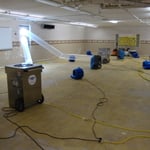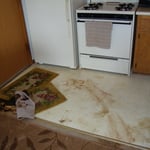









"After getting recommendations and checking Angie's list, I called Rich Reimer of Custom Craft Environmental. Rich was very cooperative and came almost right away. He outlined what he was going to do and after we agreed, he and his crew immediately started to go to work. After vacuuming up as much of the water as possible, they set up huge dehumidifiers and 25 fans to finish the drying. They also sprayed chemicals to prevent mold and to disinfect the flooring; this they did several times during the next days. We had a lot of stuff in our basement and there was a lot to move up off the floor. Rich and his men were extremely helpful and careful with our belongings and never once did they complain about the amount of things they had to move. Rich came back numerous times during the drying out process to check on the progress and to move furniture and fans around for better coverage - for that care we were most grateful. When things were finally dry, we had Steve, one of Rich's crew, shampoo our carpet and he did a great job in spite of all the challenges caused by having to move a lot of furniture, etc. All in all, Custom Craft did an excellent job and it was a pleasure to work with Rich and his crew."

"The furnace took 4 days to get approved( not counting a Sunday) the others were quick but the water heater had to be ordered so without hot water for a week. One ceiling fan was easy but within a year their policy changed and They would not install the one I purchased and had to get a new one approved and then ordered online and took several weeks to get straightened out. Not sure who was at fault, AHS, installer or scheduling with renter. Fee is usually $75 per visit"
Owner operated. I am Jack of all trades. No job to big or small. We do everything from hauling to painting , Plumbing electrical , rental unit turnovers , trash outs roofing , windows and doors. My contact information has been outdated on here for a while. sorry to any customers who tried to reach me. And as always a 20% VETERANS & senior discount.
Driven by family and dedicated to produce quality craftsmanship at a reasonable price doesn't shy away from hard work. Gets things done promptly thoroughly and clean. Been in the construction trades for over 15 years based in Green Bay Wisconsin. I love the state based In Green Bay, Wisconsin servicing the entire Northeast Wisconsin and some of the upper peninsula.\n
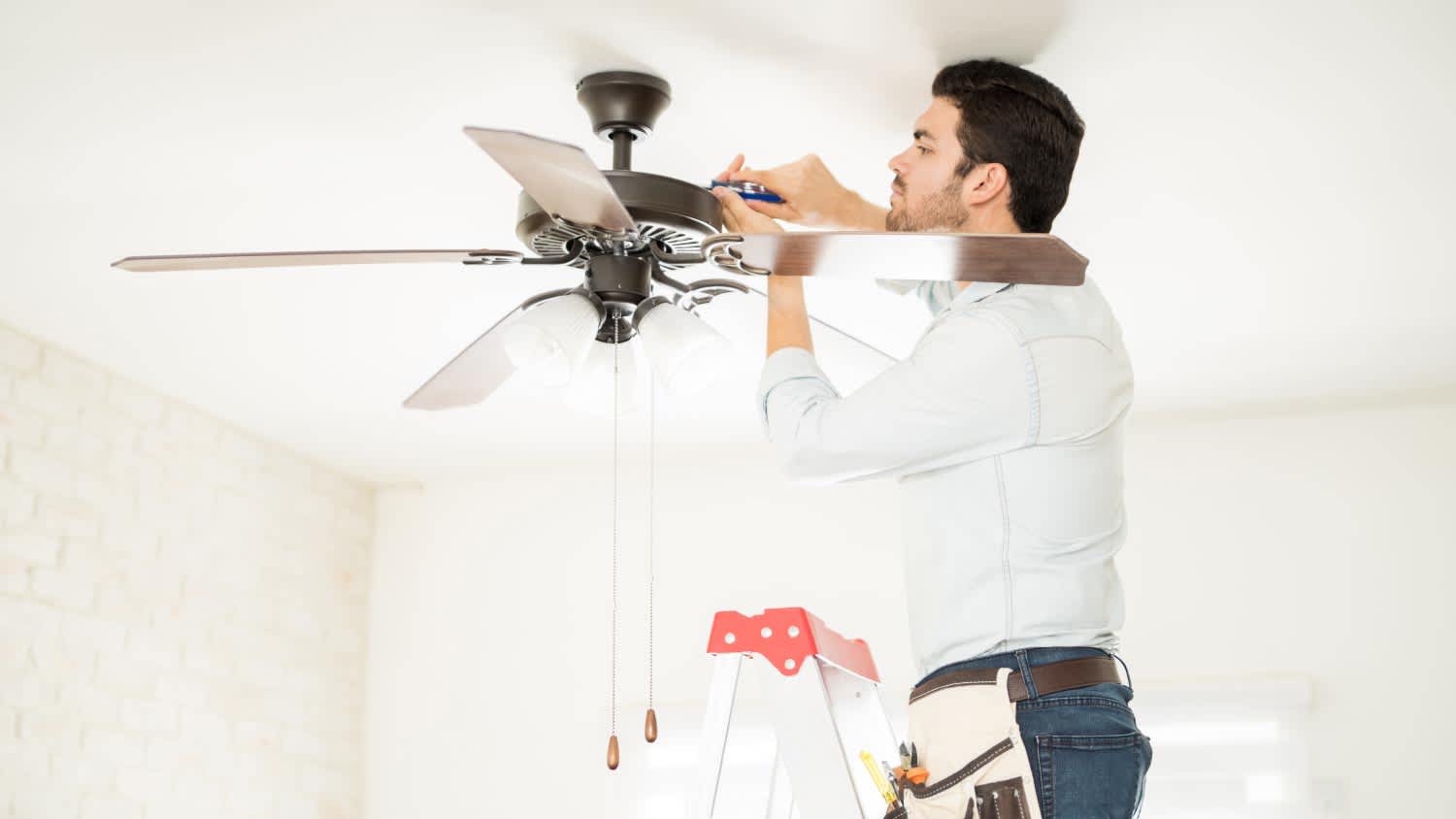
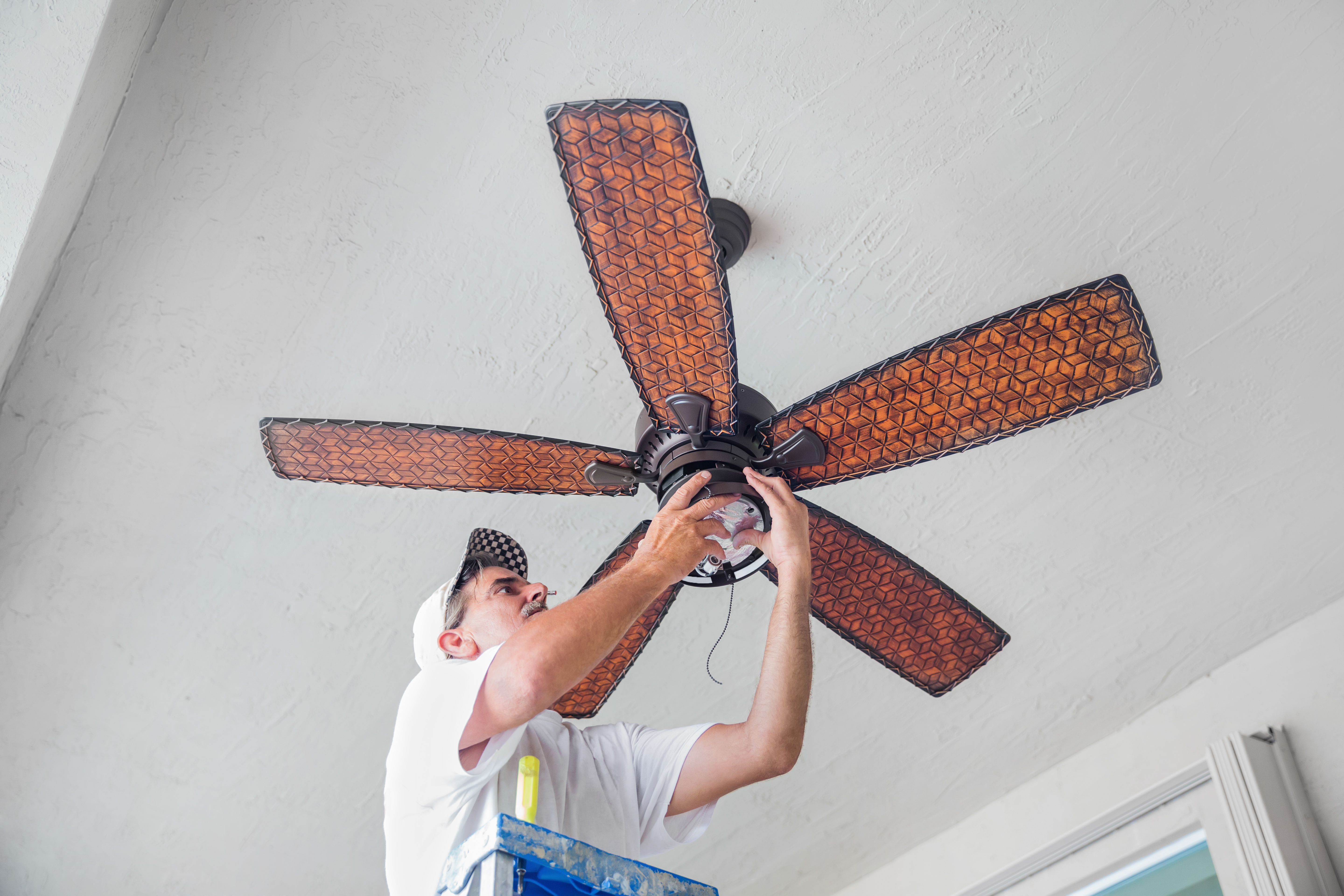
To determine if your ceiling box can support a fan, you must check if it is specifically fan-rated. Manufacturers are required to indicate this on the box itself. You may need to remove the existing light fixture to look inside the ceiling box for an inscription stating it is rated for fan use. If you do not see this confirmation, the box is likely not strong enough and must be replaced with a fan-rated junction box. For a proper and safe installation, you should also use a fan brace to secure the new box between the ceiling joists, which provides the necessary support for the fan's weight and motion.
There are many types of ceiling fans, from self-automated smart ceiling fans to outdoor ceiling fans that provide additional comfort to your patio. What you choose all comes down to function and personal taste.
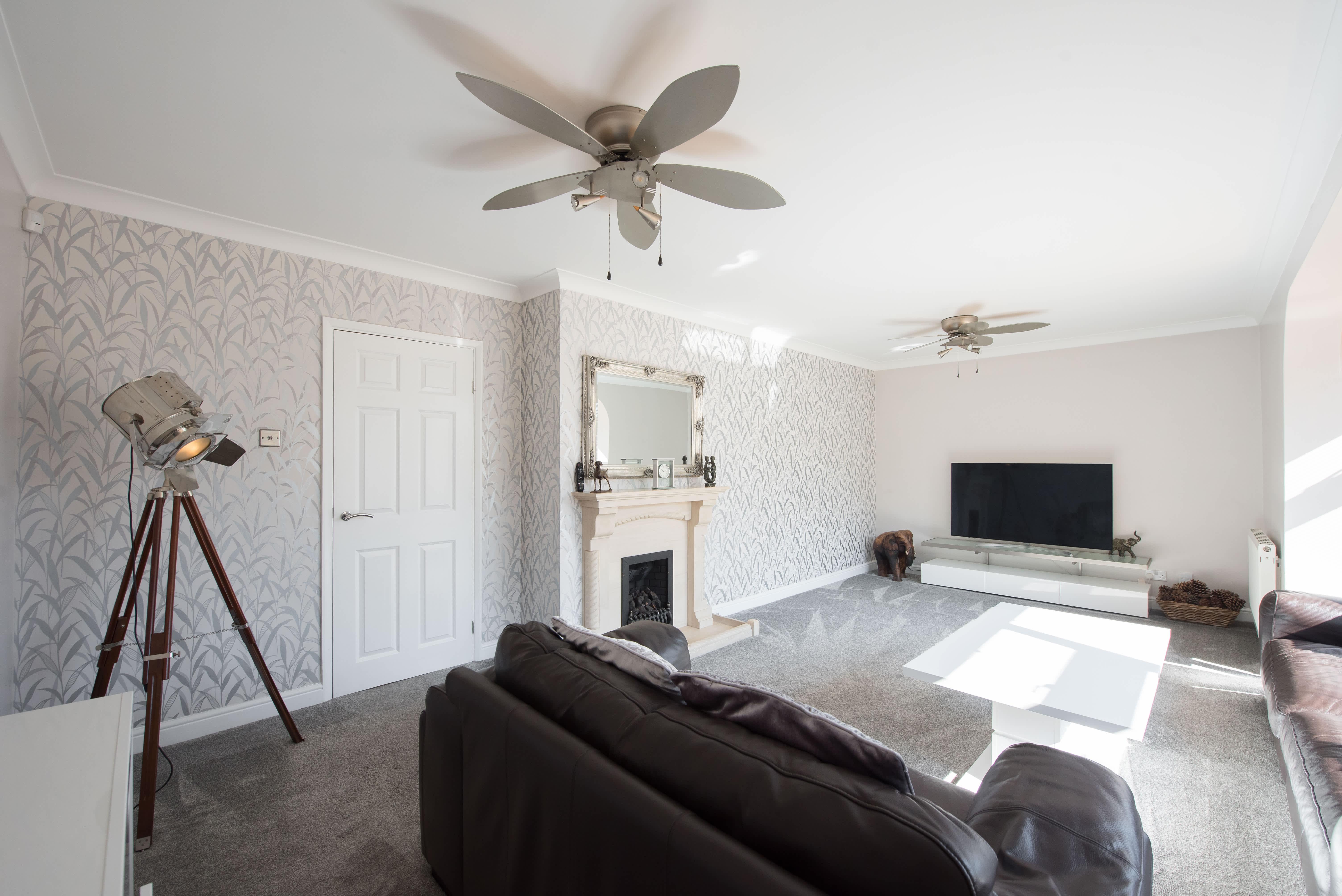
Consider your ceiling height when selecting a ceiling fan. Rooms with ceilings under eight feet high will do well with low-profile ceiling fans, also known as flush-mount or hugger ceiling fans. If your home has cathedral ceilings or ceilings between 10 and 25 feet high, you’ll need a large ceiling fan with a heavy-duty motor to get adequate air circulation.
Installing a ceiling fan where no wiring exists is a difficult and potentially dangerous job that should not be attempted as a DIY project. It is recommended to hire a certified electrician to build the necessary electrical infrastructure. In some areas, building codes require this work to be done by a professional to ensure safety and compliance. Due to the complexity, this type of installation is a significant job that could cost up to $2,000.
Generally, a ceiling fan should be mounted at least seven feet from the floor in the center of your room with a wall clearance of around 18 inches. If your ceiling is more than eight feet high, it’s recommended by experts that the ceiling fan be mounted around eight to nine feet from the ground. This helps ensure a better quality of circulated airflow.
Identifying the source of noises is your first step to soundproofing a room without overspending. Generally, sound comes from inside or outside of the house. Inside noises include creaking floors, living noises like TVs in the living room, cooking sounds, or kids being kids. External noises generally include incremental weather, disturbing neighbors, and street traffic. Inside noises require you to soundproof floors, ceilings, and doors, whereas outside noises may require you to soundproof your attic, windows, and walls facing the streets.
The Mountain, WI homeowners’ guide to ceiling fan services
From average costs to expert advice, get all the answers you need to get your job done.
Discover the cost to install a ceiling fan, including labor, materials, and tips to save. Learn what impacts your price and how to budget for your project.
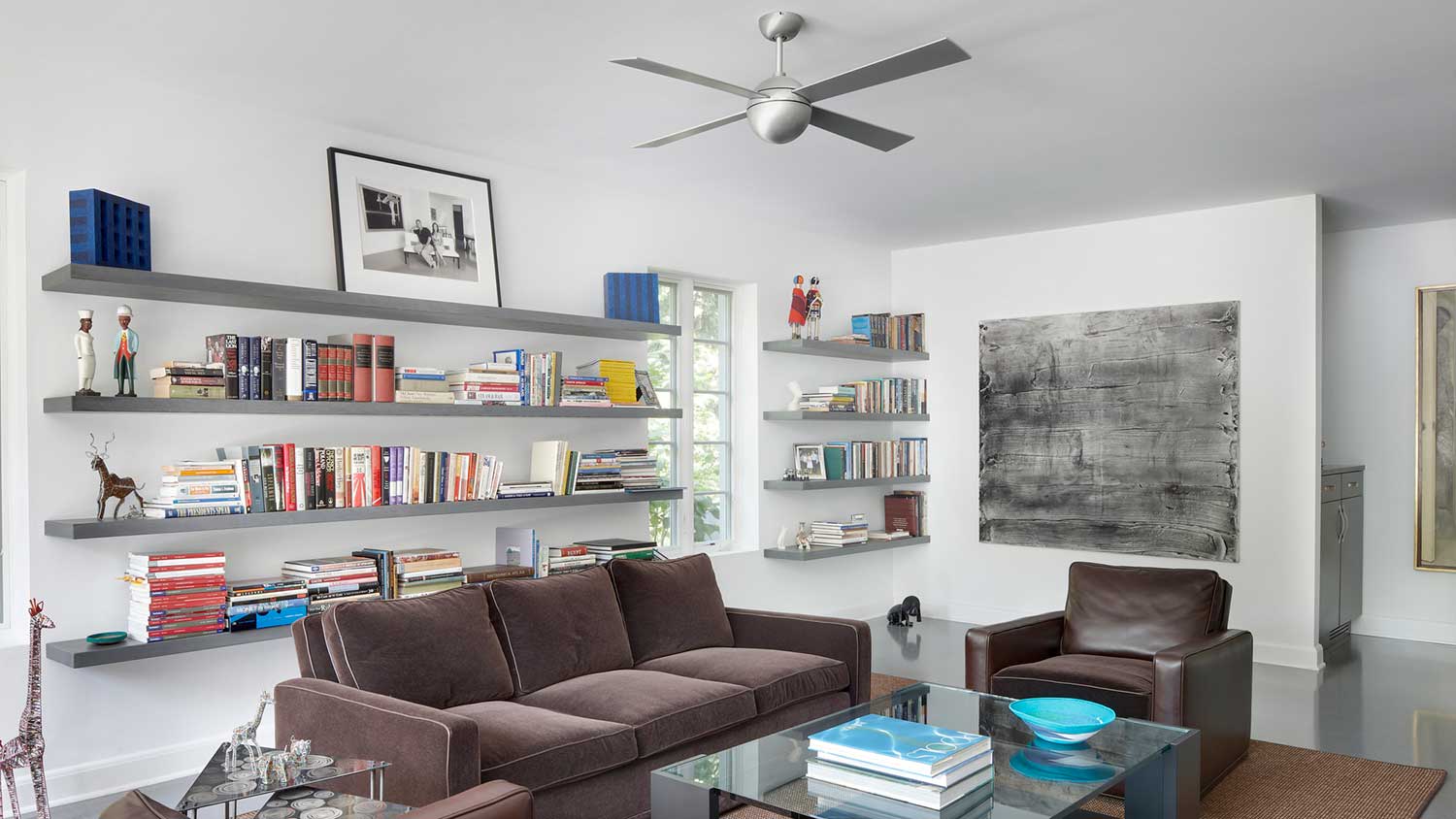
Ceiling fans cool down your home while stylishly accenting your space. With a variety of types of ceiling fan on the market to choose from, you can’t go wrong.
Although the risk is low, there are a few telltale signs that a ceiling fan will fall off your ceiling. This guide explains when to worry (and when not to).