


Top-rated animal fencing pros.

Get matched with top animal fencing pros in Onalaska, WI

Enter your zip and get matched with up to 5 pros

Need a pro for your animal fencing service project in Onalaska, WI?

Select your specific project to find the pro for you.

Find Animal fencing pros in Onalaska

Animal Fencing questions, answered by experts

Moles live underground and feed on insects. They dig and move through tunnels, usually in meadows or forests but sometimes in lawns and gardens. They are about 6 inches long with large claws, tiny eyes, and hidden ears. 

Shrews do not dig their own tunnels but will use other animals’ tunnels, and are about 3 to 4 inches long. They look similar to mice and feed on insects.

Voles are similar in size to moles but have large eyes and small but visible ears. Rather than eating insects, voles are herbivores that prefer seeds, grasses, and plant roots.

According to the Internet Center for Wildlife Damage Management, no frightening devices are proven effective for squirrel control. This is likely because the squirrels quickly become habituated to the noises. However, strobe lights show some promise, so motion-activated lighting could be an option worth considering as part of your integrated pest management strategy.

Armadillos are attracted to water, so a leaky irrigation system or an overwatered lawn can encourage them to move in. They especially like wet areas where they can burrow and loose soil where they can dig for grubs. They are also attracted to dense ground cover, where they can often find food sources.

Once the animals and their young are out of the house, remove the nest and locate any entry points. Some may be difficult to find because some animals can fit through very small holes. Once you’ve located as many entry points as possible, use materials such as metal or masonry to block off the entry. Ideally, you should choose materials that most animals cannot chew through. Create a one-way door or flap to allow animals to leave but not return. Additional methods include using repellants designed to make an area unappealing to the types of animals that find your home so inviting. 

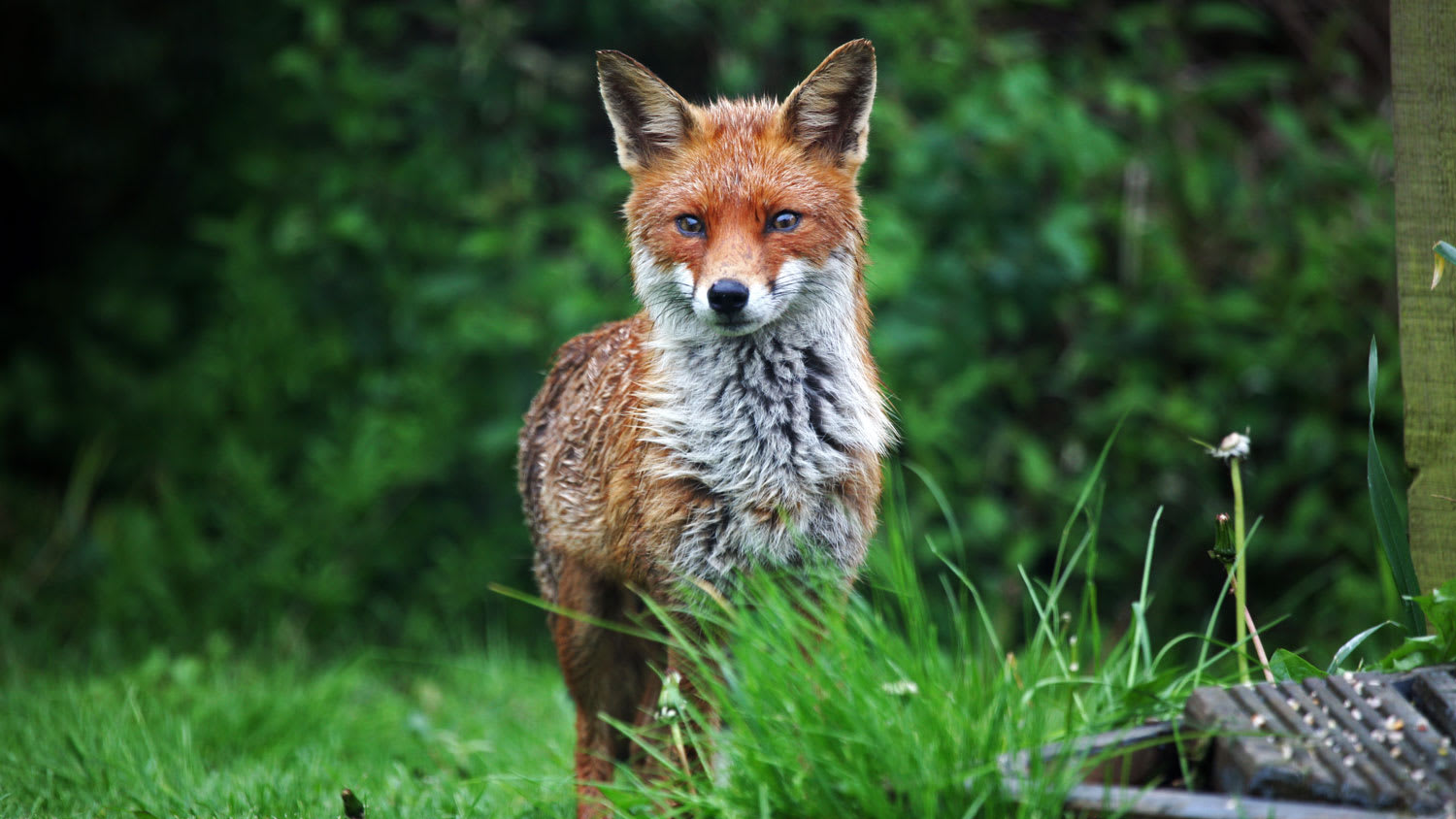
If a wild animal enters your yard, prioritize safety for yourself and the animal. Remember to avoid direct contact and always keep a safe distance. Contact local authorities or a wildlife rehabilitation center if the animal is hurt or in distress. Both sources should be able to guide you on how to proceed and send help if needed. Please wait for the animal to leave naturally for non-threatening situations, as many will. To deter future visits, implement measures like securing trash cans, sealing entry points, and removing potential food sources.

The Onalaska, WI homeowners’ guide to animal fencing services

From average costs to expert advice, get all the answers you need to get your job done.