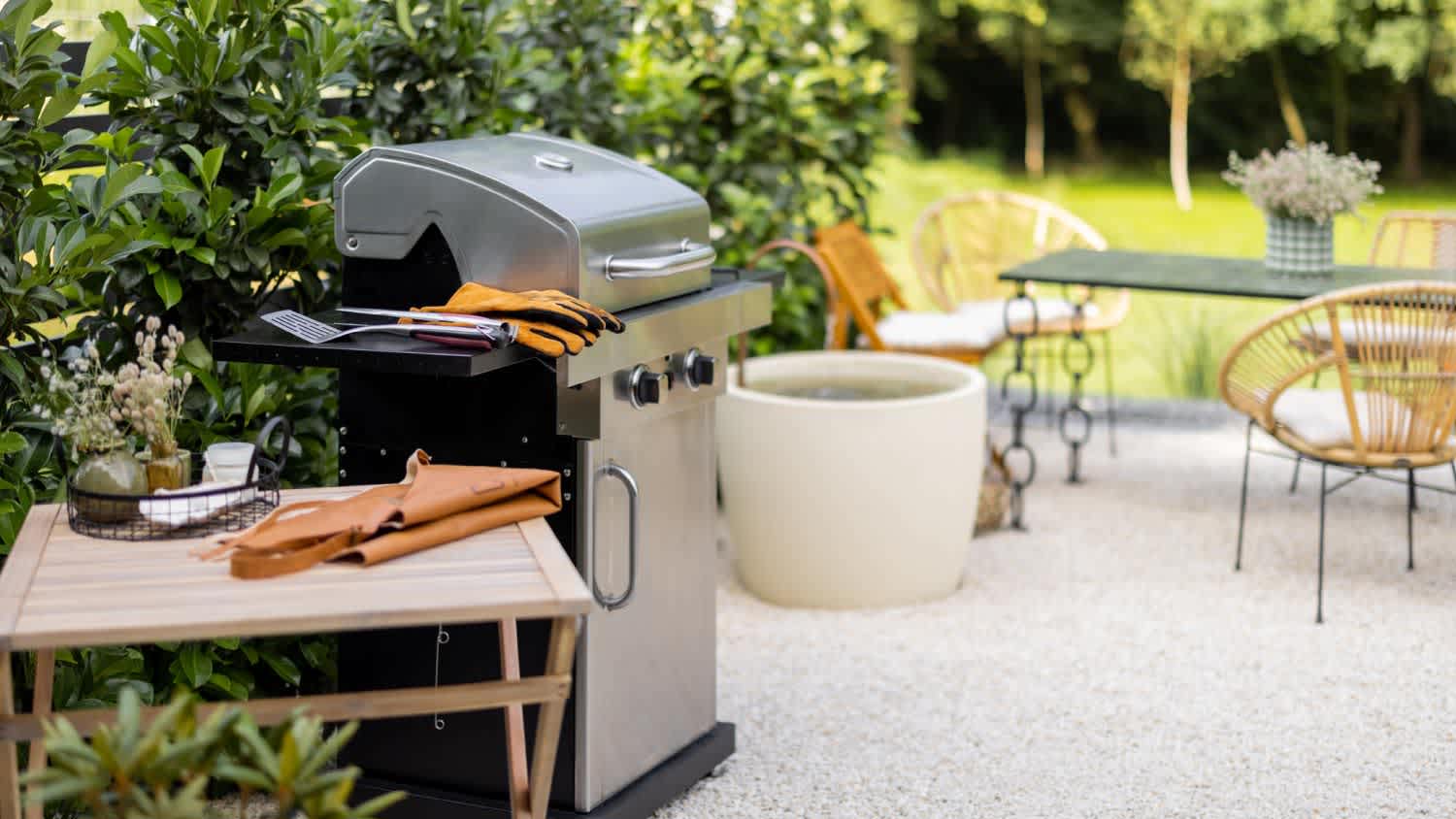




Top-rated outdoor kitchen pros.

Get matched with top outdoor kitchen pros in Onalaska, WI

Enter your zip and get matched with up to 5 pros

Need a pro for your outdoor kitchen service project in Onalaska, WI?

Select your specific project to find the pro for you.

Find Outdoor kitchen pros in Onalaska

Outdoor Kitchens questions, answered by experts

For outdoor kitchens, it's best to use wood that is naturally resistant to weather elements like water and heat, which can cause fading, mold, or mildew. Excellent choices include teak, Brazilian walnut, white oak, and mahogany. Avoid softwoods such as pine and cedar, as they are more susceptible to damage and can catch fire easily. Regardless of the wood you choose, it should be pressure-treated for extra protection and regularly maintained with sealants, oils, and stains.

A few materials are most commonly used when it comes to building a frame for an outdoor kitchen: wood, steel, and concrete or brick. While there’s no best option overall, each material is better suited to different needs. Concrete and brick are typically more customizable than other options, but aren’t as resistant to inclement weather as steel. Wood is the most affordable pick, but it is more susceptible to rot, mildew, and heat than the others.

You can call a second kitchen many different names—butler’s pantry, scullery, prep kitchen, working kitchen, dirty kitchen, or even just second kitchen. In modern times, however, second kitchens are almost always called prep kitchens or small kitchens. However, the purpose of a second kitchen remains the same—prepare food and clean items “behind closed doors.”

The difference between a built-in and regular grill is installation and design. A built-in grill is integrated into an outdoor kitchen or structure, often within a countertop or island. It is a permanent fixture. A regular grill is standalone, portable, or cart-mounted, allowing mobility and versatility in placement. Built-in grills are typically larger with more cooking space, while regular grills come in various sizes. Built-in grills are favored for creating a custom outdoor cooking area, while regular grills provide convenience and flexibility.

How big a fire pit should be depends on how many people you want to get around it on a regular basis, and how big your space is. The average fire pit size is between 36 and 44 inches. However, if you regularly host big gatherings and have the appropriate outdoor space, you can go as big as 72 inches.

The Onalaska, WI homeowners’ guide to outdoor kitchen services

From average costs to expert advice, get all the answers you need to get your job done.