







Top-rated plaster repair specialists.

Get matched with top plaster repair specialists in Markesan, WI

Enter your zip and get matched with up to 5 pros

Need a pro for your plaster repair project in Markesan, WI?

Select your specific project to find the pro for you.

Find Plaster repair specialists in Markesan

Avatar for The Plaster Man
The Plaster Man
1.0(
1
)
Plaster - Install - For BusinessPlaster - Repair - For Business

Serving Markesan, WI and surrounding areas

In business since 2020

Free estimates

Emergency services offered

The Plaster Man is committed to excellence in every aspect of our\nbusiness. We uphold a standard of integrity bound by fairness, honesty,\nand personal responsibility. Our distinction is the quality of service\nwe bring to our customers. Accurate knowledge of\nour trade combined with ability is what makes us true professionals.\nAbove all, we are watchful of our customers' interests and make their\nconcerns the basis of our business.
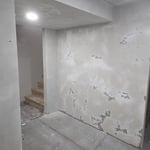
Basment
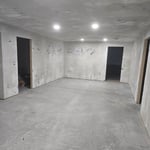
Basment
RON THE HANDYMAN
New to Angi
Plaster - Repair - For Business

Serving Markesan, WI and surrounding areas

In business since 2014

Free estimates

Offers commercial services

RON THE HANDYMAN is committed to excellence in every aspect of our business. We uphold a standard of integrity bound by fairness, honesty, and personal responsibility. Our distinction is the quality of service we bring to our customers. Accurate knowledge of our trade, combined with ability is what makes us true professionals. Above all, we are watchful of our customers' interests, and make their concerns the basis of our business.
Response time1 day
Plaster Repair questions, answered by experts

You can put certain types of plaster over other types, but doing so isn't always the best idea. For example, putting a coat of gypsum over lime plaster is possible, but doing so will limit the lime plaster's breathability and potentially affect its performance.

Since cement plaster tends to leave a textured surface, no matter how much you smooth it, some people prefer to use gypsum plaster as a topcoat over cement plaster, creating a smoother surface.

While it is possible to repair minor plaster cracks or holes yourself, it is generally not recommended for larger jobs or if you want a professional result. Plaster repair can be difficult in practice; proper wall preparation and achieving a smooth, seamless finish that blends with the existing wall requires experience, especially on textured surfaces. Hiring a professional ensures the repair will be durable and last longer, potentially saving you money over time. A pro can also determine if the cracks are from normal expansion or a more serious underlying issue.

Whether you can install or repair plaster yourself depends on the project's size and your comfort level with DIY projects. It's possible to handle small repairs on your own, but for larger projects like a room restoration or a full installation, it's often best to hire a local plaster professional. The final appearance, even coverage, and durability of the plaster depend heavily on proper wall preparation and application. If you are not 100% confident in your ability to achieve a professional result, letting an expert handle the job is a worthwhile investment.

The short answer is yes, a sagging plaster ceiling is dangerous. Sagging plaster on a wall is something you should fix immediately, but it isn’t a major concern. If the same type of sagging occurs on a ceiling, however, you could be in danger of your ceiling falling in large chunks. When plaster sags, it loses its strength and ability to hold itself up. The bonds that hold it together are strong, though, so if a sagging area falls, it will take large pieces down with it.

Plastering and skimming are two different techniques for finishing walls. Plastering involves applying a thick layer of a plaster mixture—typically containing gypsum, lime, cement, sand, and water—to create a new surface. This process often requires multiple coats and is used for repairing significant damage or creating decorative textures. Skimming, on the other hand, is a technique that involves applying a thin layer of drywall compound or joint compound over an existing surface to smooth it out, covering minor imperfections, small cracks, or uneven textures for a polished look. Plastering is generally more costly and labor-intensive than skimming. Although some people use the terms interchangeably, they refer to different processes and materials.

The Markesan, WI homeowners’ guide to plaster repairs

From average costs to expert advice, get all the answers you need to get your job done.