



Top-rated lead testing and removal specialists.

Get matched with top lead testing and removal specialists in Lone Rock, WI

Enter your zip and get matched with up to 5 pros

Need a pro for your lead testing and removal project in Lone Rock, WI?

Select your specific project to find the pro for you.

Find Lead testing and removal specialists in Lone Rock

Avatar for Red Diamond Mold Remediation and Lead Abatement, LLC
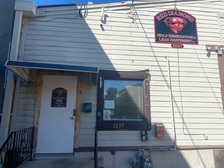
Red Diamond Mold Remediation and Lead Abatement, LLC
4.6(
70
)
Toxic Lead - Abatement

Serving Lone Rock, WI and surrounding areas

Approved

In business since 2021

Free estimates

Emergency services offered

"As soon as we sent out the need for testing, they had called right away on a Sunday, and the owner was able to book an appointment for the next day for testing! He tested every floor, and expedited the testing for us to ensure we knew the results right away. We are really grateful for how quick this process was and how accommodating their team is. Also, the price is very reasonable! 10/10 would book through Red Diamond Mold again!"
Response time4 hrs
Response rate100%
17 neighbors recently requested a quote

Lead Testing and Removal questions, answered by experts

With regular testing, treatment, and maintenance, water from a community well should be safe to drink. Unfortunately, the EPA does not regulate private wells, and contamination can happen. 

If you have doubts about the quality and safety of your drinking water, you have options for testing. You can pick up kits from your local home supply store or harvest samples and send them to a local testing facility. To get the most complete water quality testing and system diagnosis, seek a local well professional. They know what to test for and can recommend and implement a longer-lasting solution.

According to the Environmental Protection Agency (EPA), hazardous waste is generally classified into four main categories:

1. Characteristic Wastes: These exhibit at least one of four hazardous traits: ignitability (flammable, like gasoline), corrosivity (can rust or decompose materials, like car batteries), reactivity (unstable and can explode, like aerosol cans), or toxicity (harmful when ingested, like lead-based paint).

2. Listed Wastes: These are specific wastes from manufacturing and industrial processes that the EPA has officially designated as hazardous. They include byproducts from processes that use solvents, pesticides, and other chemicals.

3. Universal Wastes: These are commonly generated hazardous items that are subject to streamlined regulations. Examples include batteries, pesticides, mercury-containing equipment (e.g., bulbs), and some lamps.

4. Mixed Wastes: This category includes waste that contains both hazardous and radioactive components, making it subject to regulation by both the EPA and the Nuclear Regulatory Commission.

If your house was built before 1978 and you’re noticing cracking or peeling paint, a lead paint inspection is a good idea. A lead paint inspection gives you accurate information about the presence, location, and condition of lead-based paint in your home. This information is essential for making informed decisions about lead paint removal to ensure your safety and health and that of your family. If your inspector finds lead, you’ll need to take steps to manage or remove the lead-based paint and comply with laws and regulations.

Hazardous waste is waste that poses a threat to human or environmental health. This generally refers to waste that is flammable, corrosive, toxic, or reactive. To confirm if the waste you need to remove is considered hazardous waste, contact your local hazardous waste facility.

Professional testing for lead paint costs about $300, ranging from about $250 to $700, depending on the square footage, accessibility, and location. However, testing for lead paint with a DIY home-testing kit costs about $25, but doesn’t guarantee accurate results. The U.S. Environmental Protection Agency (EPA) recommends using a lead test kit that complies with the Lead Renovation, Repair, and Painting (RRP) Rule, which has strict criteria for ensuring a more accurate reading.

Common home surfaces to test for lead include:

  • Walls

  • Windows

  • Doors

  • Molding and trim

  • Railings

The Lone Rock, WI homeowners’ guide to lead testing and removal services

From average costs to expert advice, get all the answers you need to get your job done.