




Top-rated arborists.

Best arborists near Highland, WI

Enter your zip and get matched with up to 5 pros

Need a pro for your arboricultural service project in Highland, WI?

Select your specific project to find the pro for you.

TRUSTED BY HIGHLAND, WI HOMEOWNERS

  • Average homeowner rating star icon4.5
    Average homeowner rating
  • Verified reviews icon36
    Verified arboricultural services reviews

Top-Rated Arborists in Highland - Updated Nov 2026

Bear Point LLC
New to Angi
Tree RemovalTree Stump - RemoveTree Trimming+1 more

Serving Highland, WI and surrounding areas

Approved

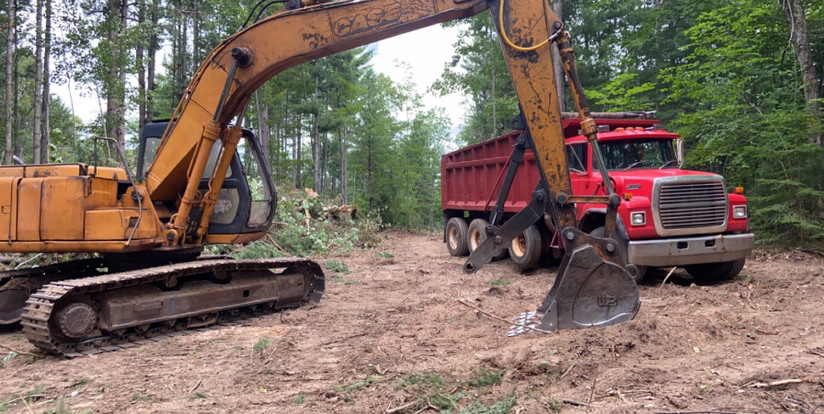
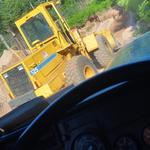
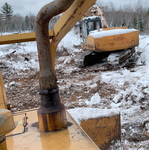
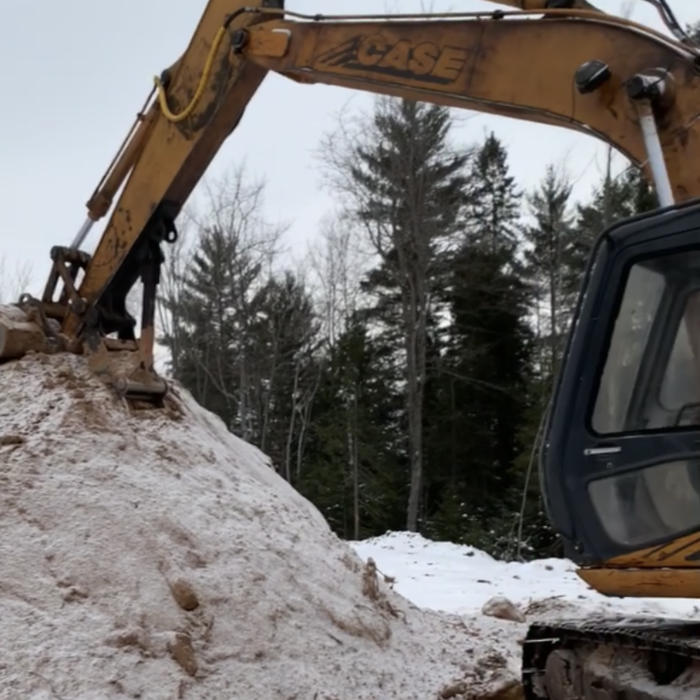
\nBear Point LLC specializes in land clearing, forestry mulching, brush removal, excavation, grading, and site preparation throughout Wisconsin. We take pride in providing reliable service, honest communication, and quality workmanship on every project. Whether you’re preparing a homesite, clearing trails, reclaiming overgrown property, or improving your land, we’re committed to delivering efficient, cost-effective solutions with a focus on safety and customer satisfaction.

Avatar for Jarret Bauman Construction, LLC
Jarret Bauman Construction, LLC
4.7(
81
)
Tree RemovalTree Removal - For BusinessTree Trimming+1 more

Serving Highland, WI and surrounding areas

In business since 2016

Free estimates

Emergency services offered

"Jarret was very prompt, pleasant to talk with and did an excellent job. Communication was prompt. He worked very hard and had 4 25' arborvitaes taken down to the ground and hauled away within 1 hour. Very impressed. I highly recommend Jarret."
Response time10 hrs
Recommended by97%of homeowners
Avatar for Humbert Tree Services - 3 Photos - Local Service - Mount Horeb, WI 53572
Humbert Tree Services - 3 Photos - Local Service - Mount Horeb, WI 53572
4.9(
9
)
Tree RemovalTree Removal - For BusinessTree Stump - Remove+5 more

Serving Highland, WI and surrounding areas

In business since 2018

Free estimates

"Mitch did an excellent job of removing a dead Cherry tree from my back yard. He started by giving me the good advice that it would be best if we did it while the December weather was still mild, before winter really hit. So we had a nice warm, sunny day and got it done right before the first heavy snow storm of the season. Mitch was very efficient and it didn't take long to finish the work. And the wood was cut up and stacked just like I wanted it to be. A very good job. Thank you."
Williams farm cleanup
Response time8 hrs
Response rate98%
Recommended by100%of homeowners

Showing 1-10 of 40
Arborists FAQs, answered by experts

If executed correctly your tree should survive after being transplanted to a new spot. However, effective transplanting requires six months, careful root pruning, safe transport to the new location, and replanting in prime soil conditions. You’ll also need an appropriately sized root ball for a complete tree transplant. A good rule of thumb is that, for every inch in diameter, your tree’s root ball needs to be around 11 inches. So a tree with a diameter of six inches needs a root ball of approximately 66 inches.

Leaving the tree stump and letting it rot is never a good idea, as this leads to insect infestations and other frustrations. Additionally, decomposing trunks are at risk for diseases that spread out to the remaining plants and trees in the yard, thus ruining your whole outdoor aesthetic. It's usually best to remove the stump at the same time you remove the tree.

In the case that a tree is growing directly on your property line, the cost of maintaining the tree is shared and is the property of both owners in common. In this case, all decisions regarding the maintenance of the tree must be made jointly, and both parties must agree on a course of action. You will need to agree with your neighbor about the cutting of any roots before you carry it out, and your neighbor must also consult with you before doing any trimming. Coming to an agreement with your neighbor about any shared trees ahead of necessary trimming and maintenance will make this process much simpler.

Palm trees are unique in that their roots don't grow straight down; they grow horizontally. Typically, palm tree roots go down between 12 and 36 inches deep. The roots grow far and wide from the base of the palm tree to absorb as much water and soil nutrients as possible. In addition, the horizontal roots are also very strong—keeping palm trees stable and helping them sway during storms.

If you don’t stake a tree that needs support, it could be at greater risk of being damaged or failing completely, whether it uproots or falls over. That could cause damage to your property or other surrounding trees. If you want to grow healthy trees, you may need to stake them for best results.

The Highland, WI homeowners’ guide to arboricultural services

From average costs to expert advice, get all the answers you need to get your job done.