





Top-rated structural engineers.

Get matched with top structural engineers in Green Lake, WI

Enter your zip and get matched with up to 5 pros

Need a pro for your structural engineering project in Green Lake, WI?

Select your specific project to find the pro for you.
Structural Engineering questions, answered by experts

Water can seep into porous materials like wood beams, floor joists, and roof rafters within minutes, but they’ll need to see prolonged exposure before you have structural damage. Mold can start growing within 24 hours, and mold can eat away at the structural components over time. Wood rot is more of a concern, though. Wet and dry rot are fungal infections that set in in moist conditions and rapidly deteriorate wood, causing major structural damage within just a few months in some cases.

The standard thickness for an LVL beam is between 1.75 inches and 7 inches. However, you can order LVL beams in non-standard sizes as well. When you work with a contractor, they can source beams that are the appropriate size for your project for you after assessing your blueprints.

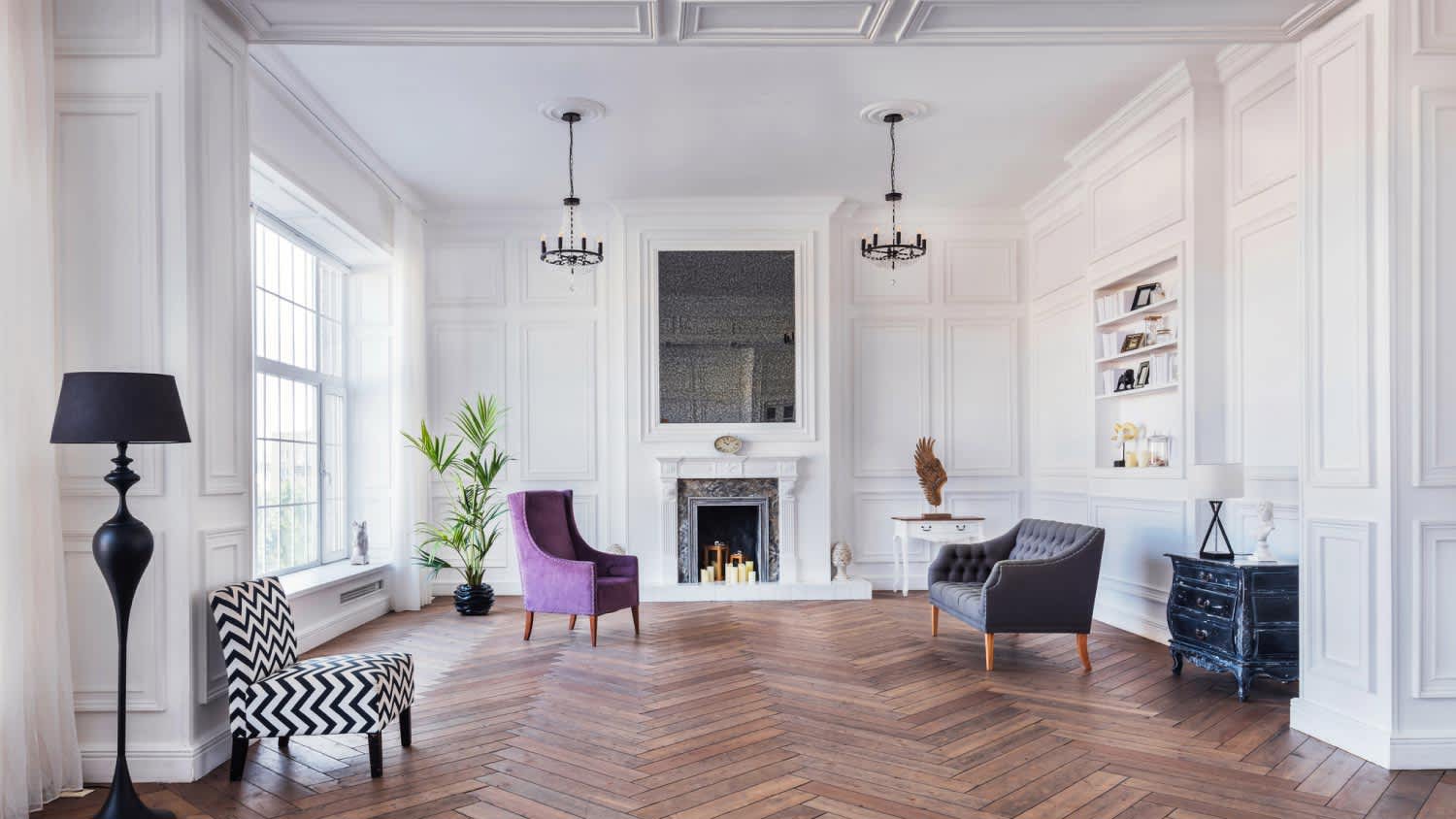
Stone, marble, and brick are common building materials of Neoclassical architecture, though you will also find wood flooring and a range of natural stone tiles. Since several home styles fall under Neoclassical architects' umbrella, a range of building materials—including traditional wood framing—will make an appearance.

In framing, studs are placed at 16-inch intervals to coincide with the typical spacing of wall materials such as drywall or plywood. This spacing is called "on-center" and is necessary for maintaining structural stability and efficient use of materials. The 16-inch spacing also helps to distribute the weight evenly across the building's structure. For those looking to cut material costs and improve energy efficiency, 24-inch stud spacing can be employed through a method called "advanced framing". This requires careful planning and adherence to local building codes to ensure structural integrity.

Most structural engineers offer free quotes, regardless of the size of the job. For simple inspections when buying or selling a home, engineers typically charge a flat fee that may be based solely on your home’s foundation type and square footage. For larger projects, like new construction and major home renovations, an engineer will either perform an analysis of your project and site and provide you with a formal estimate, or they will do a more in-depth assessment and in-person site inspection before coming up with a per-hour or per-project cost estimate. In most cases, the estimate is free.