Top-rated ceramic tile pros.

Get matched with top ceramic tile pros in Grantsburg, WI

Enter your zip and get matched with up to 5 pros

Need a pro for your ceramic tile service project in Grantsburg, WI?

Select your specific project to find the pro for you.

Find Ceramic tile pros in Grantsburg

Twin Cities Tile
New to Angi
Tile: Ceramic and Porcelain - Install - For BusinessTile: Ceramic and Porcelain - Repair- For Business

Serving Grantsburg, WI and surrounding areas

In business since 2017

Free estimates

Offers commercial services

At Twin Cities Tile we pride our ourselves in quality, value, and service! We are experts in our trade and will do our best to keep you as educated as we can on your particular project. We look forward to earning your business! \nWhen you contact us, you'll be given the exceptional customer service you deserve, including free quotes, up-front pricing, and no hidden fees. These benefits are provided to our clients in order to show that our company genuinely cares about customer satisfaction. Give us a call today to schedule your free estimate!

Showing 1-10 of 13
Ceramic Tile questions, answered by experts

The average cost for tile installation is about $2,000, with a typical price range between $500 and $6,500. On a per-square-foot basis, you can expect to pay between $5 and $45 for installation.

Several factors influence the total cost, including:

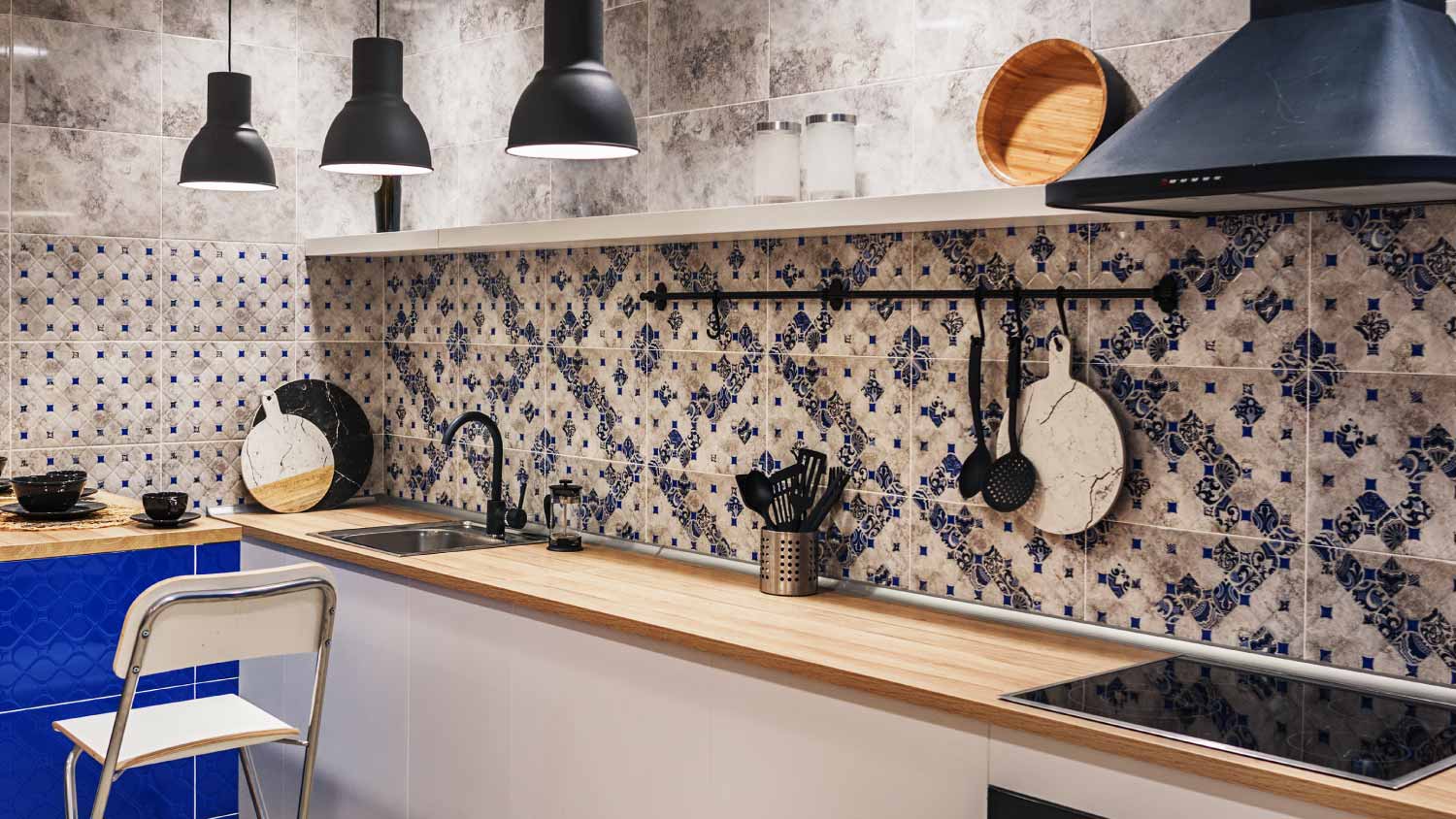
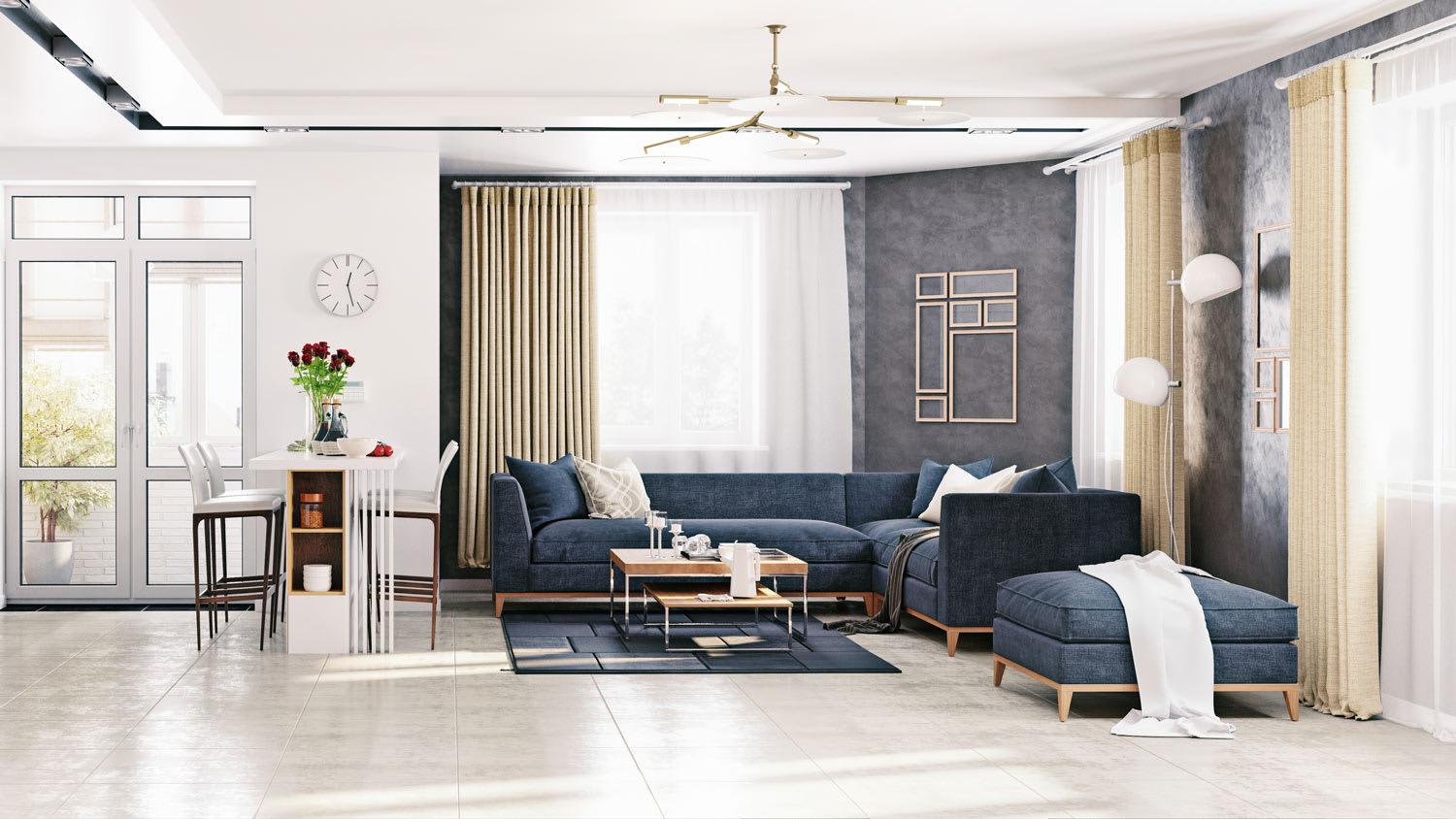
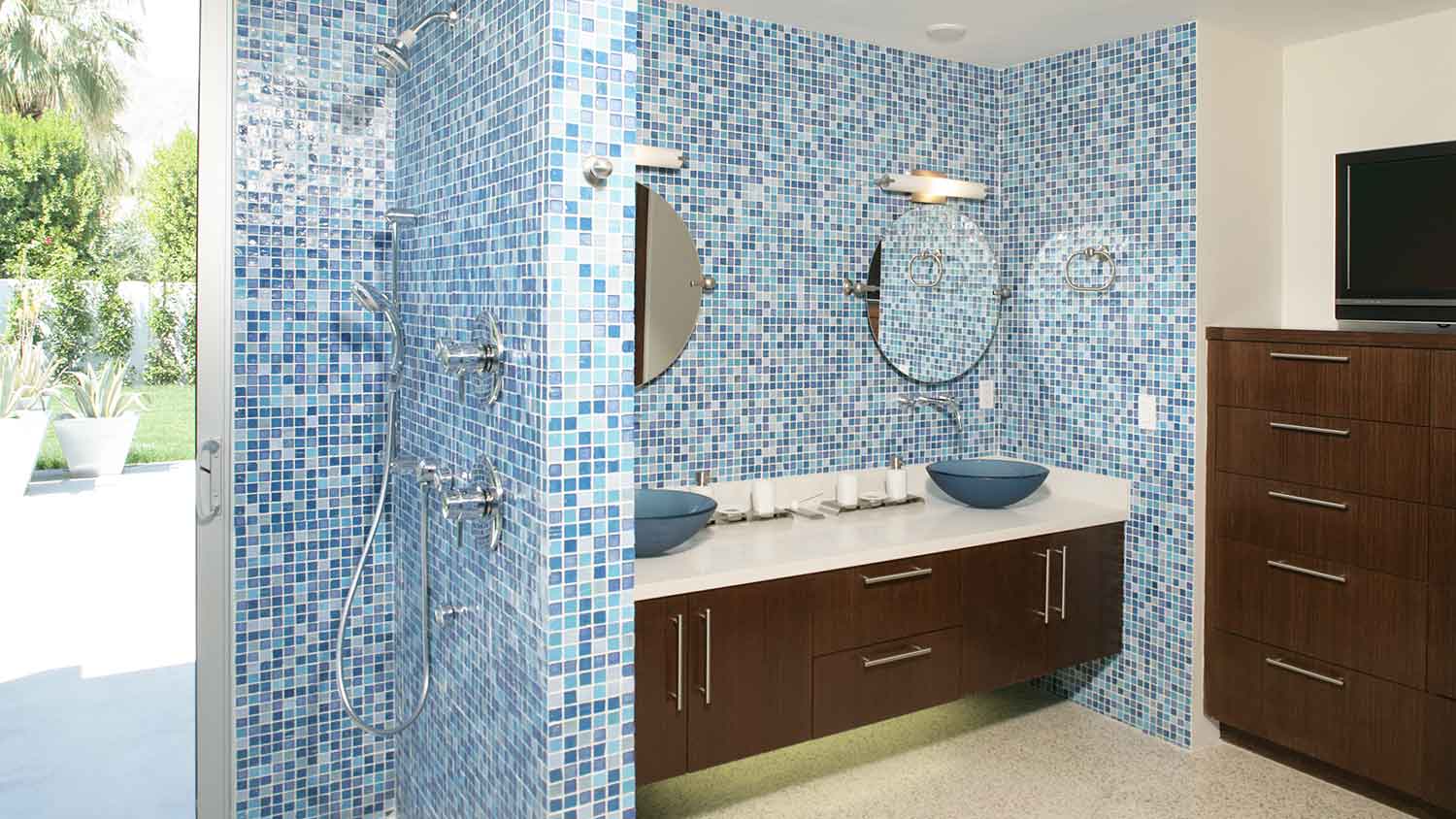
  • Installation Site: Costs vary for different areas. Common project costs are: kitchen floor ($870–$6,100), countertop or backsplash ($500–$3,000), bathroom floor ($300–$2,400), or shower wall ($225–$2,000).

  • Tile Type and Quality: The material significantly impacts price. For example, standard ceramic or travertine tile can cost about $1 per square foot, while luxury options like marble can be as much as $350 per square foot for the material alone.

  • Project Size and Complexity: The total square footage, the complexity of the pattern, and the shape of the tile (e.g., square, rectangle, hexagon, mosaic) will affect labor and material costs.

  • Site Preparation: The amount of prep work needed, such as removing old tile or installing a new subfloor or backer board, can add to the final price.

  • Tile Characteristics: The tile's durability rating and porosity can also influence the price.

  • Location: Labor rates vary by geographic location.

The difference between floor and wall tiles is that floor tiles generally have higher strength and porosity ratings than wall tiles. Wall tiles are typically weaker and more likely to crack or become damaged under sustained pressure like high foot traffic. 

For this reason, avoid using wall tiles on floors and vice versa.

The rule tells you how to cut tile to install it in a corner. The 3/4/5 rule recommends that you should have 3 feet across on one straight line, four feet on the other perpendicular line, and 5 feet of length from the end of one of the lines to the other. You’re making a right triangle with the tile, and the hypotenuse (the line across from where the 3-foot lie and 4-foot line meet) should be 5 feet long.

You can put hot pans on porcelain countertops. Porcelain is highly resistant to heat—it’s manufactured at around 2,500 degrees Fahrenheit, so it can withstand a ton of heat without cracking or damaging. Even though the high heat is a plus, you should still be cautious when putting hot surfaces on porcelain countertops.

Regrouting is cheaper than retiling, and it involves less work. Grout is available in a wide range of colors, making it a cost-effective way to improve the look of any tiled area in your home.

The Grantsburg, WI homeowners’ guide to ceramic tile services

From average costs to expert advice, get all the answers you need to get your job done.