






We can take on a wide range of residential and commercial electrical projects to include full installation for additions and remodels as well as wiring/panel upgrades, and a variety of other projects. We take pride in the quality of our work and our commitment to outstanding results. We look forward to building strong, long-term relationships with our clients and guarantee your satisfaction. We are a small company specializing in creative solutions to your electrical problems while staying within the budget you set forth.

"The furnace took 4 days to get approved( not counting a Sunday) the others were quick but the water heater had to be ordered so without hot water for a week. One ceiling fan was easy but within a year their policy changed and They would not install the one I purchased and had to get a new one approved and then ordered online and took several weeks to get straightened out. Not sure who was at fault, AHS, installer or scheduling with renter. Fee is usually $75 per visit"
My company on reliability, great communication, integrity, and quality work. We are experts in our trade and will do our best to keep you as educated as we can on your particular task or project. We look forward to earning your business! Book with us online or feel free to give us a call today!
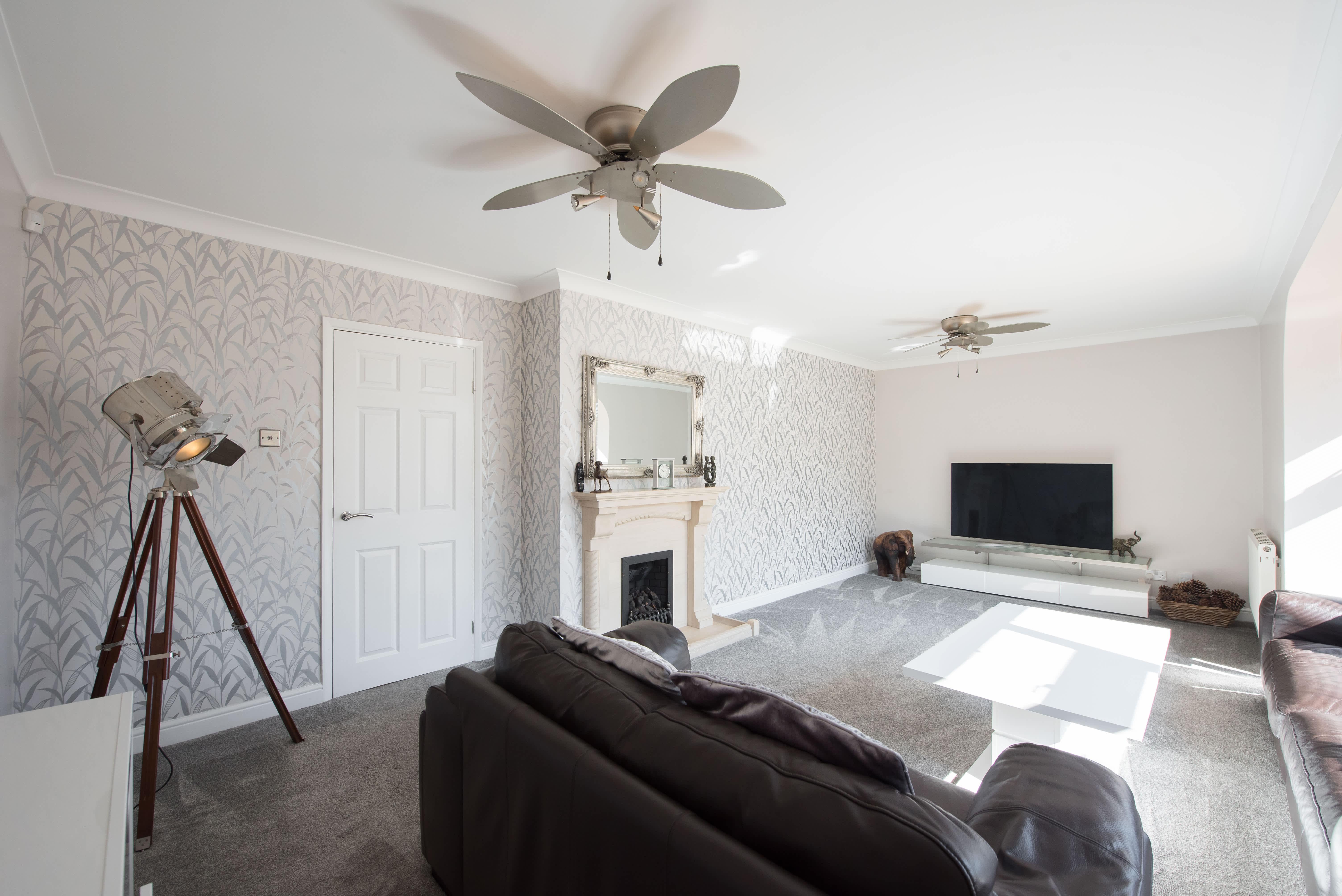
The number of blades for your fan poses both advantages and disadvantages. Typically, the more blades on a fan, the better the air distribution and cooling effect, but this also means that your fan will have more wear on its motor. For small rooms, three-blade fans should work fine. For larger areas like living rooms, four or five-blade fans might be the better option.
Ceiling fans offer multiple benefits for your home. They improve air circulation to prevent stagnant environments and provide cost-effective temperature control, which can reduce reliance on your HVAC system and help lower utility bills. In addition to their functional advantages, ceiling fans can also enhance a room's aesthetic appeal with features like built-in lighting and modern styling.
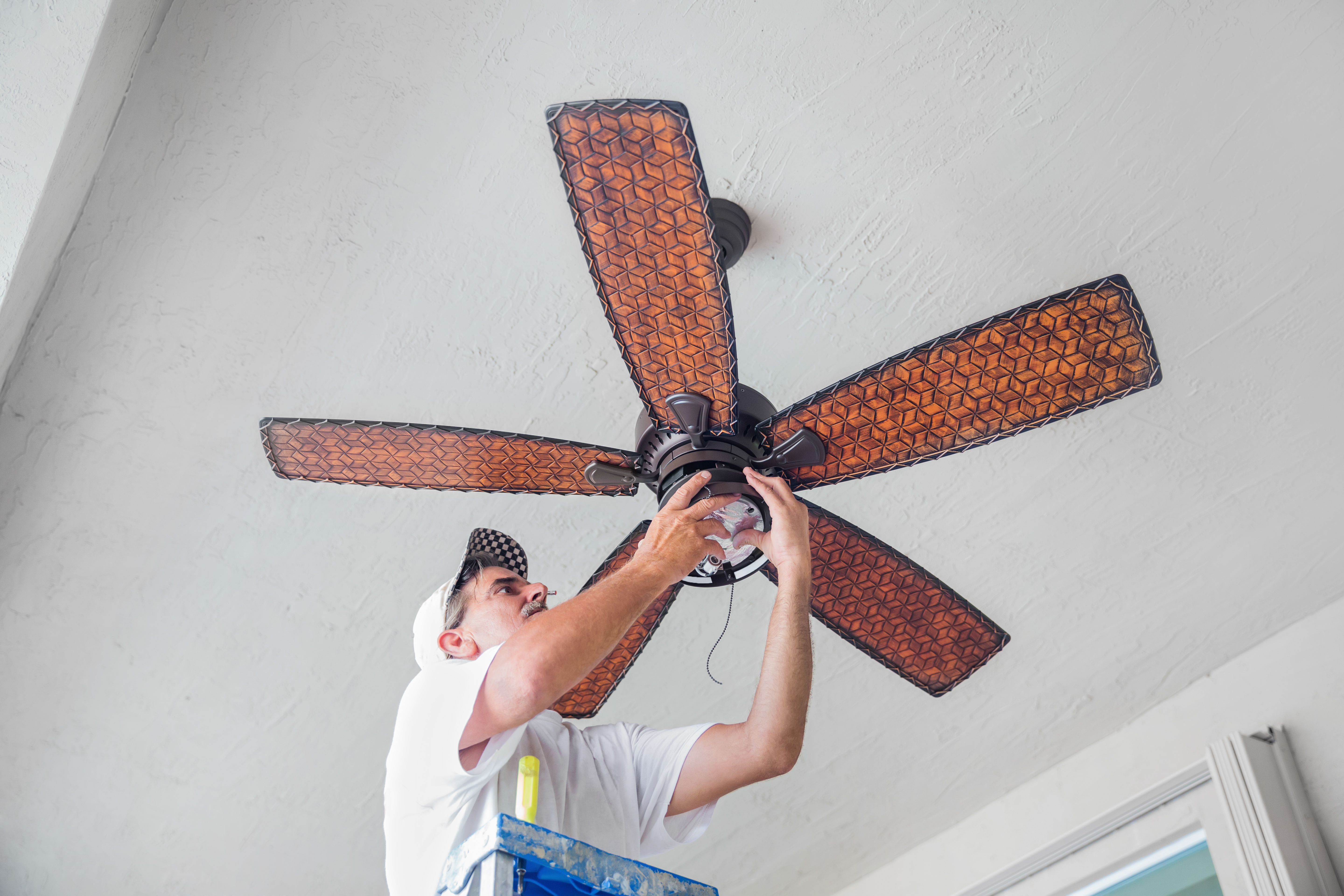
There are many types of ceiling fans available, each designed for different spaces and needs. Standard ceiling fans are the most common type and work well in most rooms. Low-profile ceiling fans are better suited for rooms with low ceilings. Smart ceiling fans can be controlled with a smartphone or voice commands. For larger spaces with ceilings between 10 and 25 feet high, large ceiling fans are ideal. Dual-motor fans have two motors to produce more airflow in multiple directions. You can also find energy-efficient or Energy-Star models that can be up to 60% more efficient, as well as fans with built-in lights or retractable blades.
In short, no. You can use the square footage range chart in this article to determine the right size ceiling fan for both indoor and outdoor spaces. However, weather elements can damage types of ceiling fans that aren't designed for outdoor use, so your ceiling fan should be weather-resistant if you plan to install it outside.
Identifying the source of noises is your first step to soundproofing a room without overspending. Generally, sound comes from inside or outside of the house. Inside noises include creaking floors, living noises like TVs in the living room, cooking sounds, or kids being kids. External noises generally include incremental weather, disturbing neighbors, and street traffic. Inside noises require you to soundproof floors, ceilings, and doors, whereas outside noises may require you to soundproof your attic, windows, and walls facing the streets.
The Genoa, WI homeowners’ guide to ceiling fan services
From average costs to expert advice, get all the answers you need to get your job done.
Discover the cost to install a ceiling fan, including labor, materials, and tips to save. Learn what impacts your price and how to budget for your project.
Ceiling fans cool down your home while stylishly accenting your space. With a variety of types of ceiling fan on the market to choose from, you can’t go wrong.
Although the risk is low, there are a few telltale signs that a ceiling fan will fall off your ceiling. This guide explains when to worry (and when not to).