


Top-rated concrete mudjacking pros.

Get matched with top concrete mudjacking pros in Fennimore, WI

Enter your zip and get matched with up to 5 pros

Need a pro for your concrete mudjacking project in Fennimore, WI?

Select your specific project to find the pro for you.

Find Concrete mudjacking pros in Fennimore

Dickman Enterprises, LLC
New to Angi

Serving Fennimore, WI and surrounding areas

In business since 2015

Free estimates

Credit card accepted

We pride our company on reliability, great communication, integrity, and quality work. We are locally owned and operated. We strongly believe in giving our absolute best in all of our projects no matter how big or small. We are experts in our trade and will always keep you educated on your particular task or project. We look forward to earning your business! Please contact if you are looking for spray foam insulation work in your home, building, project or pole shed.

Response time2 days
Concrete Mudjacking questions, answered by experts

Trenching and boring are two distinct methods for installing underground utilities. Trenching involves digging a channel using equipment like an excavator, trencher, backhoe, or shovel. While it is a simpler process, it causes significant disruption to the surface, landscaping, and surrounding ecosystems.

Boring, also known as directional boring, is a less invasive alternative that uses a drill to create a tunnel for utility lines without disturbing the surface. This method is more precise and is ideal for installations that need to go underneath buildings, roads, or bodies of water. Although boring is less disruptive, it is generally more expensive than trenching.

Yes, expanding foam (also known as polyurethane foam) can lift concrete. This approach, called polyjacking, involves injecting the foam rather than concrete slurry to fill voids and raise the concrete slab back into place. It’s often faster and requires smaller drill holes than traditional mudjacking, though it may come at a higher cost. Some contractors also prefer polyjacking over mudjacking for more damaged and delicate slabs.

A good slump height really depends on the project, but there is a use for nearly all slump levels. For example, low slumps are best in projects that require structure, such as curbs and roads. High slumps often require additional reinforcement, but they flow more freely into hard-to-reach spaces.

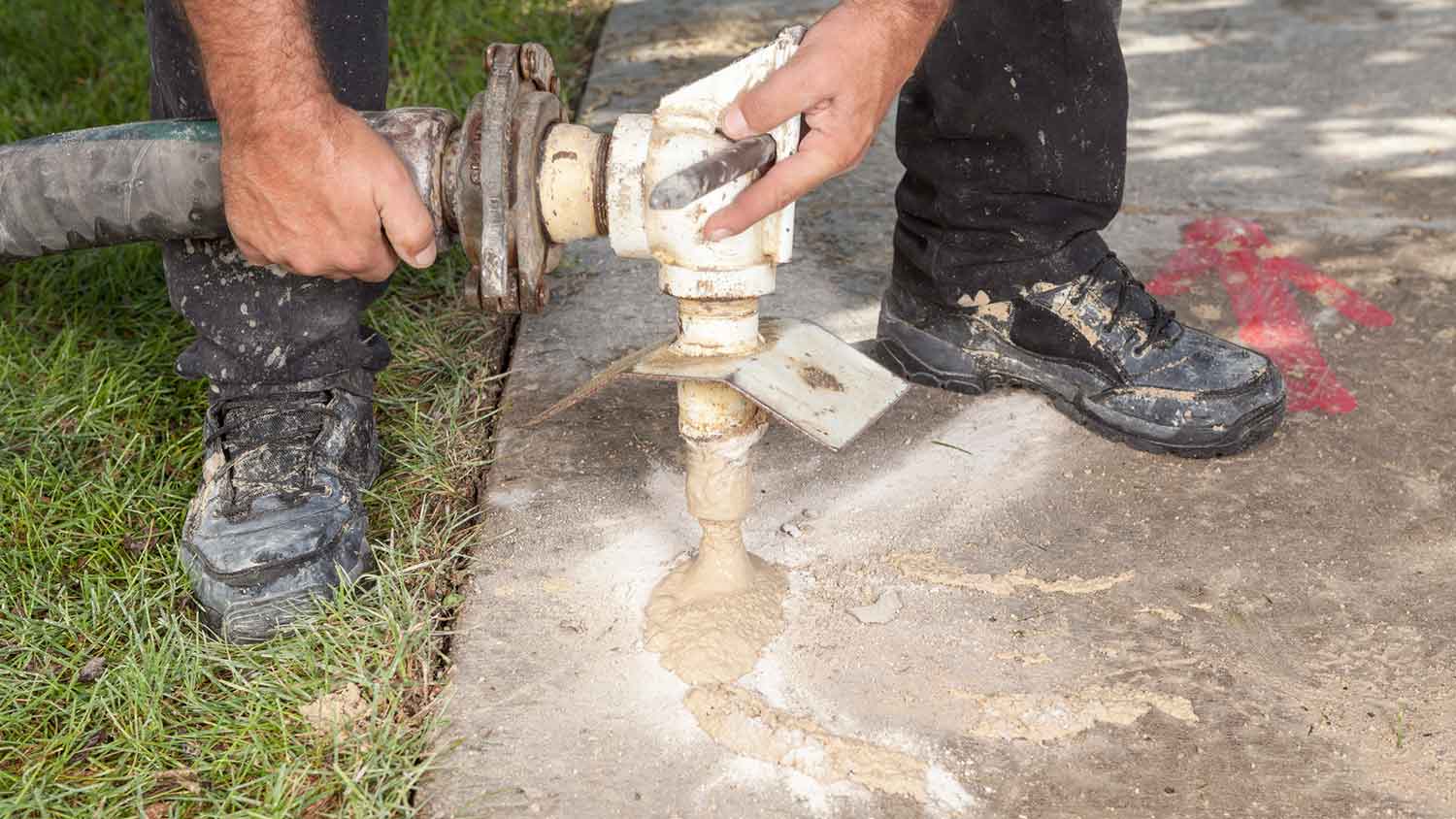
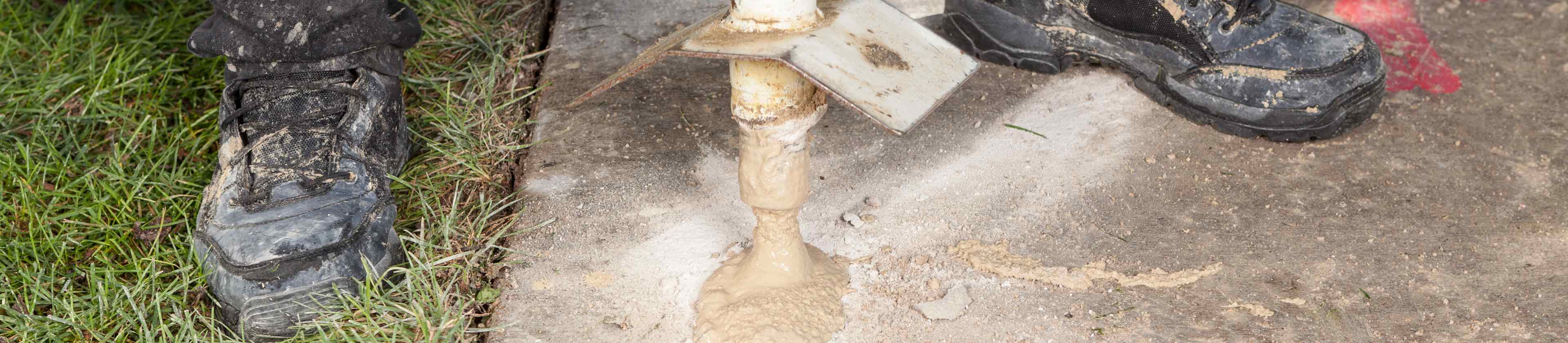
A slurry of cement, sand, and water is injected beneath the concrete to lift and stabilize it.

On average, a mudjacking repair lasts between five and 10 years, though it can sometimes last for well beyond a decade under ideal conditions. Its longevity depends heavily on several factors, including the condition of the underlying soil, environmental conditions like freeze/thaw cycles and erosion, and whether the root cause of the sinking, such as drainage issues, is resolved. Because it doesn't always fix the underlying problem of loose soil, mudjacking is often considered a temporary solution. Proper maintenance and evaluation can help extend its lifespan.

The Fennimore, WI homeowners’ guide to concrete mudjacking services

From average costs to expert advice, get all the answers you need to get your job done.