






Top-rated lead testing and removal specialists.

Get matched with top lead testing and removal specialists in Fall Creek, WI

Enter your zip and get matched with up to 5 pros

Need a pro for your lead testing and removal project in Fall Creek, WI?

Select your specific project to find the pro for you.

Find Lead testing and removal specialists in Fall Creek

Lead Testing and Removal questions, answered by experts

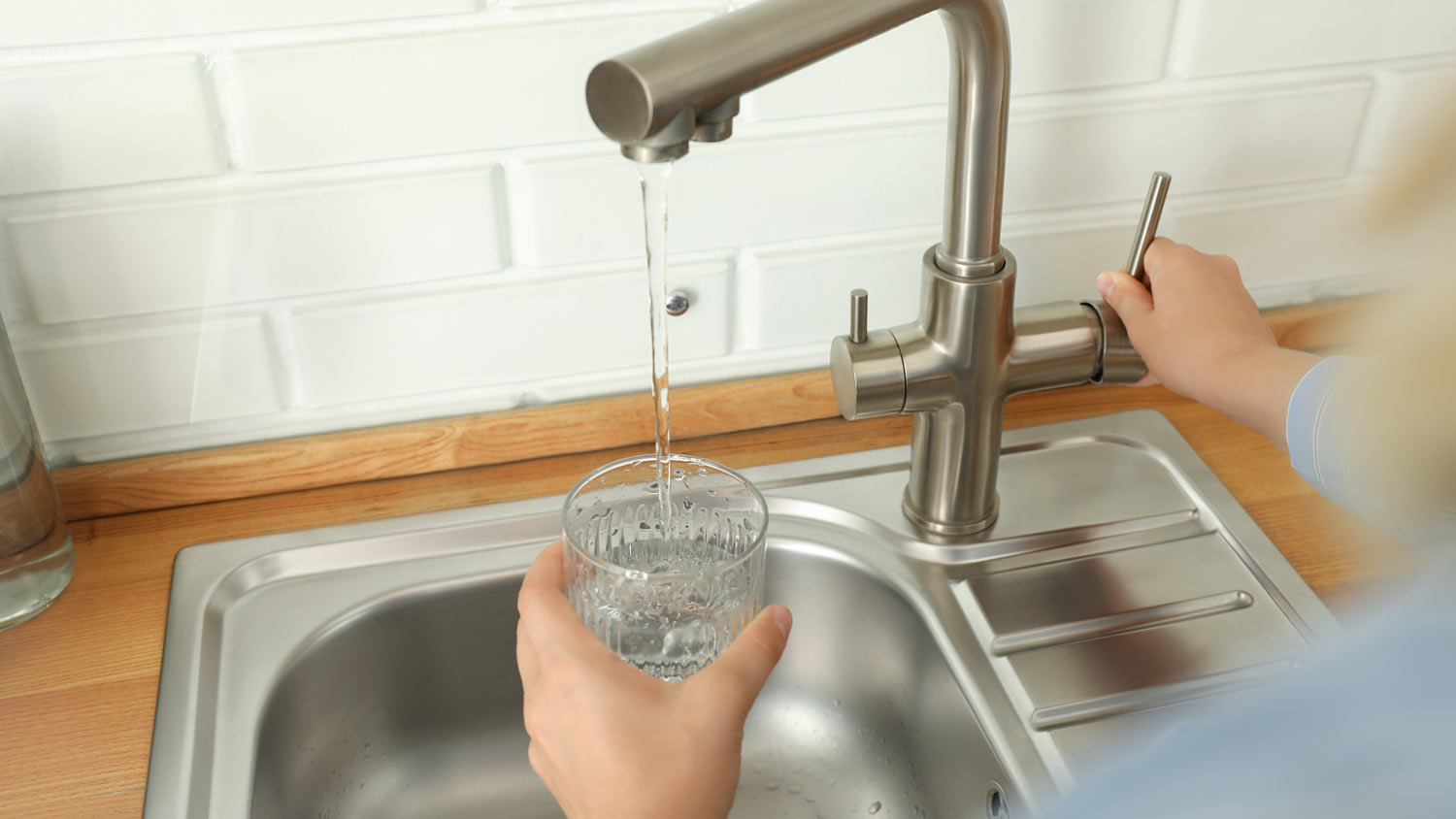
“Testing” can start with your senses: Assessing your water’s appearance, taste, and smell can all be good first steps. The best way to know for sure what’s going on with your water is to use a well water testing kit, which can tell you about the specific levels of bacteria, dissolved solids, and hardness of your water with precision. Have a pro test your well water at least once per year.

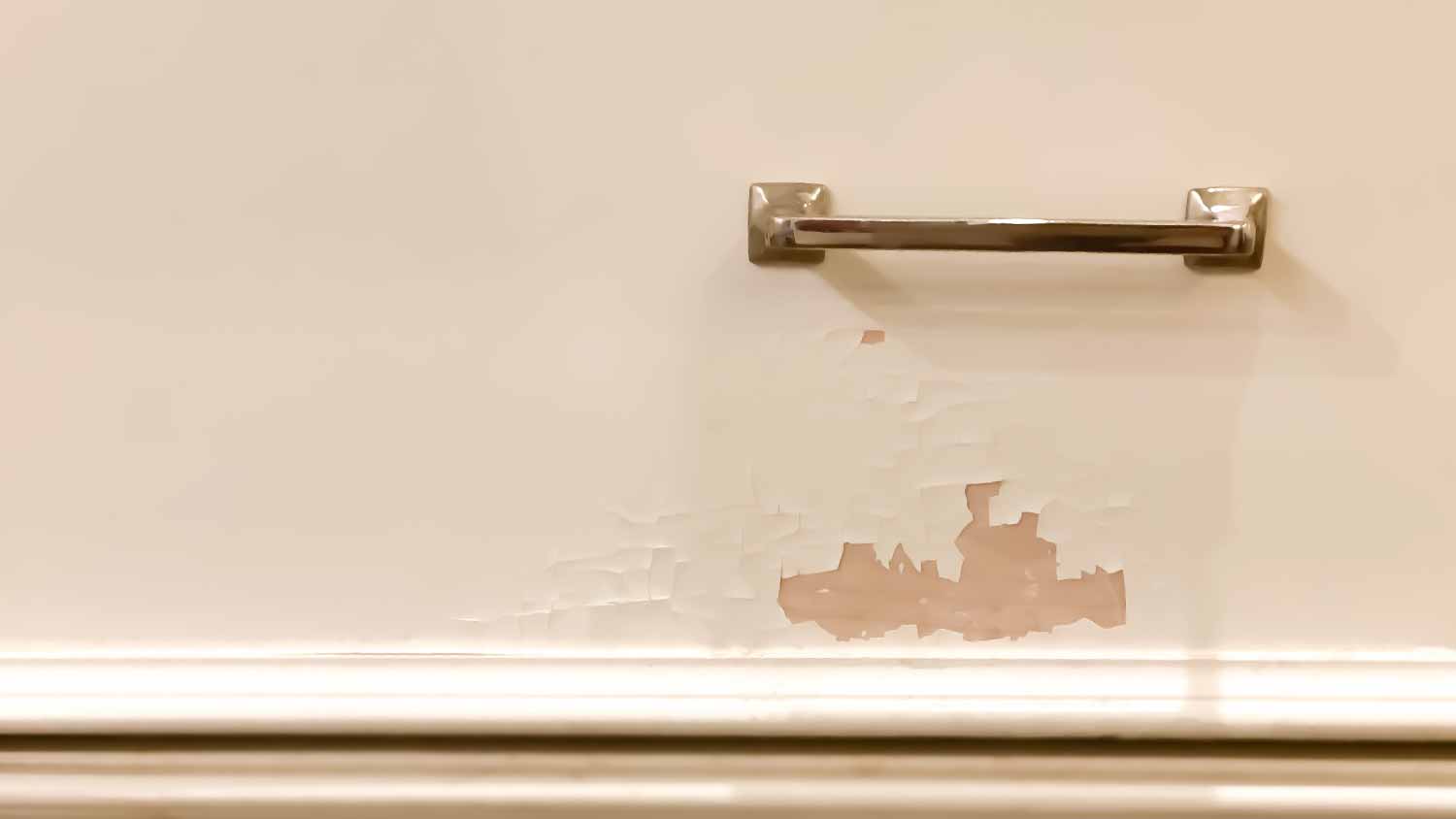
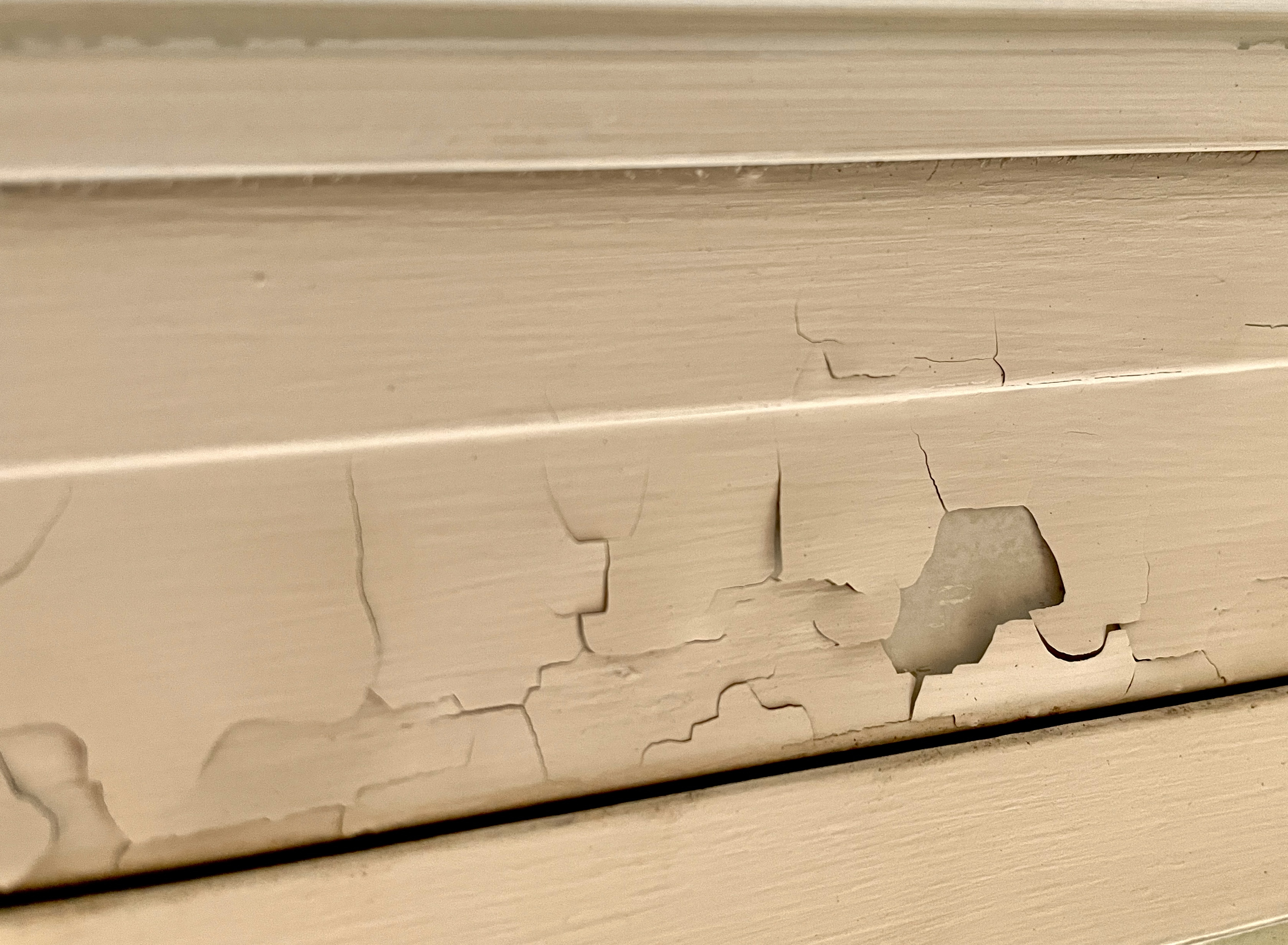
Professional testing for lead paint costs about $300, ranging from about $250 to $700, depending on the square footage, accessibility, and location. However, testing for lead paint with a DIY home-testing kit costs about $25, but doesn’t guarantee accurate results. The U.S. Environmental Protection Agency (EPA) recommends using a lead test kit that complies with the Lead Renovation, Repair, and Painting (RRP) Rule, which has strict criteria for ensuring a more accurate reading.

Common home surfaces to test for lead include:

  • Walls

  • Windows

  • Doors

  • Molding and trim

  • Railings

While not all homes built before 1978 contain lead paint, enough do, so you’ll still want to test to be on the safe side. The federal government banned lead-based paint for homes in 1978, but your state may have banned lead before that time. Around 24% of homes built between 1960 and 1977 contained lead-based paint, while 87% of homes built before 1940 contained lead-based paint.

Several different measurements may be used to determine the amount of lead in water. The most common unit of measurement is micrograms per liter (µg/L), which is the same as parts per billion. Another measurement is milligrams per liter (mg/L), which is the same as parts per million.

Some causes of brown well water—like excess tannins or dissolved iron—don’t pose a health risk. In other cases, harmful bacteria might be the culprit. If your well water has suddenly turned brown, it’s a good idea to use a home water test kit to get a better sense of what’s going on with your water. Consider calling a professional for an expert opinion before drinking the water and hoping for the best.

The Fall Creek, WI homeowners’ guide to lead testing and removal services

From average costs to expert advice, get all the answers you need to get your job done.