




Top-rated deck maintenance specialists.

Get matched with top deck maintenance specialists in Fall Creek, WI

Enter your zip and get matched with up to 5 pros

Need a pro for your deck maintenance project in Fall Creek, WI?

Select your specific project to find the pro for you.

TRUSTED BY FALL CREEK, WI HOMEOWNERS

  • Average homeowner rating star icon4.2
    Average homeowner rating
  • Verified reviews icon10
    Verified deck maintenance services reviews

Find Deck maintenance specialists in Fall Creek

Showing 1-10 of 22
Deck Maintenance questions, answered by experts

Yes, designing builds to fit space constraints and meet functional needs.

The proper height for a stair riser or deck step is between four and seven inches, with seven inches often considered the most comfortable. Building your stairs to this height ensures a strain-free step position and minimizes the risk of trip and fall injuries. For optimal safety and comfort, especially on deck stairs, a rise of around seven inches should be paired with a tread depth (or run) of at least 10 to 12 inches. While it is possible to design stairs with risers up to 12 inches, this height can be challenging for children, pets, or individuals with mobility issues. Always check with your local building codes, as they may mandate specific dimensions that differ from these general recommendations.
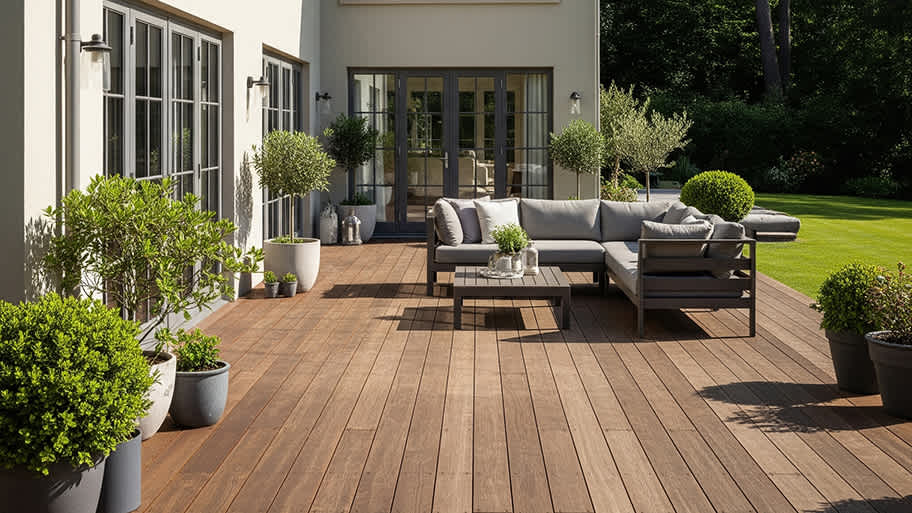
Pressure-treated wood contains preservatives that give the material internal protection from rot and pests. Untreated lumber won’t last more than a few years unless you choose a more expensive wood, like cedar, that naturally stands up well to moisture. Composite decking can outlast wood but is more expensive and doesn’t look as natural. Keep in mind that you’ll need to seal any exterior wood product to protect it from the elements and other forms of external damage.

Yes, deck pier blocks can be used as an alternative to traditional deck footings, particularly for small or low-to-the-ground decks. Unlike poured concrete and buried post footings, deck blocks don’t require digging or pouring. However, their use is regulated by local building codes, and they may not be permitted in areas prone to high winds, earthquakes, or hurricanes. Always consult your local building codes before choosing them for your deck project.

Whether composite decking is better than wood depends on your priorities, especially regarding budget and maintenance. Composite decking offers superior longevity (30 to 50 years) and durability, and it is low-maintenance, requiring no sanding, staining, or sealing. In contrast, wood decks typically last 10 to 30 years and need refinishing every few years. While the upfront cost of composite is higher than wood, the reduced maintenance can lead to long-term savings. If a lower initial cost is the primary factor, wood is the more affordable choice.

The Fall Creek, WI homeowners’ guide to deck maintenance services

From average costs to expert advice, get all the answers you need to get your job done.