"Mike is great at the planning and cost estimate. He gets right to work and works efficiently, finishing in less time and at a lower cost than I had expected. And he does great work! I now have a well insulated garage, and can't thank Mike enough."
Tri-State Mud-Jacking is a locally owned and operated company that values honesty and integrity in all aspects of our business. Our dedicated team of professionals have over 12 years of hands on experience, to provide innovative ideas and suggestions tailored to your projects. Our services are customized to your individual needs, paying close attention to the details of each project that we are involved with. Please feel free to contact us today!
We pride our company on reliability, great communication, integrity, and quality work. We are locally owned and operated. We strongly believe in giving our absolute best in all of our projects no matter how big or small. We are experts in our trade and will always keep you educated on your particular task or project. We look forward to earning your business! Please contact if you are looking for spray foam insulation work in your home, building, project or pole shed.
A good slump height really depends on the project, but there is a use for nearly all slump levels. For example, low slumps are best in projects that require structure, such as curbs and roads. High slumps often require additional reinforcement, but they flow more freely into hard-to-reach spaces.
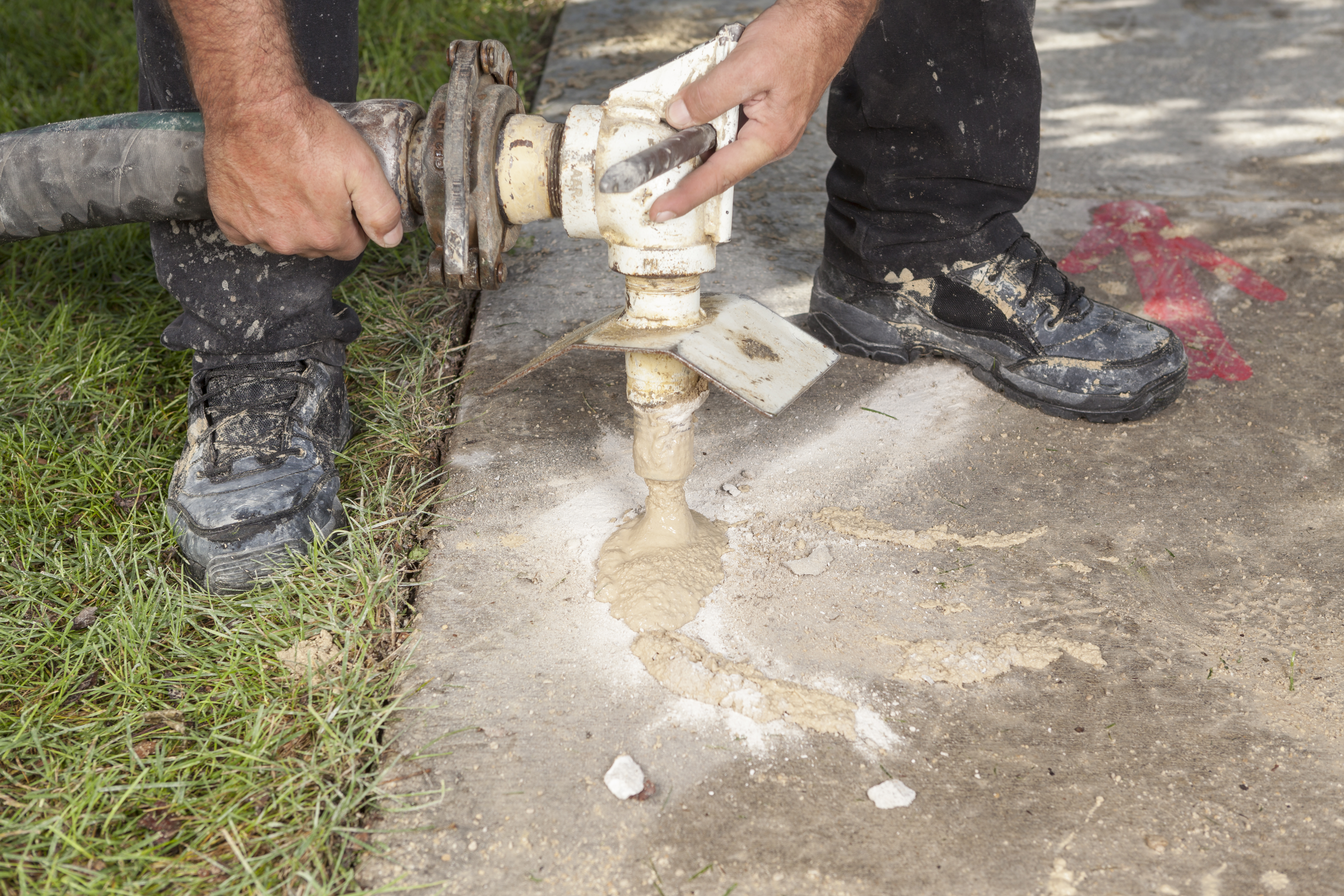
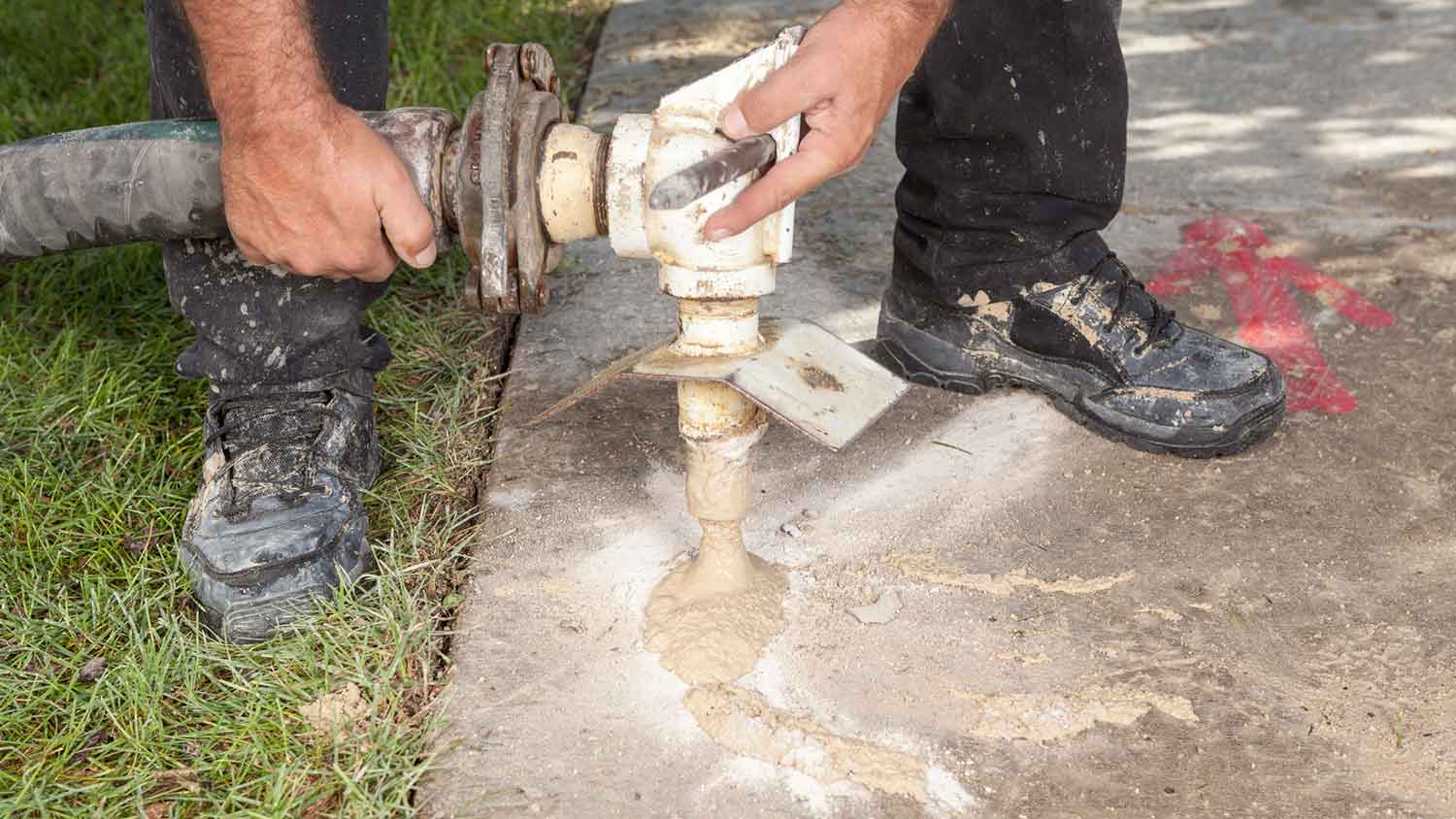
A slurry of cement, sand, and water is injected beneath the concrete to lift and stabilize it.
Concrete leveling is not typically covered by insurance. In some cases where the shifting concrete is caused by a natural disaster or storm, you may be able to file an insurance claim if your policy specifically covers those circumstances. In most cases, though, you’ll pay out-of-pocket for concrete leveling.
Yes, expanding foam (also known as polyurethane foam) can lift concrete. This approach, called polyjacking, involves injecting the foam rather than concrete slurry to fill voids and raise the concrete slab back into place. It’s often faster and requires smaller drill holes than traditional mudjacking, though it may come at a higher cost. Some contractors also prefer polyjacking over mudjacking for more damaged and delicate slabs.
Polyjacking and mudjacking can both be effective solutions for sinking concrete, but they have key differences. Polyjacking, which uses expanding polyurethane foam, is often considered a better option because the foam is significantly lighter than the cementitious material used for mudjacking. This reduced weight puts less pressure on the underlying soil and lowers the risk of future sinking. Polyjacking is suitable for any sinking concrete slab, while mudjacking is typically only recommended for non-structural concrete, such as sidewalks, patios, pool decks, and driveways. The primary drawback of polyjacking is its cost, which can be up to four times higher than mudjacking—as much as $25 per square foot compared to a maximum of about $6 per square foot for mudjacking.
The Arkdale, WI homeowners’ guide to concrete mudjacking services
From average costs to expert advice, get all the answers you need to get your job done.
DIY mudjacking is an advanced task, but learning how to raise a concrete slab is great to know for many scenarios. Let's take a look at how to DIY mudjack.