


Top-rated radon detection and reduction specialists.

Get matched with top radon detection and reduction specialists in Adams, WI

Enter your zip and get matched with up to 5 pros

Need a pro for your radon detection and reduction project in Adams, WI?

Select your specific project to find the pro for you.

Find Radon detection and reduction specialists in Adams

Avatar for PureTech Home Services LLC
PureTech Home Services LLC
5.0(
9
)

Serving Adams, WI and surrounding areas

Approved

In business since 2025

Free estimates

Emergency services offered

"They were very timely and even stopped the day before their personal trip to give me the estimate and setup a time to start the work couldn't have asked for a better Pro/experience"
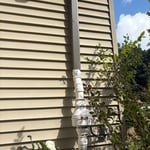
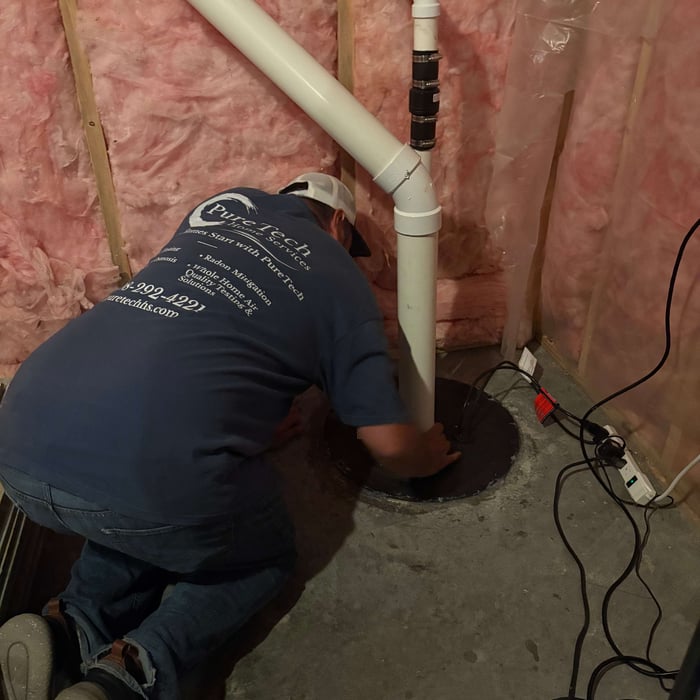
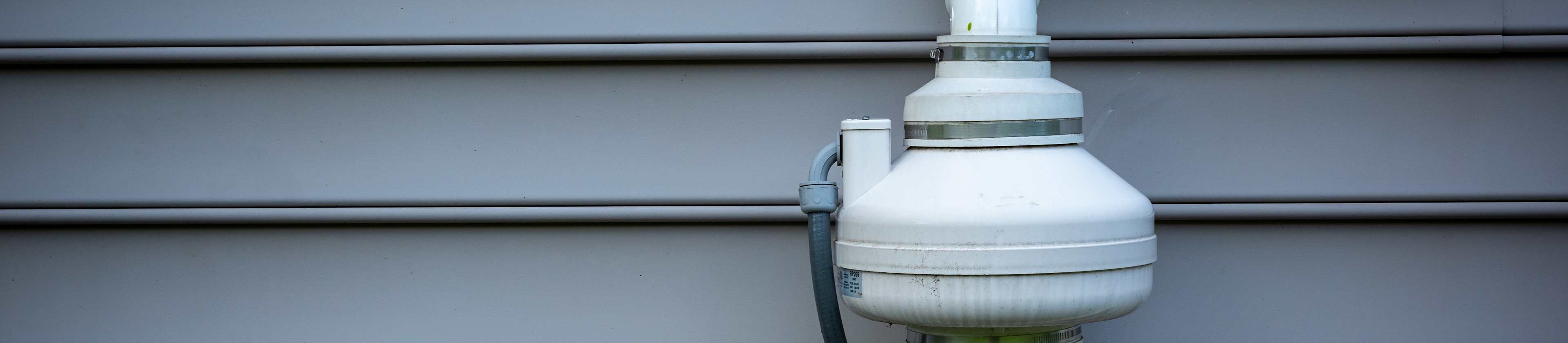
Radon Abatement Fan
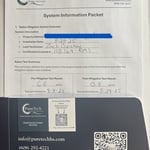
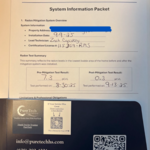
Before / After Test
After Mitigation
Pre & Post Test
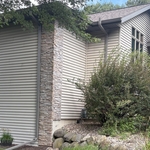
System Install

+6

Response time3 hrs
Response rate96%
5 neighbors recently requested a quote
Radon Detection and Reduction questions, answered by experts

Radon enters your home when warm air begins to rise and exits through the roof, creating a vacuum that pulls cooler air from under the foundation. Part of that air is radon, which is an invisible, odorless gas that develops naturally when radioactive particles are deep within the ground. Those particles usually come from decaying matter in soil and rocks.

The cost to replace a radon fan ranges from $300 to $600 for the fan itself, with installation adding an additional $200 to $500. Overall, the total cost for replacement can range from $500 to $1,100, depending on factors such as the fan model, home size, and local labor rates. If the fan is part of a larger radon mitigation system, the price may be higher.

A homeowner can install a radon mitigation system on their own. But it’s a challenging DIY that requires a lot of knowledge about radon mitigation as well as familiarity with local regulations. You do not want to risk an improper installation that leaves the system unable to detect radon or gives it a shortened life span. Relying on a professional is the surest way to guarantee a successful installation.

The soil beneath your house is most likely what’s causing an increased level of radon. This is because soil holds radioactivity for a long time and it’s also what most buildings are built on. Another common source of radon is water from a source that hasn’t been through periodic radon tests, such as well water. Over time, the radon from the soil can inhabit other parts of your house like the foundation or plumbing.

Keeping radon from getting into your home is much better than having to get rid of it once it's already indoors. While there may not be a way to fully prevent radon from getting into your home, there are things you can do to reduce the gas's ability to enter. 

Sealing foundation cracks and openings can help keep the gas from seeping inside. Improving air flow, such as by opening windows, can also be helpful. If you're building your home from scratch, talk to your contractor about using radon-resistant construction to keep the gas out.

The Adams, WI homeowners’ guide to radon detection and reduction services

From average costs to expert advice, get all the answers you need to get your job done.