We take great pride in our experience, expertise, quality, and customer service that we provide to meet the consumers needs. It is our mission to provide excellent workmanship and complete customer satisfaction from start to completion of a project. In order to understand the needs and expectations of our customers, we take great care to work and communicate with every customer in a professional manner. Our reputation is based on service, safety, and quality, regardless of how large or small the job.\n
Our company has been satisfying local customers in Northeast Wisconsin with their water purification needs for over 13 years. We understand the need to have clean water and we will show you alternatives to your water issues. We will guarantee all of our workmanship. All references will be provided upon request.
Softener systems extend appliance life spans, improve skin and hair health, and reduce pipe buildup by removing minerals like calcium and magnesium.
Softened water prevents scale deposits, reducing appliance wear, leading to energy savings and longer-lasting household fixtures.
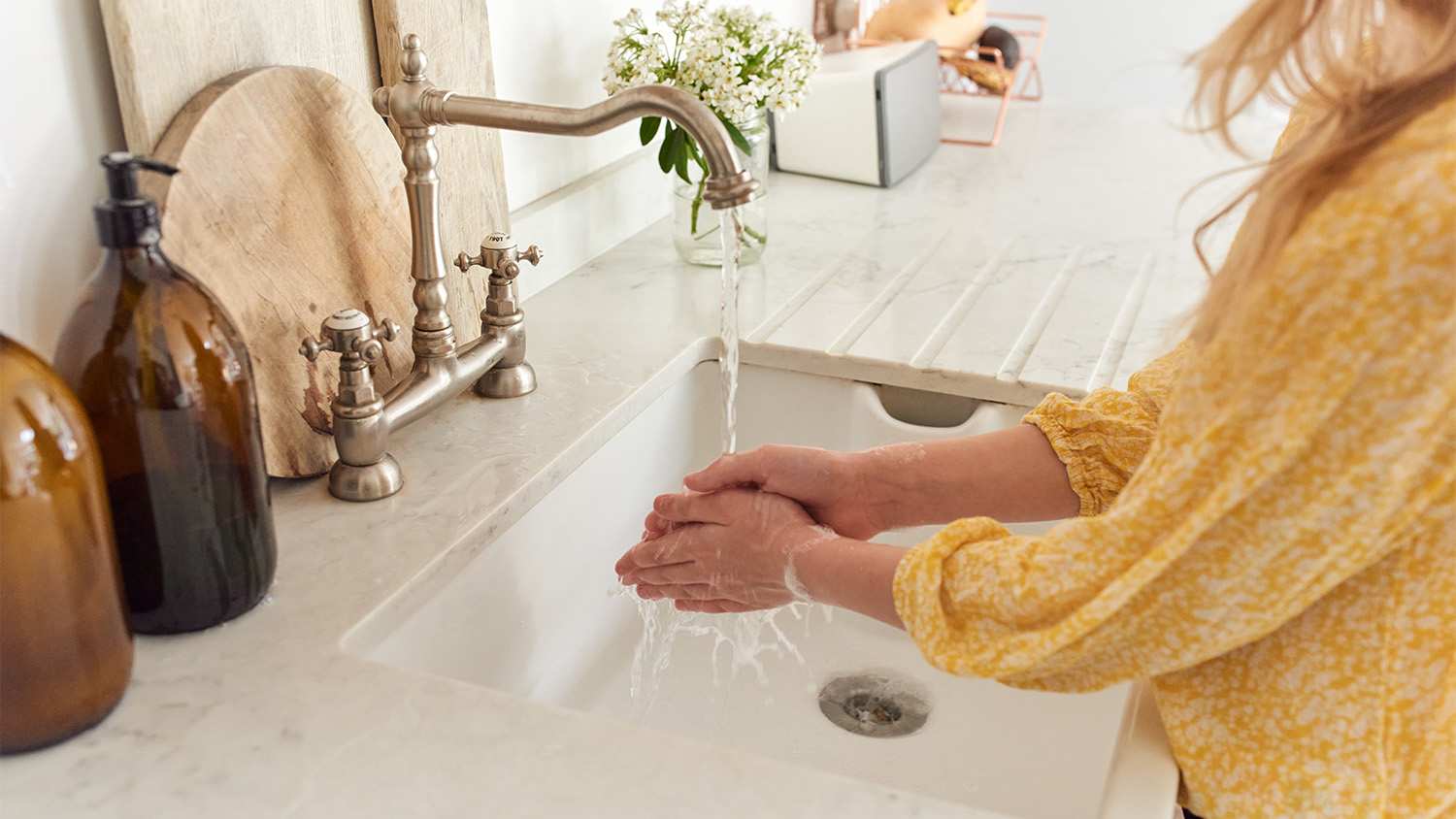
Hard water doesn’t hurt, but it might feel more abrasive, especially if you have sensitive skin. It’s also about how your skin feels after bathing. You might feel as though you have a sticky film over your body because you do—it’s all that soapy residue left behind because the hard water can’t rinse it off completely.
Replacing a water softener costs $200 to $6,000, depending on the capacity of the water softener, the type of water softener, and the amount of people living in your home. An ion exchange water softener is the most common type and costs $500 to $3,000. Water distillers, which cost $1,200 to $4,000, and dual-tank models, which cost $1,000 to $5,000, are definitely pricey, but they offer more filtration or capacity, respectively.
You can use a commercial water repellent treatment for glass on your shower doors to prevent water spots. Take care to only apply the product to glass. Letting air circulate also helps prevent water spots, as water is less likely to remain on the glass for a long time with good air circulation. Run your vent fan, open a window, and leave the shower door open for about half an hour after using the shower.
The Abrams, WI homeowners’ guide to water softener services
From average costs to expert advice, get all the answers you need to get your job done.
Water softeners work to remove unwanted minerals from hard water through a filtration and recharge cycle. Keep reading to learn how a water softener works.
There are four common softener alternatives available on the market today. We compare and contrast each one to help you find your best-fit solution in this blog.
Water softeners rid your home of hard minerals and, well, soften your water. Even better, the regeneration process is an automatic cycle that works when you’re least likely to use it.
Water softeners remove hard minerals from your tap water, improving plumbing systems and water-using appliances. Here are the most efficient water softeners out there.