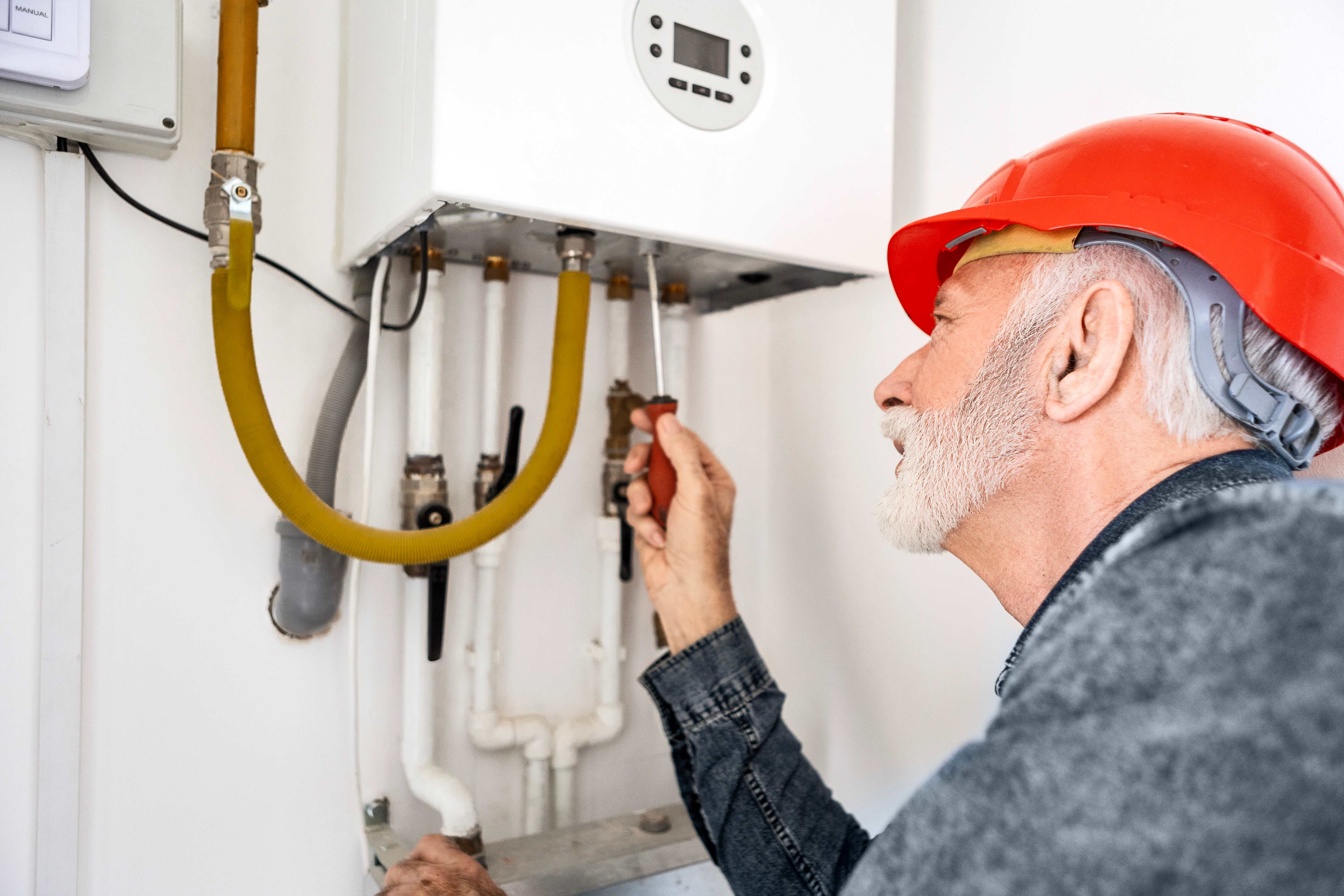
We take great pride in our experience, expertise, quality, and customer service that we provide to meet the consumers needs. It is our mission to provide excellent workmanship and complete customer satisfaction from start to completion of a project. In order to understand the needs and expectations of our customers, we take great care to work and communicate with every customer in a professional manner. Our reputation is based on service, safety, and quality, regardless of how large or small the job.\n
"We pay yearly but we have this is included with our rental property. They are pretty good on most things. We had a hot water heater replaced and they did an excellent job on that. They are very quick on their response. They dont come out here. It is all done on the internet. I just like the idea that one time service charge is so much better than trying to hiring someone to come in. It is more about convenience. It pays for itself."
Owner operated. I am Jack of all trades. No job to big or small. We do everything from hauling to painting , Plumbing electrical , rental unit turnovers , trash outs roofing , windows and doors. My contact information has been outdated on here for a while. sorry to any customers who tried to reach me. And as always a 20% VETERANS & senior discount.
Depending on the brand of water heater, you may need to install an expansion tank in order to meet the conditions for warranty coverage. It’s important for consumers to read the fine print of the warranty to see if an expansion tank is necessary. Even if an expansion tank isn’t required for the warranty, it’s usually mandated by building codes—although not for tankless water heaters.
Due to the high temperature, using stainless steel vent pipes for your tankless water heater’s exhaust vent is best. Also, it is safe to use a flexible vent duct as the exhaust fan. If installing the exhaust fan yourself, make sure you are using heat-resistant silicon to connect the exhaust vent and the duct on your water heater.
The standard copper wire gauge to use with any 30-amp circuit is a 10-gauge wire. The National Electric Code specifies a 10-gauge wire with appliances like water heaters running on 30 amps. If you try to use a smaller gauge wire, such as a 12 gauge, with a 30-amp breaker, you run the risk of the wire overheating and melting or causing a fire. Because of the safety hazards, the gauge of the wire is not an area to try to cut costs when connecting a 30-amp breaker to a water heater.
If your system is not vented properly, you could experience what’s called backdrafting. Backdrafting is when your ventilation system isn’t working as it should, and instead of releasing gases outside, they get trapped inside your home.
Gas and propane water heaters create a few types of combustion gases, but the most dangerous is carbon monoxide. If there’s too much build-up of these gases inside your home, it can lead to carbon monoxide poisoning.
Going from a tank to a tankless water heater is one of the most effective ways to lower your utility bills. The switch also frees up more space and ensures a consistent hot water supply, as the water is heated on an as-needed basis. It costs between $5,400 and $7,400 to install a new tankless water heater. Most installation companies will also help dispose of your old water tank.
The Abrams, WI homeowners’ guide to water heater services
From average costs to expert advice, get all the answers you need to get your job done.
Looking to replace or upgrade your water heater? Use this water heater replacement cost guide to see what the work will cost and what factors affect your total.
A water heater flush costs $160 on average but can vary based on the unit size, type, labor, location, and more. Keep reading to learn how much you could pay.
Find out the average tankless water heater repair cost, what impacts pricing, and how to save. Get expert tips to plan your repair budget with confidence.
Who can install a water heater for you? Look to hire a water heater installation pro or a licensed plumber for this job because of the challenges involved.
The average lifespan of water heaters is 6 to 15 years for conventional models and up to 20 for tankless ones, but it can be less if they are not properly maintained.