
Top-rated welders.

Best welders near Tulalip, WA

Enter your zip and get matched with up to 5 pros

Need a pro for your welding project in Tulalip, WA?

Select your specific project to find the pro for you.

TRUSTED BY TULALIP, WA HOMEOWNERS

  • Average homeowner rating star icon4.6
    Average homeowner rating
  • Verified reviews icon10
    Verified welding services reviews

Top-Rated Welders in Tulalip - Updated Nov 2026

Avatar for EStrainMetalWorks
EStrainMetalWorks
4.2(
16
)
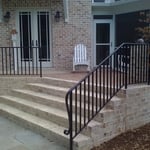
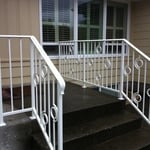
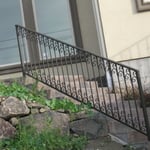
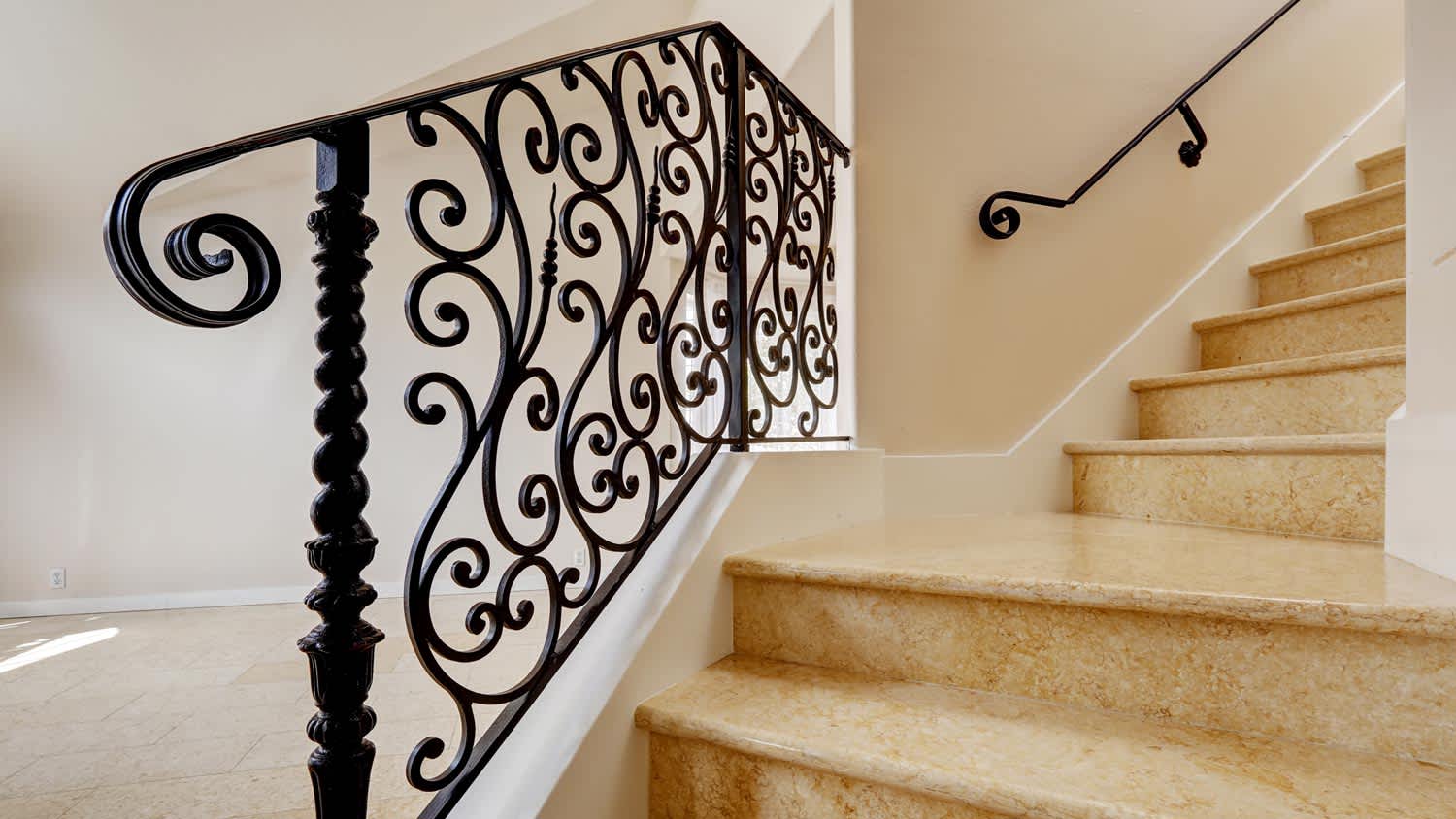
Metal Stairs and Railings - Repair

Serving Tulalip, WA and surrounding areas

Approved

In business since 2011

Free estimates

Customers say: Quick response

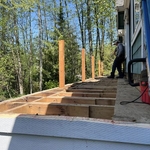
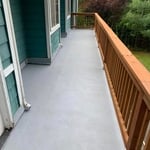
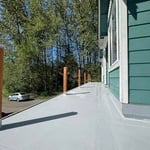
"Eric did an excellent job of designing, fabricating and installing new front porch railings for us. It is a clean and handsome installation. I will use him again for other projects!"
Ballard Railing
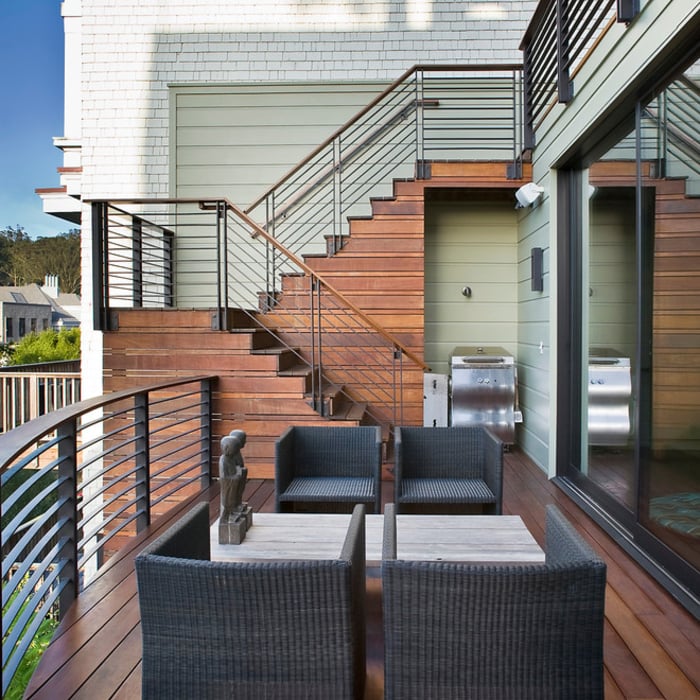
Madison Park Deck
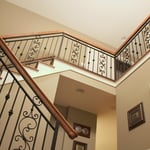
Interior railing Lake City Way
Powder coated railing
Response time5 hrs
20 neighbors recently requested a quote
Recommended by76%of homeowners
...
Showing 1-10 of 94
Welding FAQs, answered by experts

This all depends on the tools you have on hand and whether you’re trying to cut a straight line or shapes. 

The best tool to use for straight lines is either a circular saw or table saw. When cutting shapes, a jigsaw will be the easiest and most precise tool to use. 

To maintain custom or fabricated metal structures and extend their lifespan and appearance, perform regular cleaning, apply rust prevention treatments, and use protective coatings.

Welders use a variety of methods in their trade. Different types of welding are better suited for different purposes and contexts. For example, stick welding is a versatile form suitable for most metals and alloys. The most common types of welding include:

  • Stick welding: $100–$1,000

  • Metal Inert Gas (MIG) welding: $250 and up

  • Tungsten Inert Gas (TIG) welding: $250 and up

  • Gas welding: $150 and up

  • Forge welding: $15–$25 per hour

Cutting rectangular ductwork requires careful measurements and the right technique. Use a measuring tape and pencil to mark the cutting lines accurately. Tin snips are excellent for straight cuts on smaller ducts. For more extensive or thicker rectangular ducts, a reciprocating saw with a metal-cutting blade is effective. 

Ensure the duct is well-supported and secure while cutting to prevent wobbling and maintain precision. After cutting, use a metal file to smooth any sharp edges, ensuring safety during installation. 

It will likely take an experienced pro less than an hour to install a ground rod, which is another reason why letting them handle the job is such a good idea. Safety concerns aside, it would likely take you much longer to install a ground rod if you decided to take this one as a DIY job.

The Tulalip, WA homeowners’ guide to welding services

From average costs to expert advice, get all the answers you need to get your job done.