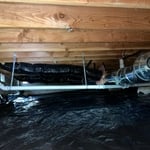
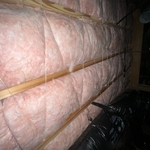
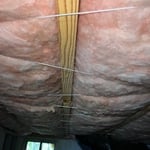
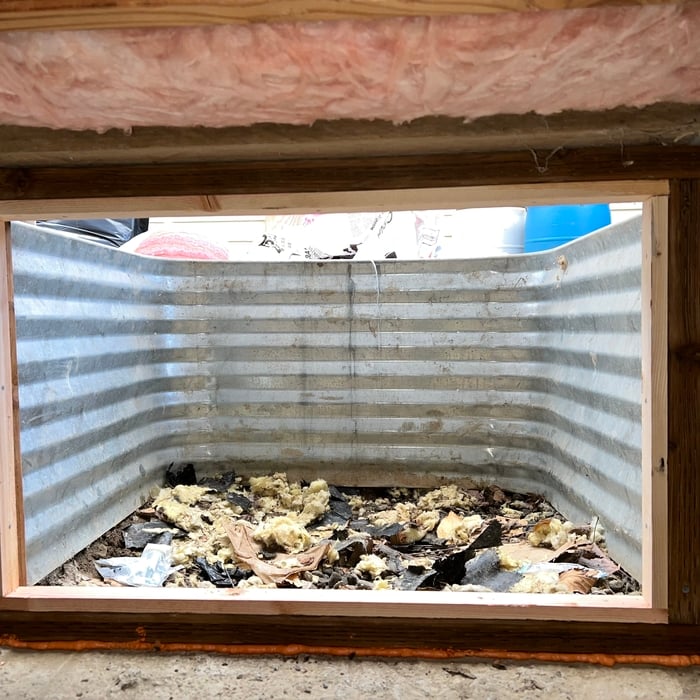
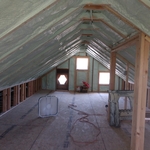
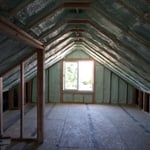
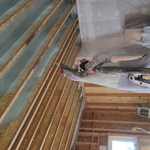
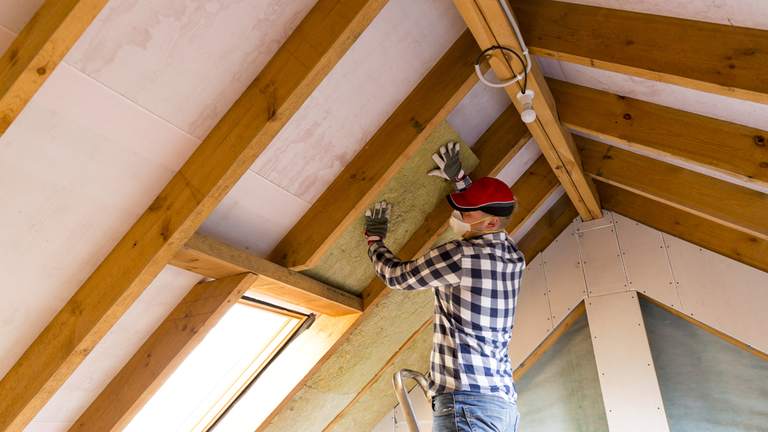
"Very professional, customer friendly. Answered any questions that we had. On time, cleaned after they were done. If we have insulation need in the future or if family/friends need any insulation needs, we would recommend them."
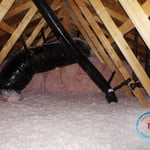
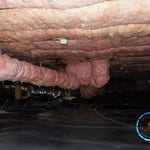
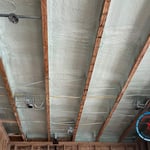
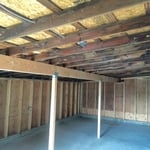
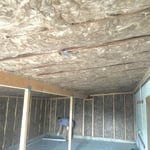
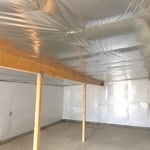
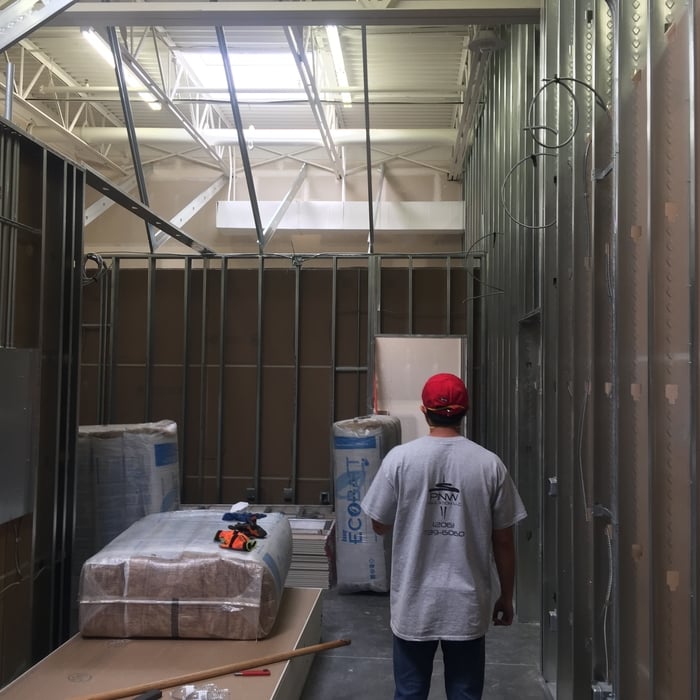
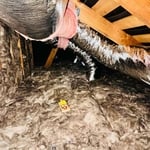
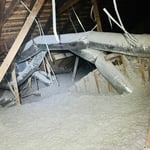
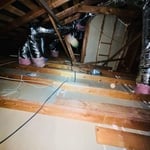
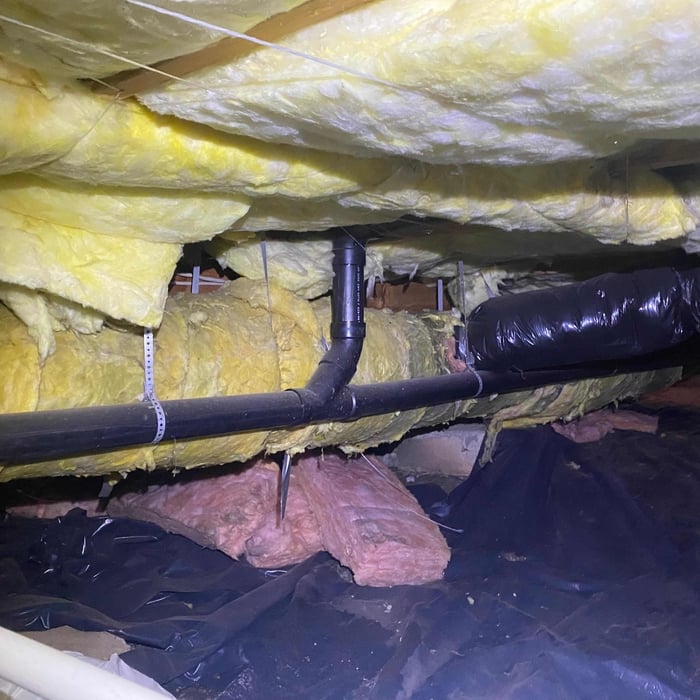
"Insulation NW did an excellent job of removing old inadequate insulation from an attic and crawlspace and replacing it with new insulation and wrapping the ductwork. They had two crews, one for the attic and one for the crawlspace, working for many hours to complete the job. A vapor barrier was also installed in the crawlspace. We paid a very reasonable price after the large PSE Rebate was applied."
"We were considering upgrading our insulation but weren't sure if it was worth the investment. After consulting with Lake Atitlan Insulation, they convinced me it was the right choice. The insulation they installed not only made our home more comfortable but has already saved us money on energy costs."
"EvergreenPro came out to repair insulation under my house and they did a wonderful job and cleaned up everything. They even gave me pictures of the completed project."
"Unbelievable company such great work. John is one of the best business man I have ever dealt with he deserves 20 stars. And his crew does to if you ever need insulation go here. No place else. Best in the state 👍👍👍👍👍"
A G INSULATION LLC is committed to excellence in every aspect of our business. We uphold a standard of integrity bound by fairness, honesty, and personal responsibility. Our distinction is the quality of service we bring to our customers. Accurate knowledge of our trade combined with ability is what makes us true professionals. Above all, we are watchful of our customers' interests, and make their concerns the basis of our business.
\n
"I’m very satisfied with the insulation work performed under my house. My home is now toasty warm on my feet. Phillip and his worker showed up on time, went about their work and cleaned up the mess created in the process. I am greatful that I found such a competent company."
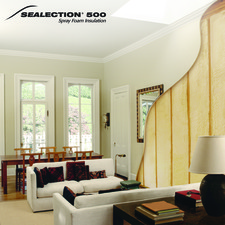
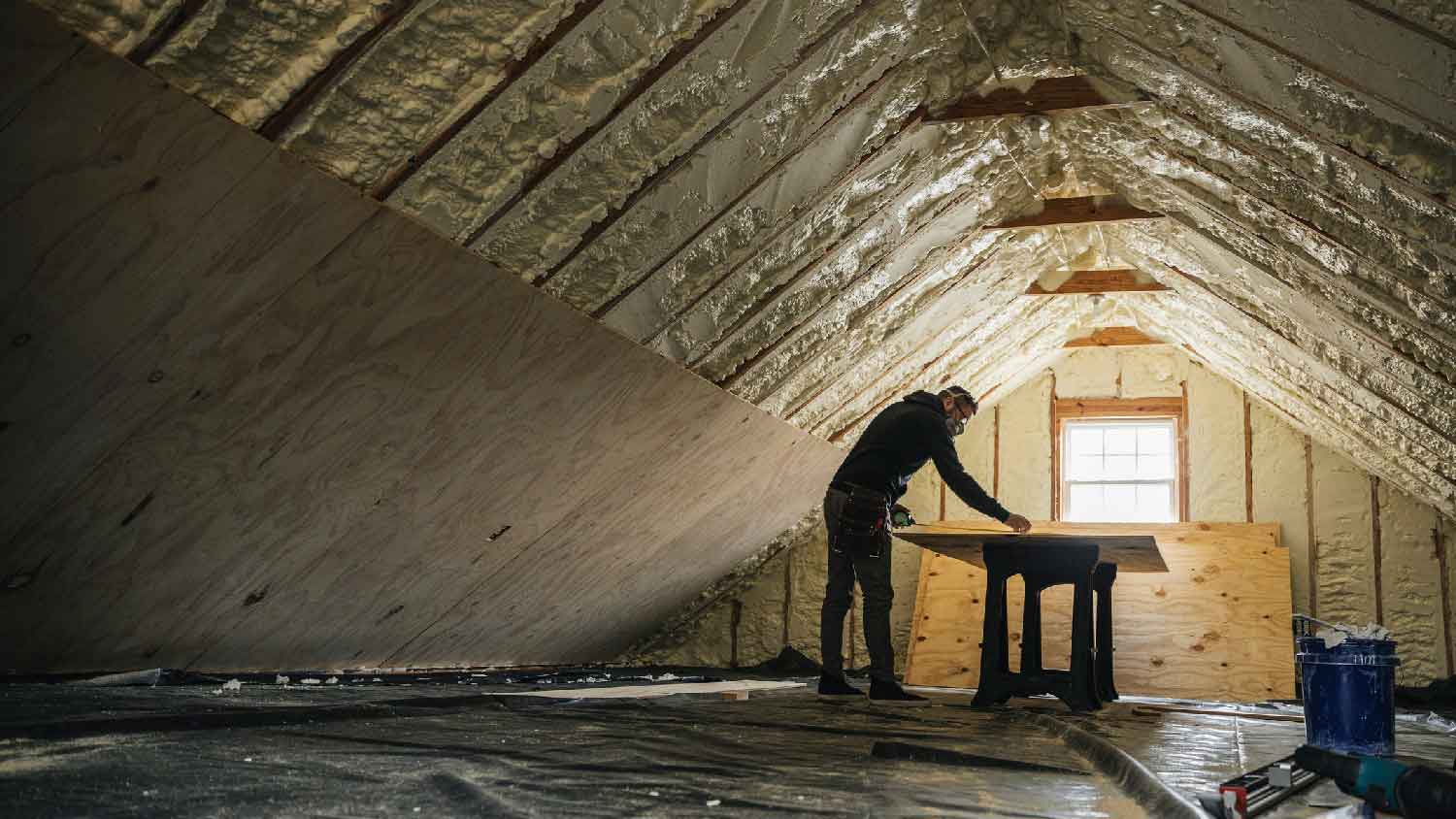
We are a locally owned and operated company that values honesty and integrity and treats your home as if it were our own. We offer spray foam insulation services that are customizable to each individual project. You will find us to be competitively priced, paying close attention to the details of each and every project that we are involved with. We look forward to building lasting relationships and guarantee your satisfaction!
Using plastic shrink film over the window will cut down on drafts, which makes the air inside your home feel warmer. Plastic shrink film doesn’t quite have the insulative properties of a new window or of adding insulation inside the window jamb, but it will help. Plus, it’s a cost-effective solution to keeping your home warmer.
Reduces energy costs, improves comfort, and prevents ice dams in winter.
You can insulate an existing garage door. But while it’s a cost-effective option upfront, it may not perform as well as a garage door that comes with insulation. If you live in a colder climate—or if you plan on working in your garage and need a new door—you should purchase one with existing insulation for better efficiency.
Expect your home insulation project to take between five and 12 hours to complete on average for batts or boards and two to five hours for spray foam or blown-in insulation. It might take longer if you need to remove your home’s existing insulation, you have a higher-than-average square footage, or accessibility is limited.
Minimal, mainly occasional checks for damage or mold in extreme conditions.
The Poulsbo, WA homeowners’ guide to insulation services
From average costs to expert advice, get all the answers you need to get your job done.
Insulating your attic can massively improve your home’s efficiency and reduce electric bills. Use this guide to find out what attic insulation will cost you in Seattle, WA.
New insulation makes your home more comfortable and boosts energy efficiency. Use this guide to budget for insulation installation costs in Seattle, WA.
Attic insulation removal costs in Seattle, WA, vary based on multiple factors, including why you're removing it and how easy it is to complete the task.
What is insulation? This behind-the-scenes home fixture will maintain comfortable temperatures in your home no matter the season. It’ll lower energy bills, to boot.