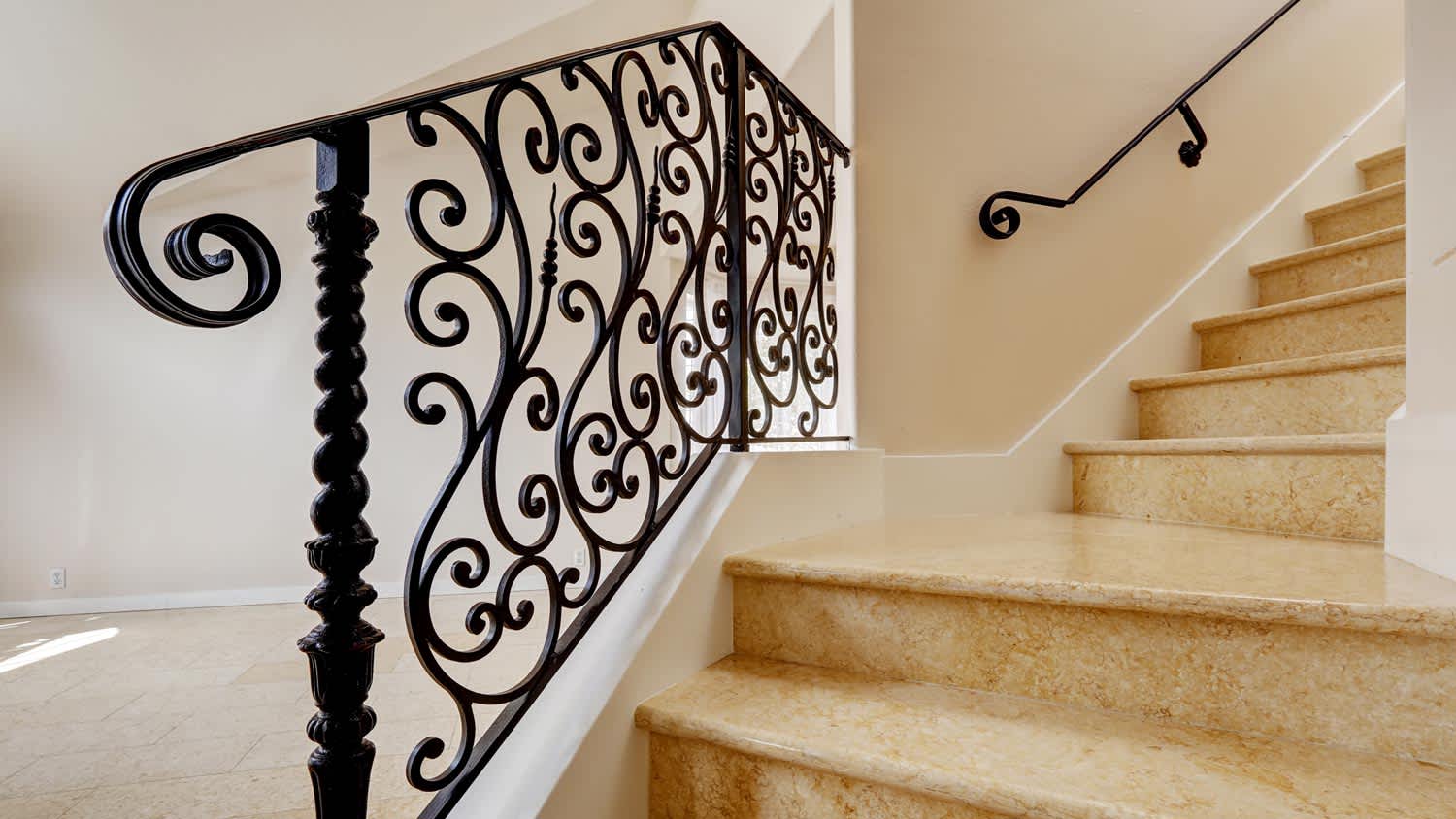



Top-rated wrought iron workers.

Best wrought iron workers near Orting, WA

Enter your zip and get matched with up to 5 pros

Need a pro for your wrought iron service project in Orting, WA?

Select your specific project to find the pro for you.

TRUSTED BY ORTING, WA HOMEOWNERS

  • Average homeowner rating star icon4.8
    Average homeowner rating
  • Verified reviews icon15
    Verified wrought iron services reviews

Top-Rated Wrought iron workers in Orting - Updated Nov 2026

...
Showing 1-10 of 55
Wrought Iron FAQs, answered by experts

One common approach to attaching lattice is using screws or nails. Align the lattice panel with the wood frame, then secure it by driving screws or nails through the lattice into the wood. Another option is using U-shaped or J-shaped clips or brackets designed for lattice attachment, which provide a neater look. For added stability and aesthetics, you can use molding or framing around the lattice edges, attaching it to the wood with screws or nails—lastly, construction adhesive works when combined with other fasteners for enhanced durability.

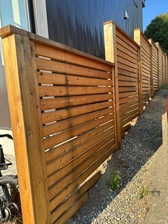
Posts for a horizontal fence should be no more than 6 feet apart. Wood pickets are not as strong when mounted horizontally as when mounted vertically. As such, the fence panels on a horizontal fence can’t cover the same span between posts as a vertical fence can. If you install the posts further apart on a horizontal fence, the fence will lose stability, making the boards more likely to sag. 

Vinyl and chicken wire are two of the best and most affordable materials for a DIY garden fence. Vinyl is a great option because it is cost-effective, easy to work with, and effective at keeping pests out. A vinyl fence can cost as little as $15 per linear foot, especially if you install it yourself. Chicken wire is even more budget-friendly, costing as little as $2 per linear foot. While chicken wire is more affordable, vinyl is a better choice if privacy is a concern. You can also add chicken wire on top of a vinyl fence for extra security.

The maximum recommended slope on which you can build a racked or stepped fence is 45 degrees. After that, construction becomes quite tricky and may require the use of retaining walls or terraces to make the fenced area flatter.

If you hire a fence installer for the project, the time it takes to build a fence is about 20 to 30 hours. Tackling the project yourself will take around 40 to 50 hours. It can take longer if you need to obtain permits, level the ground, remove the old fence, or remove a tree.

The Orting, WA homeowners’ guide to wrought iron services

From average costs to expert advice, get all the answers you need to get your job done.