Top-rated window tinters.

Best window tinters near Oroville, WA

Enter your zip and get matched with up to 5 pros

Need a pro for your window tinting project in Oroville, WA?

Select your specific project to find the pro for you.

Top-Rated Window tinters in Oroville - Updated Nov 2026

Avatar for Frontpoint
Frontpoint
4.7(
8,819
)
Window Tinting - Apply or Replace

Serving Oroville, WA and surrounding areas

In business since 2007

Free estimates

Emergency services offered

"Install was easy. Up front cost was pretty low with Angie's List coupon. Monthly price is a little high compared to competing companies. Response time with alarms is excellent. I was advised to use glass break alarms within 10 ft of my first floor windows, which we installed correctly. I asked prior to installation if having one in the kitchen would cause false alarms due to dishes clanging, etc. I was told the glass break alarms are configured to a precise frequency that alarms with breaking glass. So, not a "no", but not really an answer. Well, every time we cook dinner, wash dishes or empty the dish washer, the kitchen glass break alarm gives a warning which would sound the alarm if it was set. This has caused us a number of false alarms while we've been away due to shifting bowls or plates in our drying rack. For the first several we've had to pay our police department $120 to check the house, and I was only notified after the first alarm that there was a cheaper option for a security company to drive by to check for a break in."
Recommended by93%of homeowners
Window Tinting FAQs, answered by experts

No, it isn’t necessary to have energy-efficient windows. However, if you care about your energy bill and making your windows more energy efficient, fixing any heat, UV, or air transfer issues is an excellent way to lower your bills and keep your house cooler in the summer and warmer in the winter.

The average cost for home window tinting is around $600, with most homeowners paying between $150 and $1,600. Costs can also be calculated per square foot, typically ranging from $2 to $100, or per window at around $75 each. For example, tinting one or two windows might cost between $200 and $350, while a larger project of 13 to 15 windows could range from $4,124 to $4,747.

Several factors influence the total project cost, with the number and size of the windows being the most significant. Other key factors include the type, shade, and quality of the tint film, as well as labor costs. Additional treatments, such as low-emissivity (low-E) coatings, can also increase material costs.

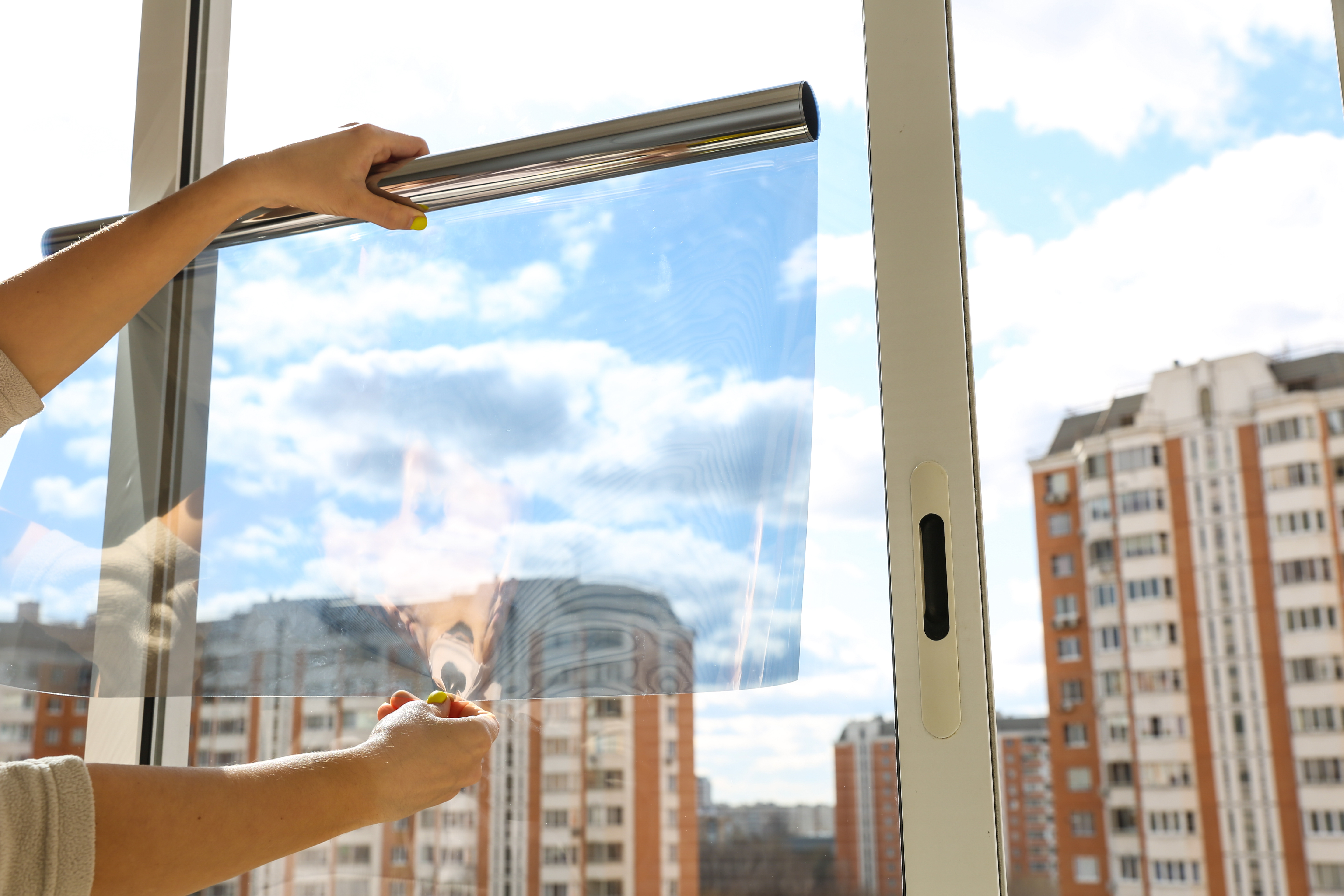
Window tinting offers several benefits, such as making your home more energy-efficient by blocking harsh sunlight, protecting furniture from fading, and increasing privacy. For this reason, many homeowners choose to tint only the windows in specific areas where direct sunlight and privacy are primary concerns.

A common way to modernize arched windows is to install interior window treatments that allow light through the curved portion up to and let you cover the bottom portion for privacy. You can also install plantation shutters to make an arched window look more modern. From the exterior, arched windows can appear outdated if they’re coupled with ornate trim, so toning down the decor can make your window look more natural with a modern design.

The ideal thickness of window film depends on various factors and specific needs. Thicker films generally offer increased durability and enhanced security benefits. They are also typically more effective at reducing heat and blocking UV rays. However, thinner options may be preferable for some applications, such as decorative or privacy films. Thinner films are easier to apply and provide adequate privacy without compromising visibility. Ultimately, the best thickness of window film will depend on your specific requirements, desired benefits, and the recommendations of professional installers.

Cellular shades, also known as honeycomb shades, are the most energy-efficient and insulating window treatments. Their honeycomb structure is made of soft fabric that forms layered cell pockets. These pockets trap air, creating a thermal barrier that reduces heat loss in the winter and blocks heat gain in the summer. For even greater insulation, consider double- or triple-cell varieties. Side-tracked cellular shades, which seal the edges of the window frame, can further minimize air leaks and maximize energy efficiency.

The Oroville, WA homeowners’ guide to window tinting services

From average costs to expert advice, get all the answers you need to get your job done.