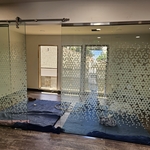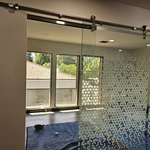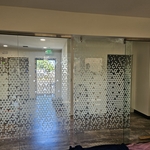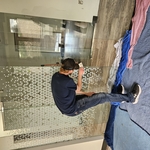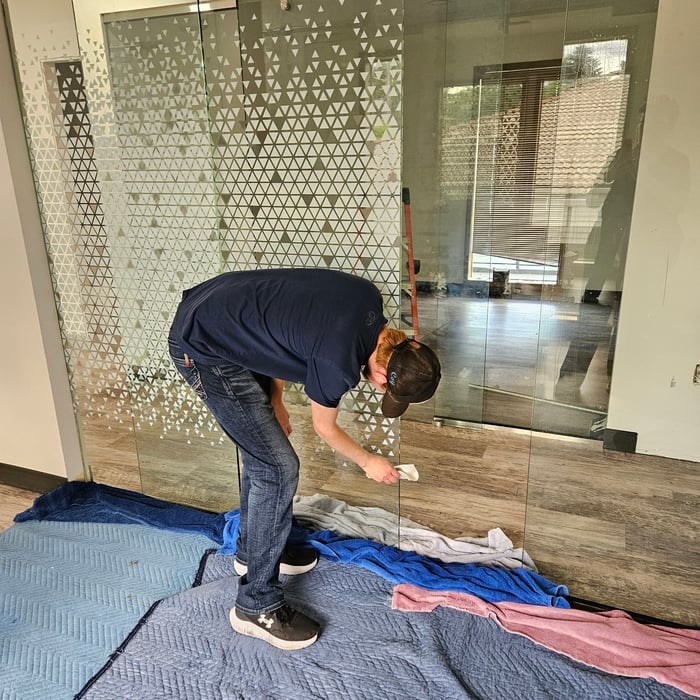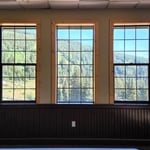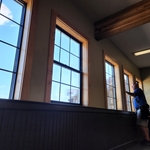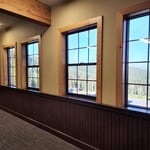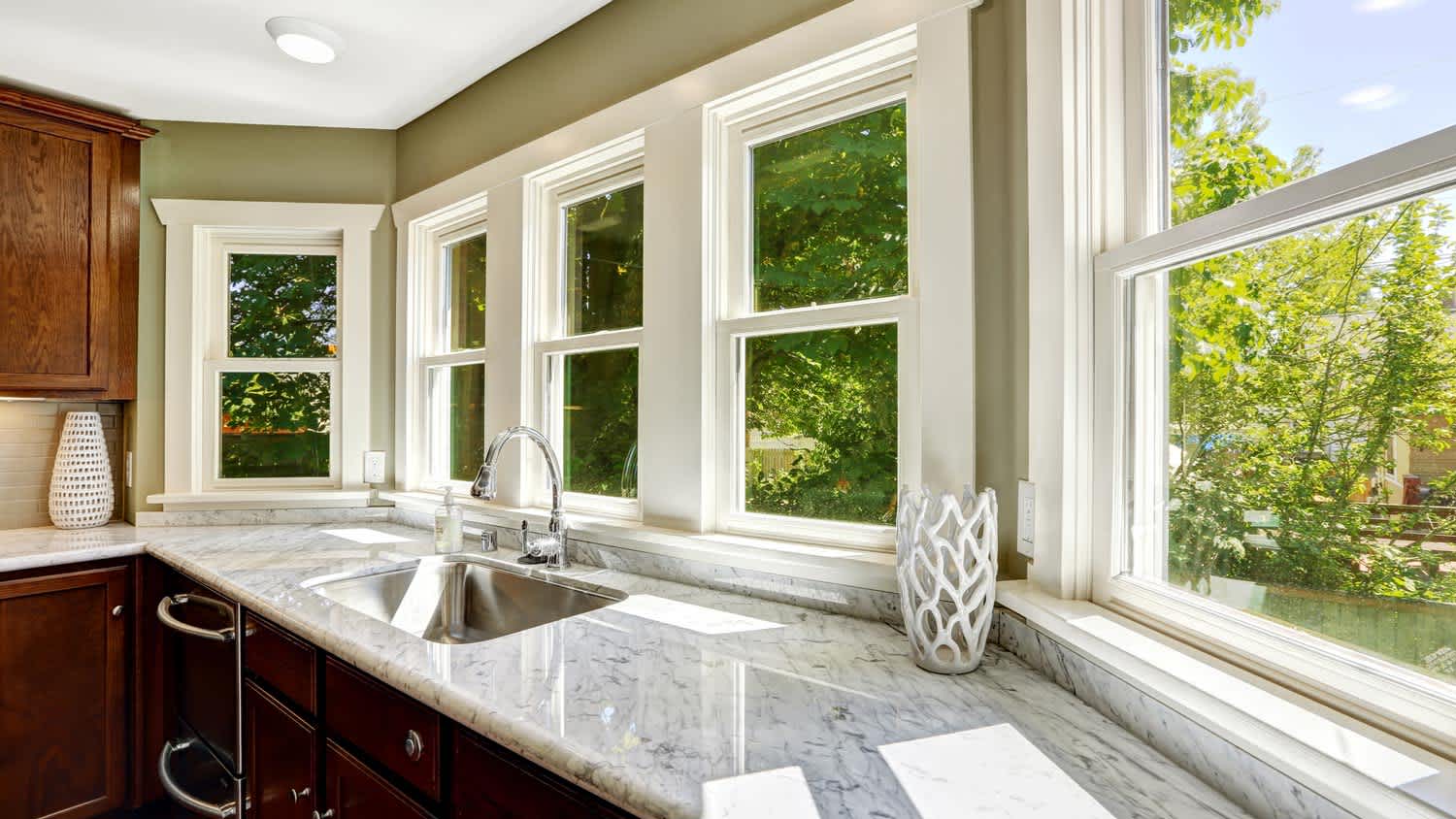





"This family owned business did an amazing job tinting our three living room windows! They have integrity and great workmanship. We appreciated how they protected our hard wood floors and furniture while working on the job. They are very thorough and have great communication skills. We highly recommend this company and would definitely use them again if we need other windows tinted."
"Excellent workmen ship. We had Brett tint our windows with solar protection. We also had him frost a couple of windows, we couldnâ t be happier with the the work."
"Install was easy. Up front cost was pretty low with Angie's List coupon. Monthly price is a little high compared to competing companies. Response time with alarms is excellent. I was advised to use glass break alarms within 10 ft of my first floor windows, which we installed correctly. I asked prior to installation if having one in the kitchen would cause false alarms due to dishes clanging, etc. I was told the glass break alarms are configured to a precise frequency that alarms with breaking glass. So, not a "no", but not really an answer. Well, every time we cook dinner, wash dishes or empty the dish washer, the kitchen glass break alarm gives a warning which would sound the alarm if it was set. This has caused us a number of false alarms while we've been away due to shifting bowls or plates in our drying rack. For the first several we've had to pay our police department $120 to check the house, and I was only notified after the first alarm that there was a cheaper option for a security company to drive by to check for a break in."
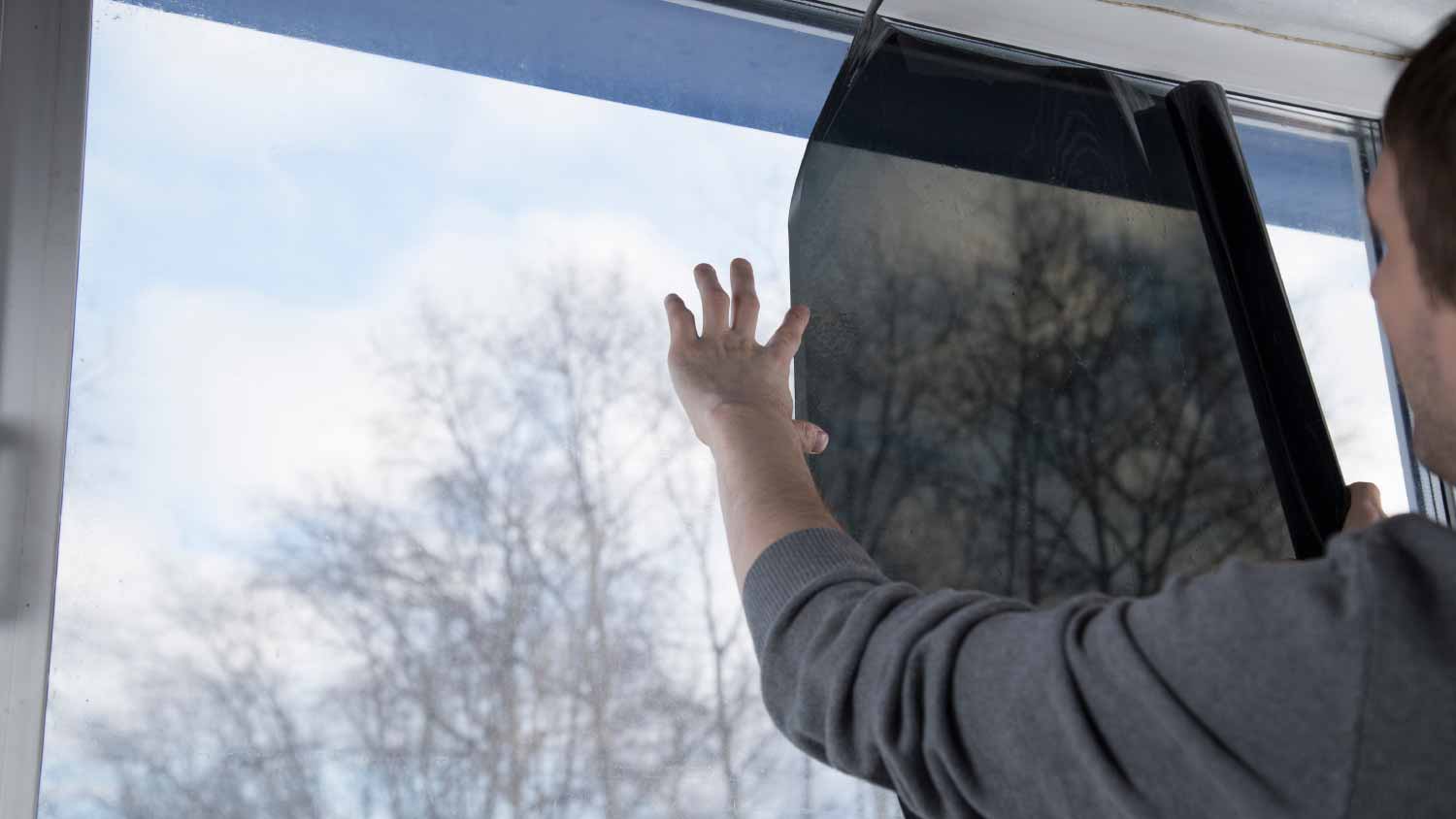
While it is possible to install home window tint yourself, it is a challenging task that is often best left to professionals. The process can be tedious and time-consuming, requiring steady hands and a great deal of patience, especially for a first-time installer.
Common mistakes in DIY applications include visible bubbles, imperfections, and film that either hangs over the edges or doesn't fully cover the glass. These errors not only look unprofessional and detract from your home's curb appeal but can also reduce the tint's effectiveness in blocking sunlight and heat. If you have struggled with applying protective films to smaller items like phones or tablets, you may find this task particularly difficult.
Attempting the installation yourself and making a mistake can lead to wasted material and the additional cost of hiring a professional to fix the issues or redo the job. Although hiring a professional involves labor costs, it typically guarantees a high-quality, seamless appearance and saves you from having to do the work over again.
To darken your windows without curtains, try installing window film or even installing an awning outside your windows. Window film is a DIY-friendly option with many different darkness levels you can choose from to fit your desired look. Awnings can also help by casting shade over your window, though this isn’t feasible for every home.
Home window tinting is generally considered a worthwhile investment due to its numerous benefits. The primary advantages include:
Energy Efficiency: Tinting reduces solar heat gain, which lowers cooling costs in warmer months. It can also help retain heat during cooler months, leading to savings on your electric bill that may eventually exceed the initial cost of the tinting.
UV Protection: It blocks harmful UV rays, protecting your family and pets from sun damage. This also prevents fading and extends the life of your furniture, flooring, and other interior furnishings.
Increased Comfort: By regulating heat, window tinting helps maintain a more comfortable and even temperature throughout your home. It also reduces glare on TVs and other electronic screens.
Enhanced Privacy and Security: Tinting makes it more difficult for outsiders to see into your home. Additionally, certain types of window films can increase security by helping the glass withstand trauma from break-in attempts or severe weather.
It's important to note that not all window tints offer the same combination of benefits. For example, security films are designed for impact resistance but may offer less UV protection, while ceramic tints excel at blocking heat and UV rays but do not provide the same level of security.
Most installations take 1-3 days, depending on the number and size of windows.
The ideal thickness of window film depends on various factors and specific needs. Thicker films generally offer increased durability and enhanced security benefits. They are also typically more effective at reducing heat and blocking UV rays. However, thinner options may be preferable for some applications, such as decorative or privacy films. Thinner films are easier to apply and provide adequate privacy without compromising visibility. Ultimately, the best thickness of window film will depend on your specific requirements, desired benefits, and the recommendations of professional installers.
The Wilbur, WA homeowners’ guide to window tinting services
From average costs to expert advice, get all the answers you need to get your job done.
Can I tint my house windows? Home window tinting is a small upgrade that can yield major benefits. Here’s everything you need to know before taking the plunge.