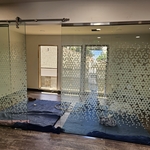
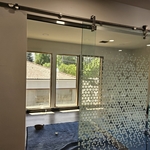
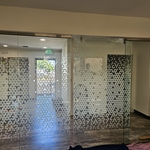
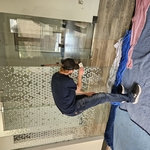
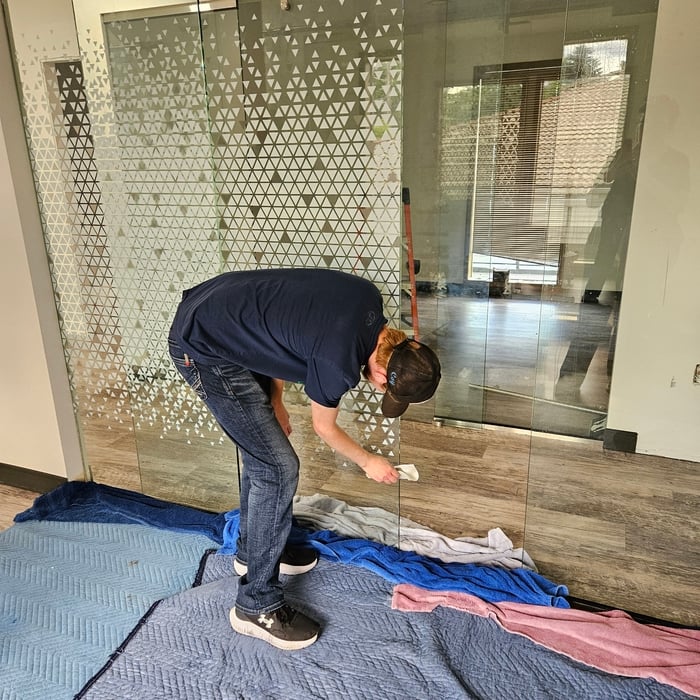
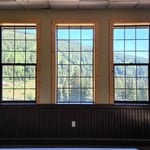
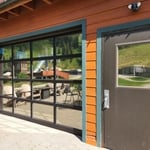
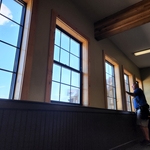
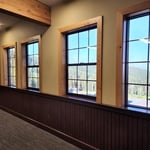
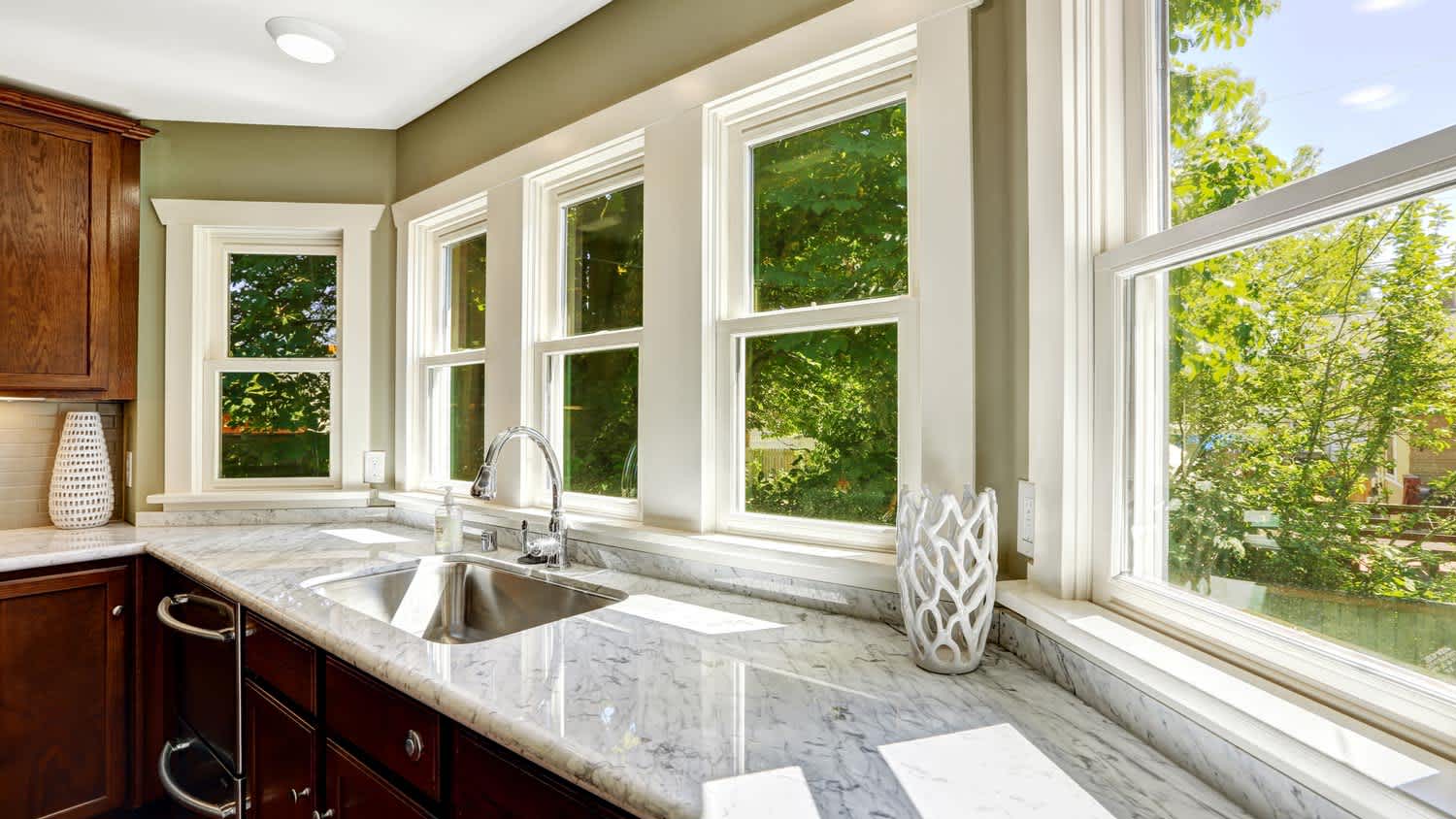
"They helped select the right product to tint our floor to ceiling, south facing windows. Our windows also go wall to wall and are 25 feet tall. The selected film reduces heat from the sun shining into the house in the Spring and Summer. It also reduces heat loss in the Fall and Winter. Their service was great. The company was responsive when we called for an estimate. The work was scheduled at our convenience. They were careful of our floors and furniture while working. We love the tinting and the workmanship!"
"Excellent workmen ship. We had Brett tint our windows with solar protection. We also had him frost a couple of windows, we couldnâ t be happier with the the work."
"Sales process was good, courteous and helpful. Installation instructions were easy to follow. Did have a small issue with one sensor which was easily solved with a call. Control panel is easy to use and well constructed. Phone app is the best part. Not a big fan of a 2 year contract and the monthly rate feels a little high, but definitely a decent system. I had emailed them a question pertaining installing on double hung windows and never received a reply, but other than that their phone support prior to that was good."
"They did a real good job. They were real professional. We can now open the garage door from the inside of the house and now it is so smooth that we have to check to see if we hit the button to open it or close it. Before we used to know when it was opening or closing because it used to make a noise. It helps when you move to a city where you are new. "
Clean with non-abrasive cleaners and a soft cloth, avoiding ammonia-based products that can degrade the film.
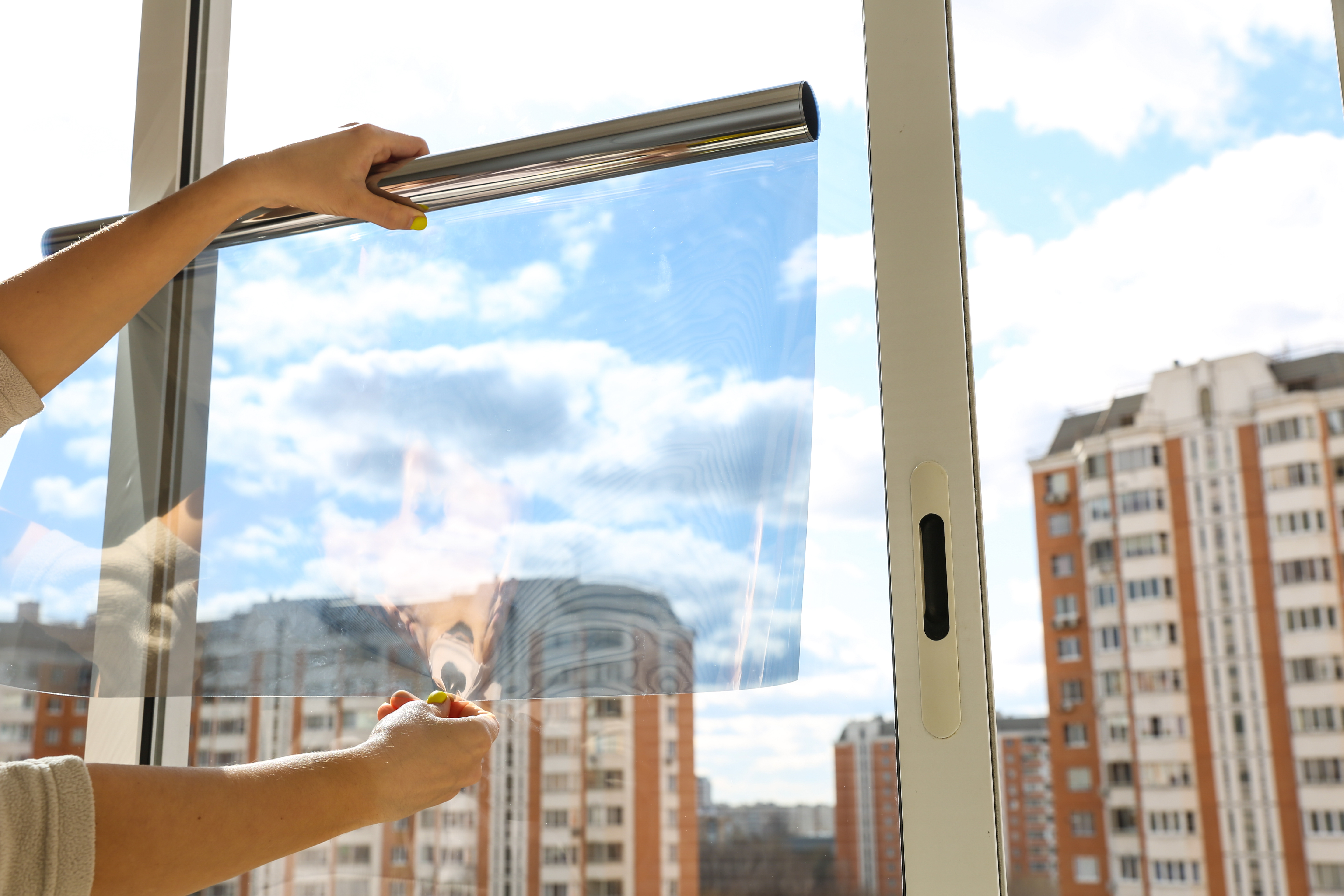
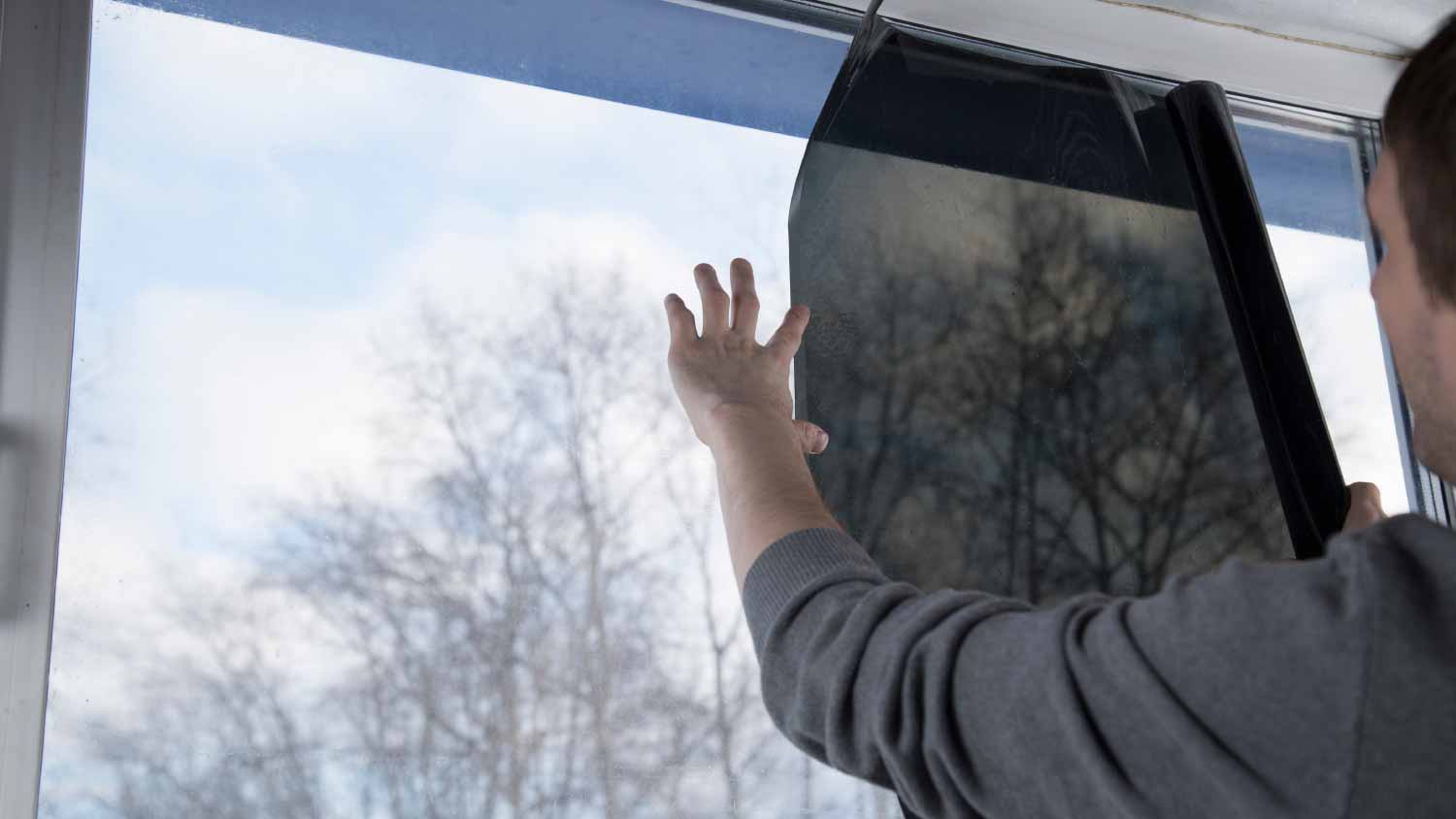
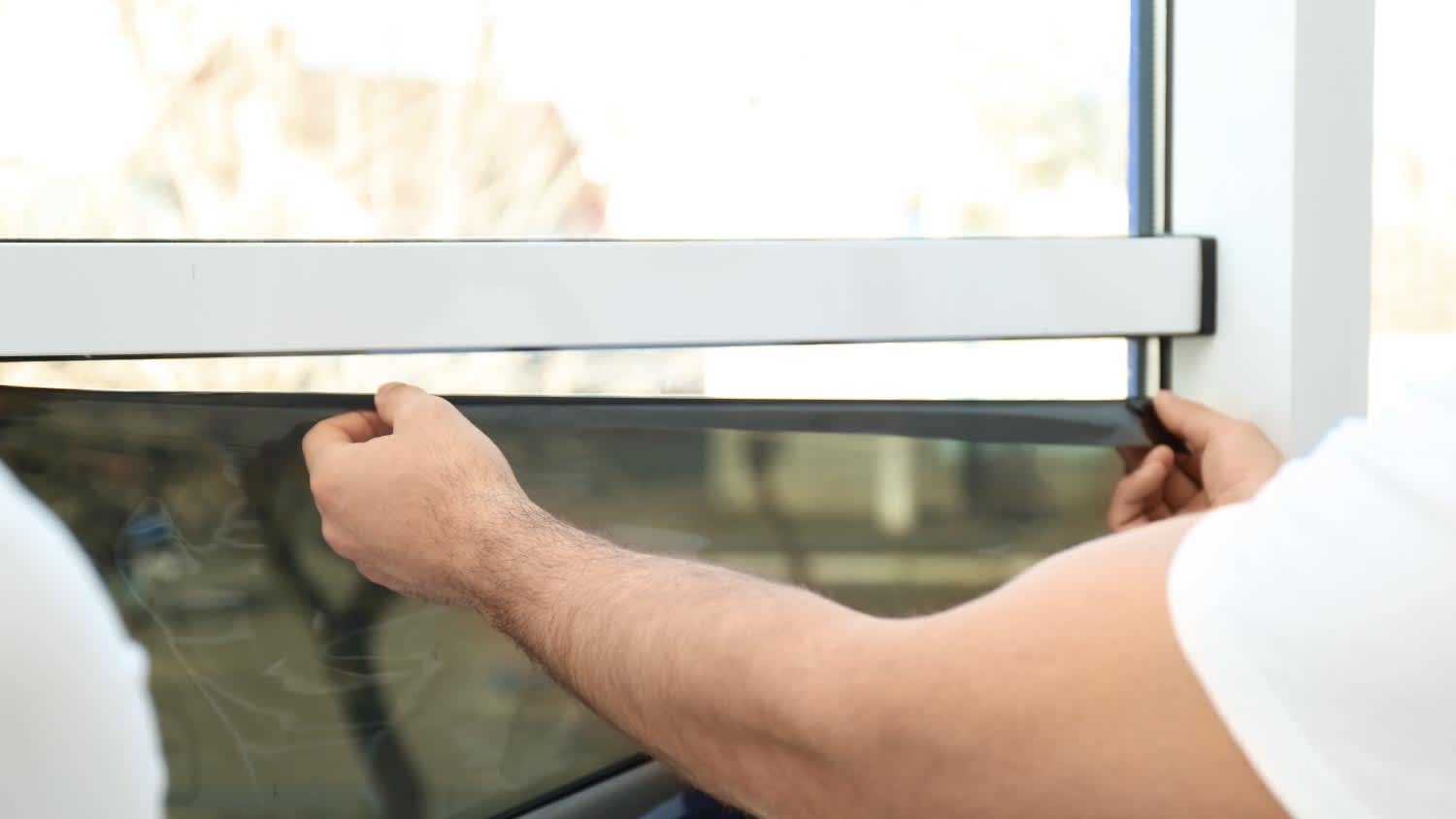
While it is possible to install home window tint yourself, it is a challenging task that is often best left to professionals. The process can be tedious and time-consuming, requiring steady hands and a great deal of patience, especially for a first-time installer.
Common mistakes in DIY applications include visible bubbles, imperfections, and film that either hangs over the edges or doesn't fully cover the glass. These errors not only look unprofessional and detract from your home's curb appeal but can also reduce the tint's effectiveness in blocking sunlight and heat. If you have struggled with applying protective films to smaller items like phones or tablets, you may find this task particularly difficult.
Attempting the installation yourself and making a mistake can lead to wasted material and the additional cost of hiring a professional to fix the issues or redo the job. Although hiring a professional involves labor costs, it typically guarantees a high-quality, seamless appearance and saves you from having to do the work over again.
Costs depend on window size, film quality, UV protection level, and installation complexity.
The most popular treatment for a skylight is skylight shades. There are five primary types: manual, motorized, blackout, cellular//honeycomb, and Venetian. Motorized skylight shades are the most convenient, especially for skylights that are higher up, but manual shades are the most cost-effective treatments. Cellular/honeycomb shades are a perfect option for anyone who wants energy efficiency and an attractive look.
Typically, triple-pane windows made with krypton gas filling are the most energy efficient. A window’s frame, glass, design, and installation all affect its energy efficiency. These windows, in particular, are designed highly effectively in terms of their ability to insulate.
The Kettle Falls, WA homeowners’ guide to window tinting services
From average costs to expert advice, get all the answers you need to get your job done.
Can I tint my house windows? Home window tinting is a small upgrade that can yield major benefits. Here’s everything you need to know before taking the plunge.