




Top-rated basement waterproofing pros.

Best basement waterproofing pros near Nooksack, WA

Enter your zip and get matched with up to 5 pros

Top-Rated Basement waterproofing pros in Nooksack - Updated Nov 2026

Avatar for American Concrete N Masonary
American Concrete N Masonary
5.0(
6
)
Basement Drainage Channels - Install

Serving Nooksack, WA and surrounding areas

In business since 1990

Free estimates

Emergency services offered

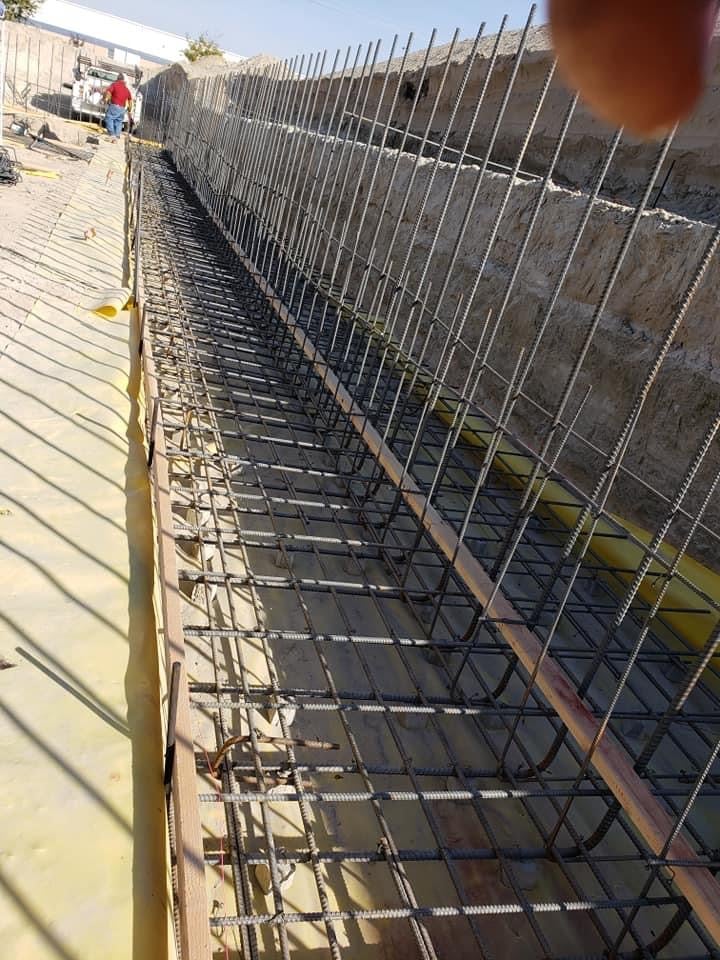
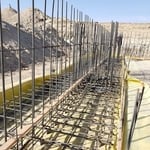
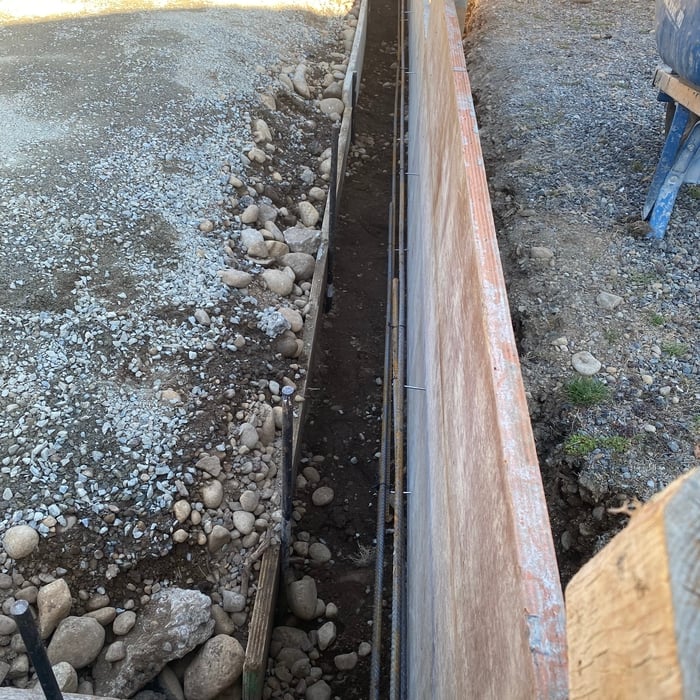
"I needed a garden path from my house to my art studio, and I wanted it to match the concrete path already going from my house to the garage. Not a big job, but American Concrete Construction was willing to take it on. Their main guy, Sinisia Moli, came right out one day to evaluate the job, then returned the next day to survey, dig out the path, frame it, and put in rebar. Cement was poured the following day. And now I have my garden path. Which, incidentally, matches the other, much older path perfectly. ... Sinisia Moli of American Concrete Construction is a man of experience, good aesthetics, and common sense. He is also friendly, upbeat, and generally a pleasure to have around. Best of all, unlike so many of his colleagues who work in various construction trades, Moli talks to women. He doesn’t insist on talking to your husband. ... I am definitely keeping American Concrete Construction in mind for future projects."
Additional Photos
Additional Photos
Additional Photos
Additional Photos
Additional Photos

+29

Recommended by100%of homeowners

Showing 1-10 of 19
Basement Waterproofing FAQs, answered by experts

It’s not the number of weep holes that should be of concern to builders but rather their spacing. Weep holes are usually spaced anywhere between 16 inches on center when using round tubes or wicking materials and 24 inches on center when using open-head joints. This is a more conservative spacing than the 33-inch maximum spacing on center that’s mentioned in the International Residential Code. All in all, the total number of weep holes a brick exterior should have will depend on the size of the structure.

If your basement often leaks after heavy rain, it’s probably caused by hydrostatic pressure. When the ground is saturated with water, it can put pressure on the exterior of your home’s foundation, causing cracks in the basement wall and pushing water through any existing weak spots. Over time, hydrostatic pressure can cause structural damage to your home.

You’ll need to reseal the foundation every five to 10 years, depending on the sealant you’ve used, the moisture conditions present in and around your home, and the condition of your foundation. Having a foundation inspection conducted before reapplication can help you catch any problems before you begin resealing. Of course, if you notice any new leaks or other moisture problems at any time, it may be necessary to reseal the foundation sooner.

If not properly maintained, an underground downspout may damage your home's foundation. A clogged downspout can back up, causing water to pool around the base of your home and seep into the foundation. Regular inspections and maintenance keep your downspout in good working order, preventing damage and protecting your home.

Venting the crawl space can be a good alternative to encapsulation if you live in a dry climate and the moisture problem isn’t severe. You could also try a dehumidifier or install a vapor barrier on the floor, leaving the walls exposed. A new drainage system may eliminate the moisture problem if it is not caused by humidity.

The Nooksack, WA homeowners’ guide to basement waterproofing services

From average costs to expert advice, get all the answers you need to get your job done.