



Top-rated weed maintenance pros.

Get matched with top weed maintenance pros in Mesa, WA

Enter your zip and get matched with up to 5 pros

Need a pro for your weed maintenance project in Mesa, WA?

Select your specific project to find the pro for you.

Find Weed maintenance pros in Mesa

No results for Weed maintenance pro in

Try adjusting your search criteria.
Weed Services questions, answered by experts

Landscaping fabric can only help to prevent weed growth in the short term. It's not an ideal long-term solution because dirt will eventually make its way on top of it, causing weeds to sprout. These fabrics can also leave microplastics in the environment for many, many years, so pulling weeds using one of the methods in this guide as soon as you see them is a better long-term prevention strategy.

Sealing pavers helps cut down on weed growth, but it won’t wipe it out entirely. What it does really well is harden the joint sand—especially if you’re using a sealant with polymer additives—so weeds have a much harder time breaking through. It also blocks airborne seeds from settling in the cracks and keeps debris from building up. This results in fewer weeds, easier maintenance, and a cleaner-looking surface. Just remember, sealing is a strong defense—not a one-and-done solution. Stay on top of sweeping, spot-treating, and resealing every few years to keep your weeds in check.

Johnsongrass and crabgrass are invasive weeds that can overtake your lawn. Crabgrass is a low-growing grass most often seen in lawns, flower beds, and vegetable gardens. While you may find Johnsongrass growing in your lawn, it will also grow in pastures, crop fields, and the edge of the road. Johnsongrass is much coarser than crabgrass. If left alone, Johnsongrass can grow up to 8 feet tall. 

Weeds can grow through rubber mulch, but it depends on if you removed all the weeds in your garden beforehand. Weeds already in the soil can grow even when using rubber mulch. However, that doesn’t mean that your garden will be littered with rubber and weeds, but it does mean that the occasional weed might still pop up. Another way you can increase your weed suppression is by using landscape fabric as a second layer. 

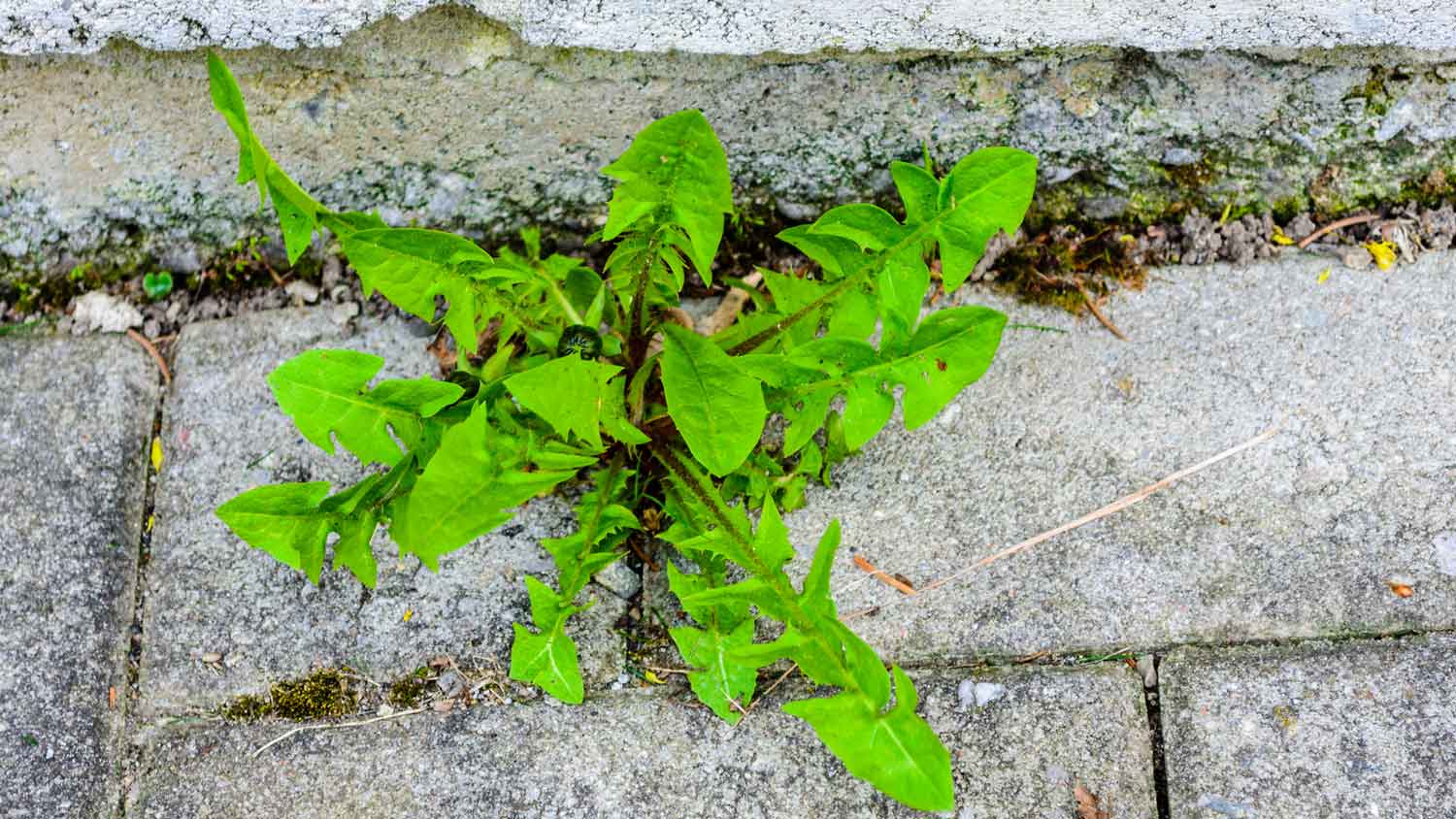
Technically, dandelions aren’t bad for your lawn, and they don’t directly kill grass. In fact, they appear in areas that are nutrient-deprived, and their long taproots can loosen the soil and bring nutrients closer to the surface. 

However, dandelions do spread quickly, and they can take over your lawn, eventually crowding out grass. This is why a healthy lawn is the best defense against dandelions.

The Mesa, WA homeowners’ guide to weed maintenance services

From average costs to expert advice, get all the answers you need to get your job done.