

Top-rated excavation pros.

Get matched with top excavation pros in Manson, WA

Enter your zip and get matched with up to 5 pros

Need a pro for your excavation project in Manson, WA?

Select your specific project to find the pro for you.

TRUSTED BY MANSON, WA HOMEOWNERS

  • Average homeowner rating star icon5
    Average homeowner rating
  • Verified reviews icon11
    Verified excavation services reviews

Find Excavation pros in Manson

The Final Cut General Contracting, LLC
4.4(
8
)

Serving Manson, WA and surrounding areas

Approved

In business since 2016

Customers say: Quick response

"Oh my! He did beautiful work for us! Very talented, skilled craftsman. Creative design ideas for all of my flooring and decking. Works hard, fast, and is very reliable. He was here when he said he would be. Even the pizza guy mentioned how gorgeous it all looks."
hendricks
hendricks
Cle Elum
Cle Elum
Cle Elum done

+5

Response time3 days
3 neighbors recently requested a quote
Recommended by100%of homeowners
Avatar for Eldred Earthworks & Excavation LLC
Eldred Earthworks & Excavation LLC
5.0(
2
)

Serving Manson, WA and surrounding areas

Approved

Free estimates

Emergency services offered

Warranties offered

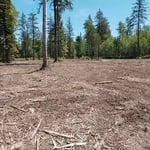
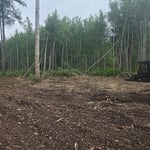
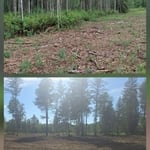
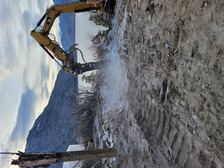
Eldred Earthworks & Excavation LLC is a Washington-based excavation contractor providing professional forestry mulching, excavation, grading, and land clearing services for residential, agricultural, and commercial properties. We help property owners transform overgrown, damaged, or undeveloped land into clean, usable ground ready for construction, access, restoration, or improvement. Our services include excavation and grading, dirt work, lot clearing, forestry mulching, driveway restoration, driveway removal, debris removal, dirt removal, stump grinding and removal, sagebrush removal, storm debris cleanup, trenching, and fire mitigation services. Whether you need a homesite prepared, access roads restored, utilities trenched, or overgrown acreage reclaimed, we bring dependable equipment, hard work, and attention to detail to every project.\nWe specialize in efficient, low-impact land clearing solutions that improve property usability while helping reduce fire hazards and cleanup costs

after
during
Before and after
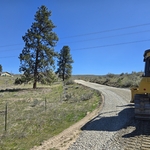
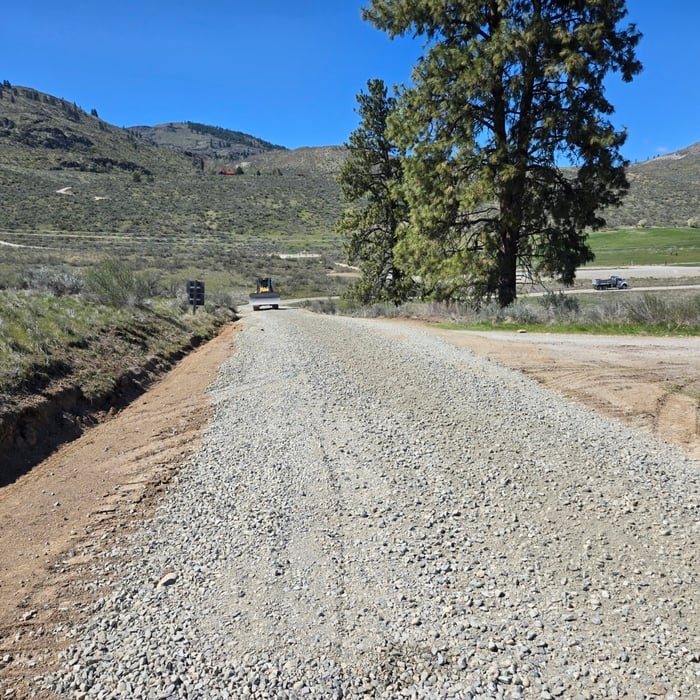
gravel driveway
gravel driveway

+1

3 neighbors recently requested a quote
Avatar for Grade Creek Excavation & Construction, LLC
Grade Creek Excavation & Construction, LLC
5.0(
3
)

Serving Manson, WA and surrounding areas

In business since 2021

Free estimates

Credit card accepted

"It was great working with Sissco and his son the job site was kept as neat as possible. He was always available if I had questions or concerns . Showed up on time and kept me informed. Will use again in the near future!"
Response time2 days
Response rate89%
Recommended by100%of homeowners
Showing 1-10 of 24
Excavating questions, answered by experts

The best type of soil to build on is a mixture of sand and clay, known as loam soil. Loam soil has the best combination of these soil types to build a foundation on. The clay particles help with water retention, so it won’t erode like sandy soil might, and the sandy particles help with drainage, so you won’t see unsafe soil expansion or have an increased risk of leaks from water sitting against your foundation.

A crawl space can be as little as 42 inches below the grade of your house, but this is not always recommended in flood-prone areas. At a minimum, there must be at least 16 inches of clearance between the ground and the floor joists to access the space in an emergency.

Yes, you can technically make a crawl space liveable, but the only way to do so is by converting it into a basement. While some crawl spaces are big enough to walk through and store large items, they lack appropriate insulation and space to be liveable.

Skunk digging looks like a series of small, cone-shaped holes on a lawn or around the perimeter of a home, porch, deck, or shed. The holes that skunks dig when searching for grubs tend to be no more than four inches in diameter and may be up to four inches deep.

A trench that is less than 5 feet deep often doesn't require a protective system. Most residential trenches will not go this deep (the typical residential drainage trench is just 18 inches deep). In the event that an excavator needs to dig more than 5 feet beneath the surface, a protective system is required unless the excavation is in entirely stable rock.

The Manson, WA homeowners’ guide to excavation services

From average costs to expert advice, get all the answers you need to get your job done.