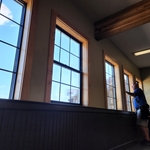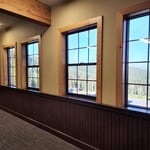










"Excellent workmen ship. We had Brett tint our windows with solar protection. We also had him frost a couple of windows, we couldnâ t be happier with the the work."
"Install was easy. Up front cost was pretty low with Angie's List coupon. Monthly price is a little high compared to competing companies. Response time with alarms is excellent. I was advised to use glass break alarms within 10 ft of my first floor windows, which we installed correctly. I asked prior to installation if having one in the kitchen would cause false alarms due to dishes clanging, etc. I was told the glass break alarms are configured to a precise frequency that alarms with breaking glass. So, not a "no", but not really an answer. Well, every time we cook dinner, wash dishes or empty the dish washer, the kitchen glass break alarm gives a warning which would sound the alarm if it was set. This has caused us a number of false alarms while we've been away due to shifting bowls or plates in our drying rack. For the first several we've had to pay our police department $120 to check the house, and I was only notified after the first alarm that there was a cheaper option for a security company to drive by to check for a break in."
Replacing a window frame will improve your home’s energy efficiency if the old frame is cracked or damaged in a way that allows unconditioned air from the outside into your living space or if you upgrade to a more energy-efficient window frame material. Aluminum is the least energy-efficient window frame material, followed by vinyl and wood. Fiberglass and composite frames are the most energy-efficient.
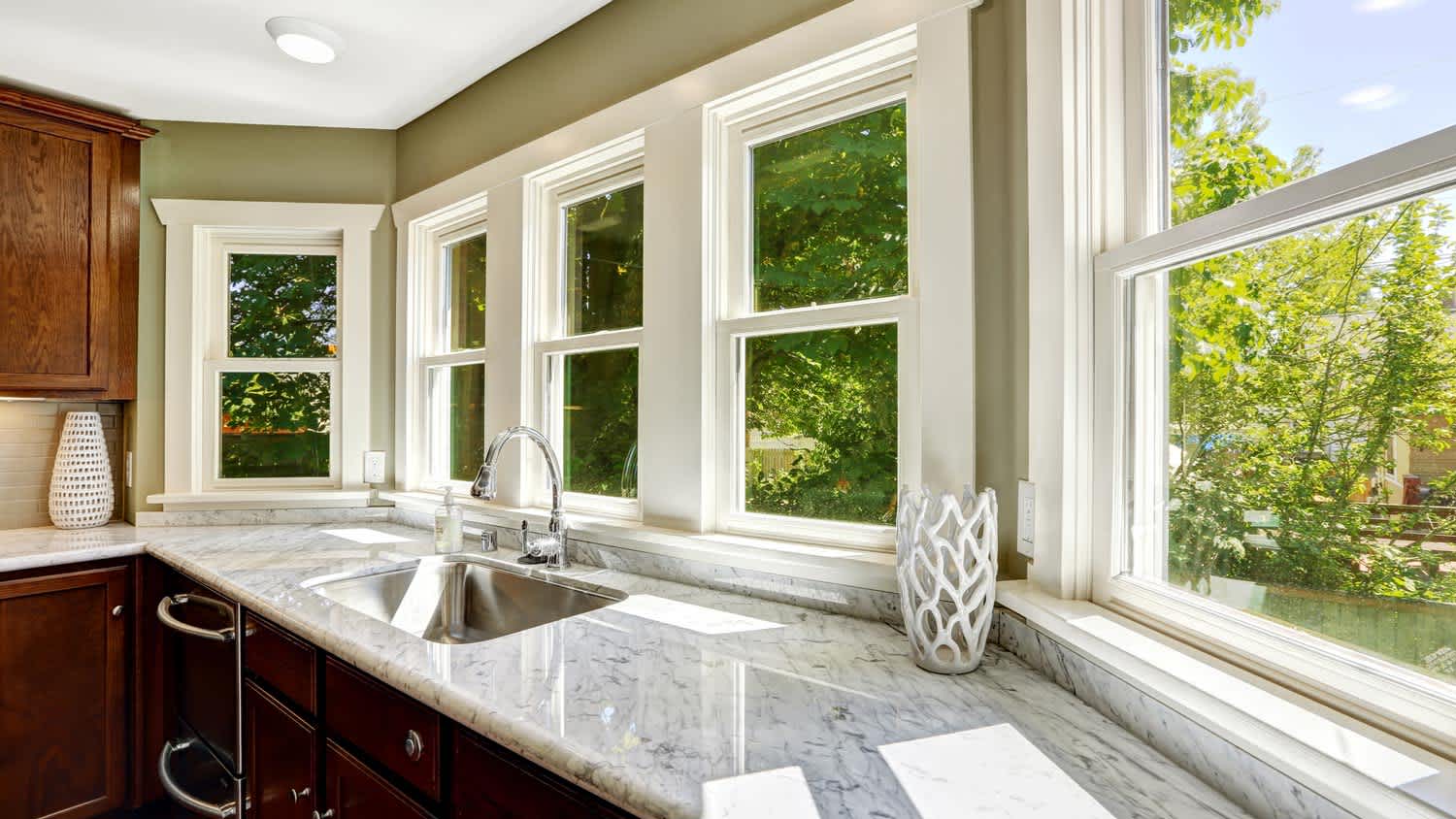
The most energy-efficient windows are double—or triple-pane windows with low-emissivity (Low-E) coatings and gas fills between the panes. These windows reduce heat transfer, prevent drafts, and help maintain a consistent indoor temperature. But if replacing windows isn’t in your budget, pairing your existing windows with insulating window treatments can still make a noticeable difference in home comfort and monthly bills.
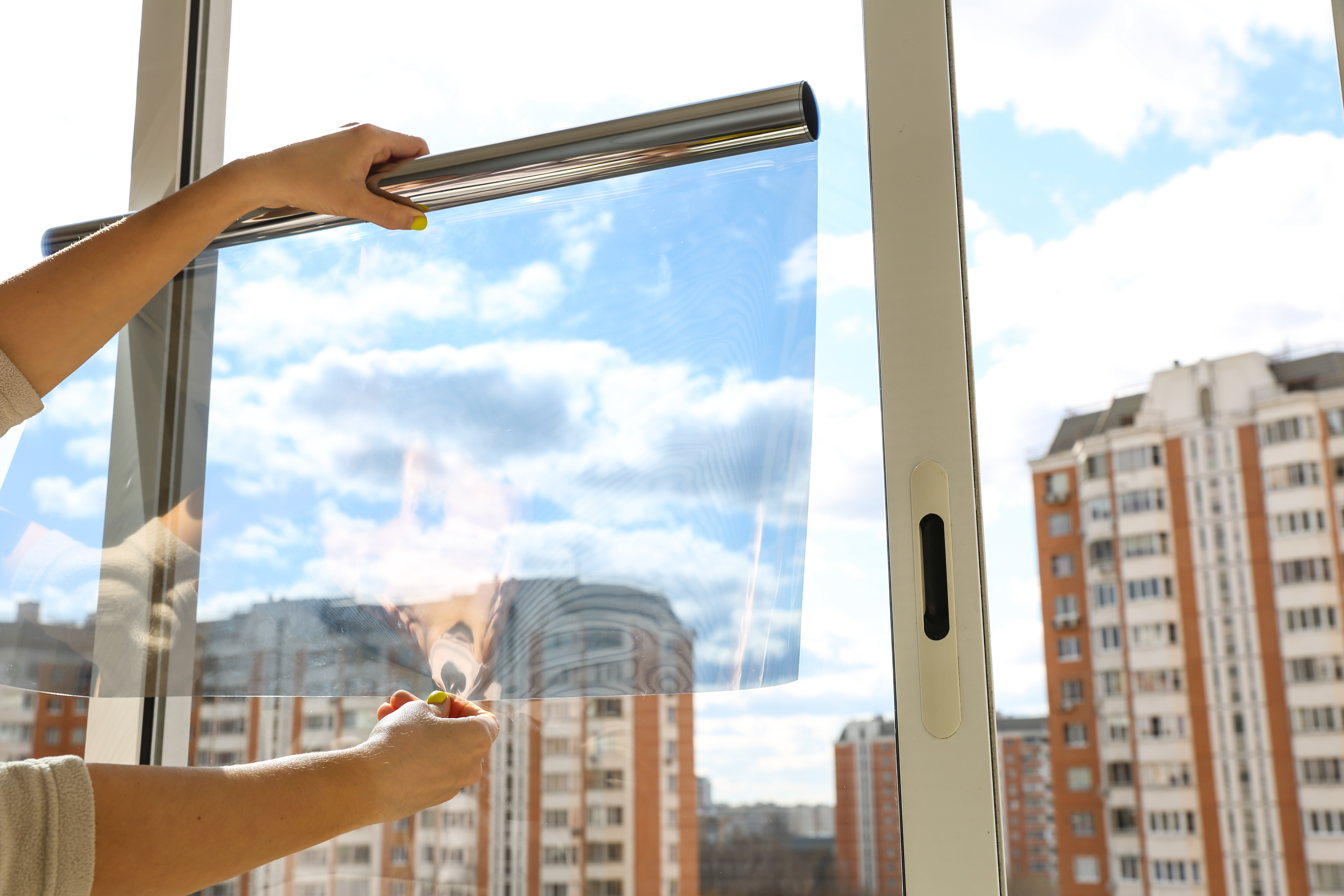
Visibility through tinted house windows or privacy film depends on the lighting. During the day, the tint or film typically prevents people from seeing inside. However, at night, if you have lights on inside your home, the interior will be brighter than the outside, which allows people to see in. You can choose from various shades of privacy film, from lighter to darker, to optimize the level of privacy you want.
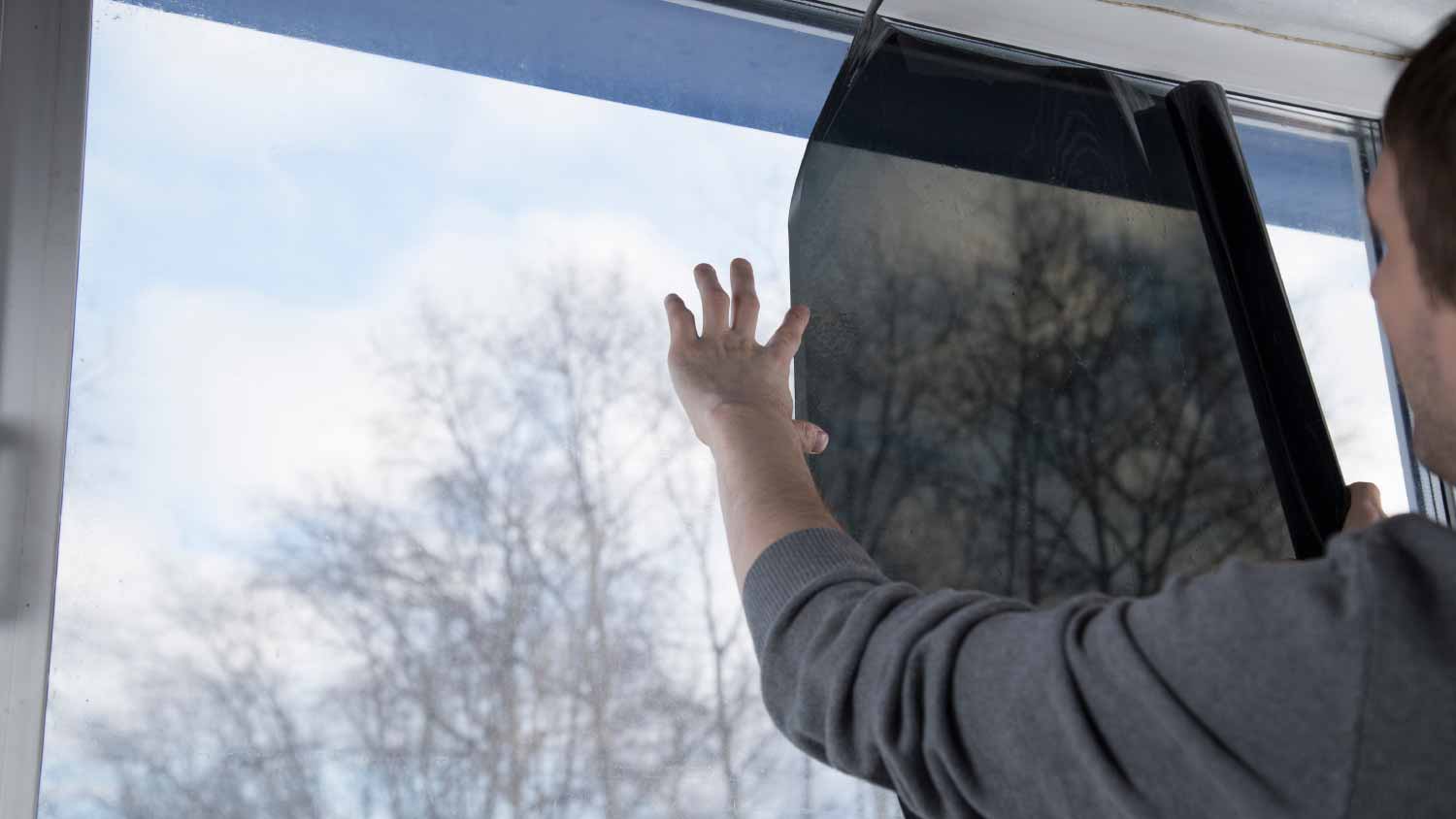
Applying window security film yourself is possible, but we don’t recommend it. This task is simple in theory, but getting the product to sit on your windows evenly and without bubbles underneath is challenging for DIYers who lack the necessary experience and tools. You might save money on labor by applying it yourself, but you might also end up with a film that doesn’t look appealing, prompting you to start over and spend the money on a professional installation anyway. Plus, most window film manufacturers will void your warranty if you install the product yourself.
Window security film won’t prevent break-ins or stop your window from shattering from impact during extreme weather like hurricanes or tornadoes. However, applying security film is relatively inexpensive, and it can make breaking into your home significantly harder—often hard enough to deter burglars entirely—and keep your window from shattering on your floor after impact. For these reasons, window security film is often a worthwhile investment that helps protect your property.
The Dayton, WA homeowners’ guide to window tinting services
From average costs to expert advice, get all the answers you need to get your job done.
Can I tint my house windows? Home window tinting is a small upgrade that can yield major benefits. Here’s everything you need to know before taking the plunge.