






Top-rated generator install pros.

Get matched with top generator install pros in Dayton, WA

Enter your zip and get matched with up to 5 pros

Need a pro for your generator install project in Dayton, WA?

Select your specific project to find the pro for you.

Find Generator install pros in Dayton

Avatar for JBC Group Solutions Inc
JBC Group Solutions Inc
4.0(
4
)
Fixed Generator - InstallFixed Generator - RepairGenerator - Install+4 more

Serving Dayton, WA and surrounding areas

In business since 2007

Emergency services offered

"They did a real good job. They were real professional. We can now open the garage door from the inside of the house and now it is so smooth that we have to check to see if we hit the button to open it or close it.  Before we used to know when it was opening or closing because it used to make a noise. It helps when you move to a city where you are new. "
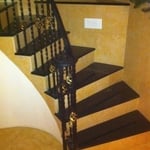
Custom Staircases
Custom Exterior Restoration
Custom Bathrooms
Recommended by75%of homeowners
Generator Install questions, answered by experts

In most municipalities, you will need a permit to install a permanent home generator, including emergency backup, partial-home, and whole-home generators. A permit for a generator usually costs between $50 and $250, depending on where you live. Your electrician or certified generator installer will usually pull the permit for you—and might be required to do so by your building department—but you’ll be on the hook for the cost of the permit. You should ask your installer before agreeing to any work if they will pull the necessary permits for your project.

Generators run on a variety of fuel types, ranging from natural gas to solar power. Keep in mind that fuel costs varying by type:

  • Natural gas: $2,000–$21,000 per year 

  • Liquid propane: $2,000–$21,000 per year

  • Diesel: $3,000–$20,000 per year

  • Gasoline: $500–$3,000 per year

  • Solar generator: $2,000–$25,000 per unit

  • Battery backup: $10,000–$25,000 per unit

While natural gas generators are costly, they’re a great option for standby power due to the reliability of natural gas as a fuel source. Unlike other fuels, natural gas is delivered through underground pipes, making outages extremely rare and less likely to be affected by the elements. As long as the area isn’t prone to earthquakes, they offer an unlimited supply of natural gas that doesn’t degrade over time or require storage in tanks.

While standby generators provide essential backup power, they can fail when you need them most due to lack of maintenance, fuel supply issues, dead batteries, electrical problems, or improper installation. To avoid costly failures, professional installation and regular maintenance are crucial. Licensed technicians ensure safety, uphold warranty requirements, comply with regulations, and provide expert servicing.

A home that is 2,500 square feet will likely need a 20kW to 25kW generator. Consult your local generator installer to confirm the generator size needed to power your home before purchasing a new one. Be sure to consider how much power your necessary devices need to run.

The Dayton, WA homeowners’ guide to generator installs

From average costs to expert advice, get all the answers you need to get your job done.