When pests show up, so do we.\n\nFor nearly a century, Terminix® has been one of America's most trusted names in pest control. Every day, our exterminators serve thousands of homes and businesses nationwide, combining national service with local knowledge to provide best-in-class, proactive pest management solutions. We stop problems before they start and respond quickly if issues arise, keeping your property protected.\n\nAnd for extra peace of mind, if pests come back, so do we — guaranteed.\n\nThe Terminix It Guarantee means that if pests come back, so do we, to re-treat at no additional cost. No excuses, just a commitment to care for your home like it's our own with protection you can trust.
They can have a deterrent effect on birds to some extent. The reflective surfaces of these objects, such as aluminum foil strips, CDs, or reflective tape, create flashes of light and movement that can startle or confuse birds temporarily. However, some birds can become accustomed to these visual disturbances over time and might adapt their behavior accordingly. For a more sustained solution, combining shiny objects with other deterrent methods shared here is often beneficial for creating a more comprehensive and effective strategy for bird control.
Hanging wind chimes or motion-activated speakers near your home may be an effective way to deter woodpeckers, as sudden movement and sound often scare birds away. You could also try using reflective decorative items such as pinwheels or mirrors or placing decoys of large predatory birds in your yard. If these measures don’t deter the woodpeckers, you may need the help of a bird removal pro.
It is possible, though unlikely, that a home insurance policy will help cover the costs of professional bat removal. However, some policies will chip in for guano removal and associated repairs, such as replacing drywall. Take some time to read the fine print of your homeowner’s insurance policy and call your provider to inquire about bat removal, guano removal, and related repairs.
Hawk attacks on pets are rare, and they won’t target animals that outweigh them. Hawks typically weigh between one and three pounds. That means you don’t need to worry if you have a Labrador Retriever or French Bulldog. However, small cats and toy breed dogs, like Chihuahuas, are at risk. Pet attacks are more likely in winter when food is scarce or in the early summer when inexperienced young hawks are honing their hunting skills.
Many different types of animals like to build nests in attics. The types may vary depending on your home’s condition and location and you can prevent them by sealing off entry points and eliminating food sources.
The most common critters that like to build nests in your attic include:
Raccoons
Bats
Squirrels
Mice
Rats
The Dayton, WA homeowners’ guide to bird control services
From average costs to expert advice, get all the answers you need to get your job done.
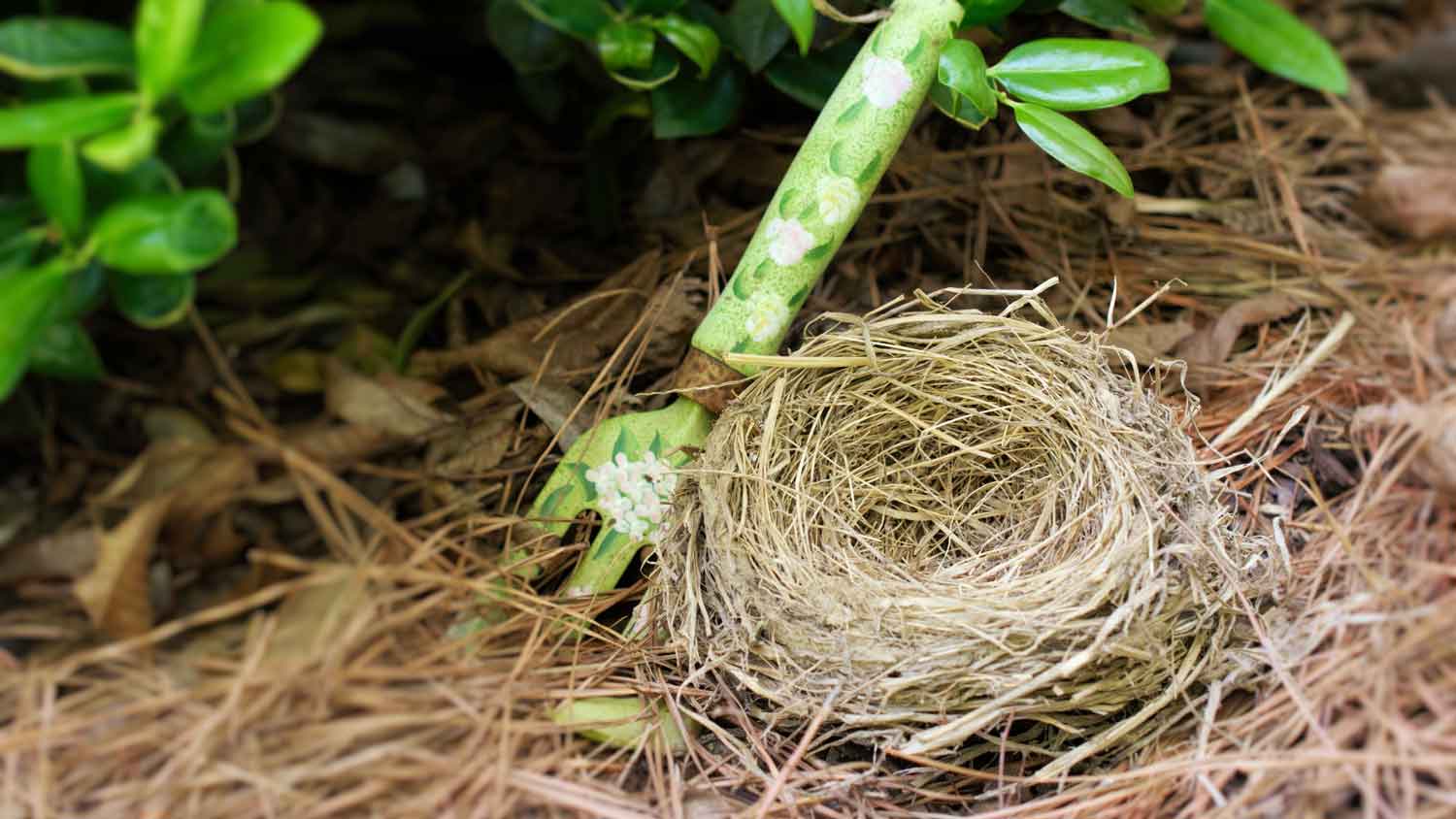
Sometimes birds nest in unwelcome places. Find out how much bird nest removal will cost based on factors like location, bird species, and preventative measures.