





Top-rated weed maintenance pros.

Get matched with top weed maintenance pros in Covington, WA

Enter your zip and get matched with up to 5 pros

Need a pro for your weed maintenance project in Covington, WA?

Select your specific project to find the pro for you.

TRUSTED BY COVINGTON, WA HOMEOWNERS

  • Average homeowner rating star icon4.3
    Average homeowner rating
  • Verified reviews icon939
    Verified weed maintenance services reviews

Find Weed maintenance pros in Covington

No results for Weed maintenance pro in

Try adjusting your search criteria.
Weed Services questions, answered by experts

Buffalo grass is not a dense grass, so weeds can grow between the buffalo grass plants. However, as long as you don’t overwater your lawn, weeds have a hard time growing. If you do notice weeds, you can use granular herbicides that are safe for buffalo grass in early and late summer.
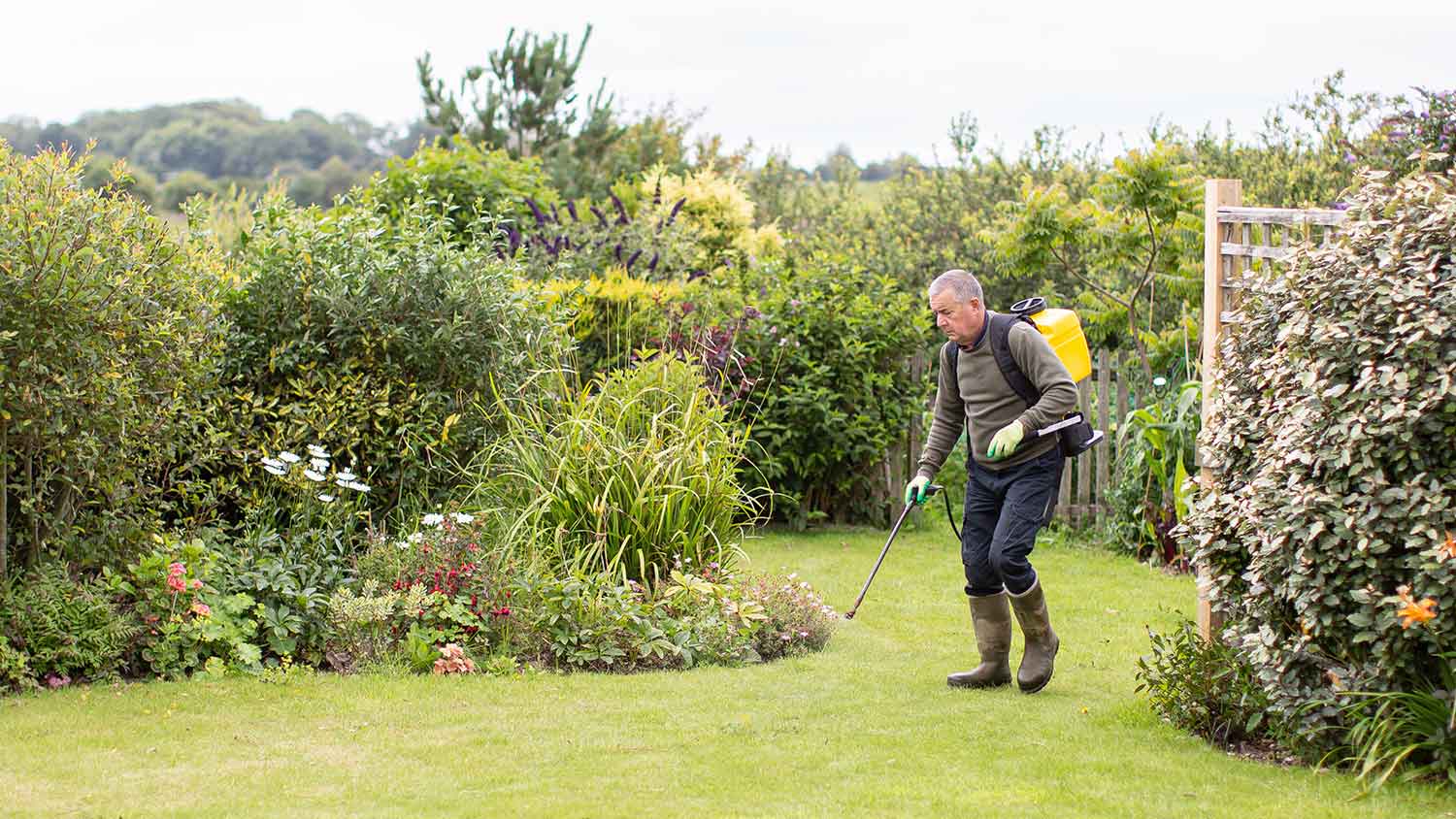
Sealing pavers helps cut down on weed growth, but it won’t wipe it out entirely. What it does really well is harden the joint sand—especially if you’re using a sealant with polymer additives—so weeds have a much harder time breaking through. It also blocks airborne seeds from settling in the cracks and keeps debris from building up. This results in fewer weeds, easier maintenance, and a cleaner-looking surface. Just remember, sealing is a strong defense—not a one-and-done solution. Stay on top of sweeping, spot-treating, and resealing every few years to keep your weeds in check.
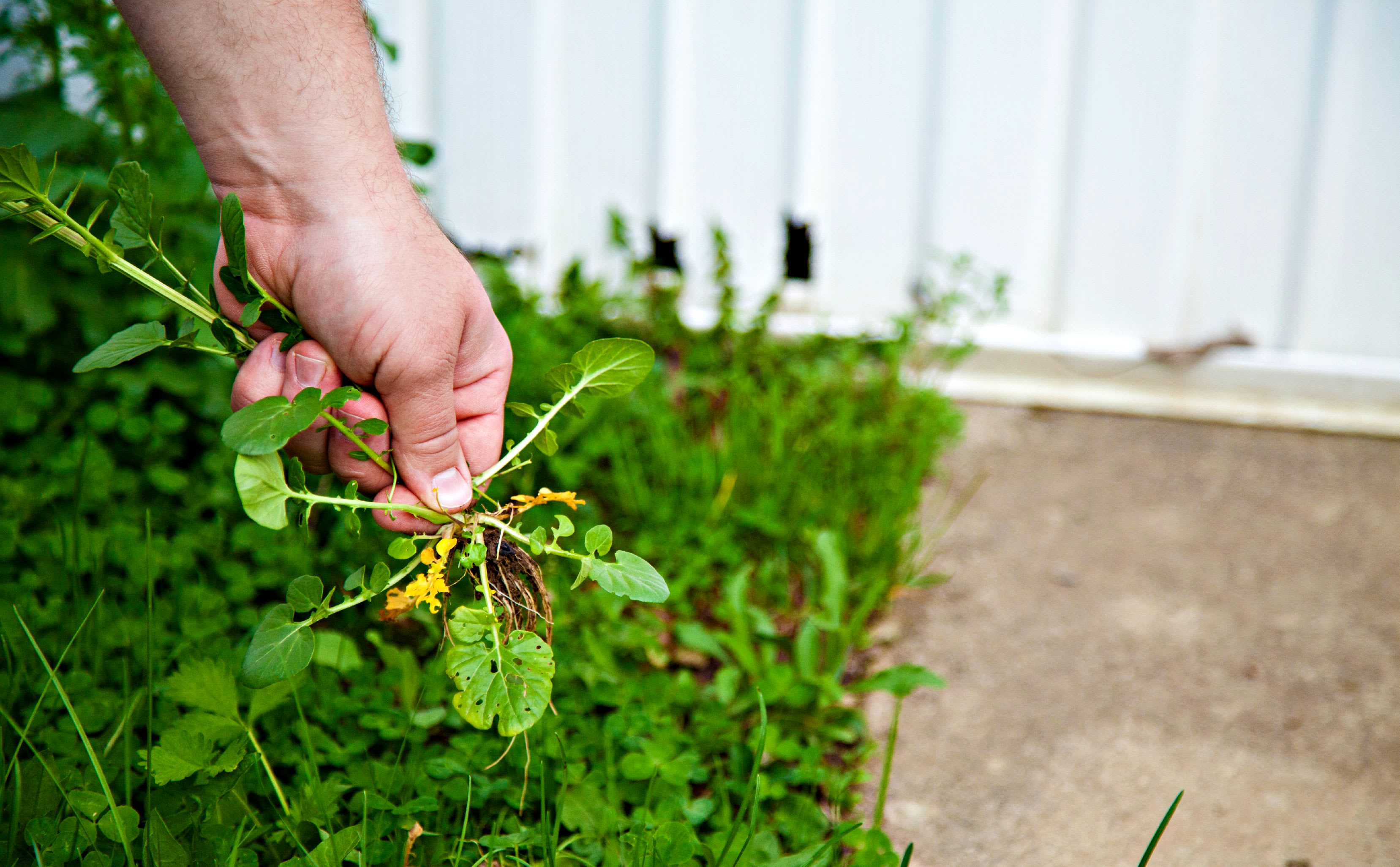
You should add 1 to 4 inches of mulch, depending on your garden type and needs. Keep in mind that no amount of mulch can completely prevent weeds, but a heavier coverage (closer to 4 inches) can suppress weeds enough that you are only seeing them sprout every few weeks. Finer mulch prevents weeds more effectively than large mulch, so if you’re using mulched leaves or shredded bark, 1 to 2 inches will likely suffice, while 3 to 4 inches is best for larger mulch, like bark chips or straw.

Mowing a lawn will, unfortunately, not get rid of clover, and it may even encourage it to flourish. Let your lawn grow to a healthy height of over 3 inches and then set your mower blades no lower than this level. Higher grass will cut out the light that clover loves and discourage it from spreading.

Some of the particular herbicides that work best to get rid of nut grass without killing the grass include Halosulfuron-methyl, mesotrione, sulfentrazone, and metsulfuron. A herbicide like glyphosate would kill nutgrass, but it will kill nearby plants, too.

The Covington, WA homeowners’ guide to weed maintenance services

From average costs to expert advice, get all the answers you need to get your job done.