

Top-rated radon detection and reduction specialists.

Get matched with top radon detection and reduction specialists in Burbank, WA

Enter your zip and get matched with up to 5 pros

Need a pro for your radon detection and reduction project in Burbank, WA?

Select your specific project to find the pro for you.

Find Radon detection and reduction specialists in Burbank

Avatar for Advanced Radon Technologies
Advanced Radon Technologies
4.5(
42
)
Radon Gas - Abatement

Serving Burbank, WA and surrounding areas

In business since 1971

Free estimates

Warranties offered

"Dave first off cares about his customers health and well being. He is interested in solving your Radon issue and making sure the work is high quality. He pulls proper permitting for electrical and his support team is awesome. The other Radon company that was used did not meet specific standards in doing Radon migitgation work. Do your homework and read reviews before hiring a Radon company and check certifications: https://nrpp.info/. Dave takes his profession seriously and has a tremendous background in this work. I highly recommend Advanced Radon Technologies."
Residential Systems
Residential Systems
Residential Systems
Residential Systems
Residential Systems

+11

Recommended by100%of homeowners
Radon Detection and Reduction questions, answered by experts

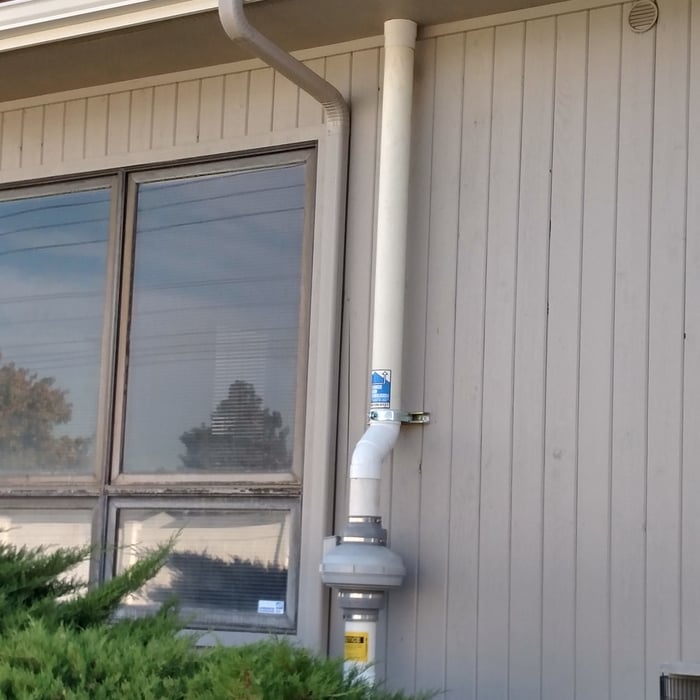
Your radon fan needs to operate 24/7 to be effective. The only time the fan isn't operating is during its replacement. Radon levels in the home can increase within hours if the fan stops working or something obstructs the stack vent. Fortunately, radon systems require no downtime maintenance between fan changes.

Your radon mitigation system may be loud because it’s time to replace it. Any sounds are usually from the inline fan that helps create the vacuum and resulting airflow. If you hear a new, loud mechanical or humming noise from your radon fan, it might be time to replace it. Most fans used in radon mitigation systems last up to 10 years, but may need to be replaced sooner.

The average radon mitigation system uses about 876 kWh of electricity per year, although the exact amount of electricity used will vary depending on the size of the radon fan. Once the system is installed, the annual increase to your energy bill could range from $30 to $300 per year, again depending on the size of the fan.

You'll need to test your home for radon after installing the mitigation system, then again every two years. If radon remains elevated, contact a licensed radon professional, either the contractor who installed the system or a different one, and have them evaluate the system. They may need to make some changes to improve its effectiveness and performance.

Radon is present almost everywhere but, like sunlight, the concentration levels and how often you are exposed to it have a large part to play in just how dangerous it is. There are levels of radon that are acceptable inside a house, but above a certain limit, radon becomes a serious radioactive hazard that is a known cause of lung cancer. In fact, radon exposure is the number two leading cause of lung cancer (after smoking).

The Burbank, WA homeowners’ guide to radon detection and reduction services

From average costs to expert advice, get all the answers you need to get your job done.