






Top-rated animal fencing pros.

Best animal fencing pros near Whitingham, VT

Enter your zip and get matched with up to 5 pros

Need a pro for your animal fencing service project in Whitingham, VT?

Select your specific project to find the pro for you.

Top-Rated Animal fencing pros in Whitingham - Updated Nov 2026

Animal Fencing FAQs, answered by experts

The cost of pest control services depends on various factors, but the average homeowner pays around $175, with a typical range of $100 to $500. Your final cost will be influenced by the type of pest, the size and severity of the infestation, and the number of treatments needed.

Service costs also vary by frequency:

  • One-time service: $300–$550

  • Initial visit for ongoing service: $150–$300

  • Monthly visits: $40–$70

  • Quarterly visits: $100–$300

  • Annual visits: $300–$550

For specific pest examples, getting rid of spiders typically costs between $100 and $300, whereas a termite infestation can cost from $230 to $2,500 or more, depending on the extent of the damage.

You’ll want to call a licensed and insured wildlife removal company that offers:

  • Full property inspection—indoor and outdoor

  • Proper animal identification

  • Written management plan with follow-up visits included

  • Humane removal techniques

  • Preventative exclusion measures

If it’s an emergency and you can’t wait, you’ll need to contact an emergency animal control company near you.

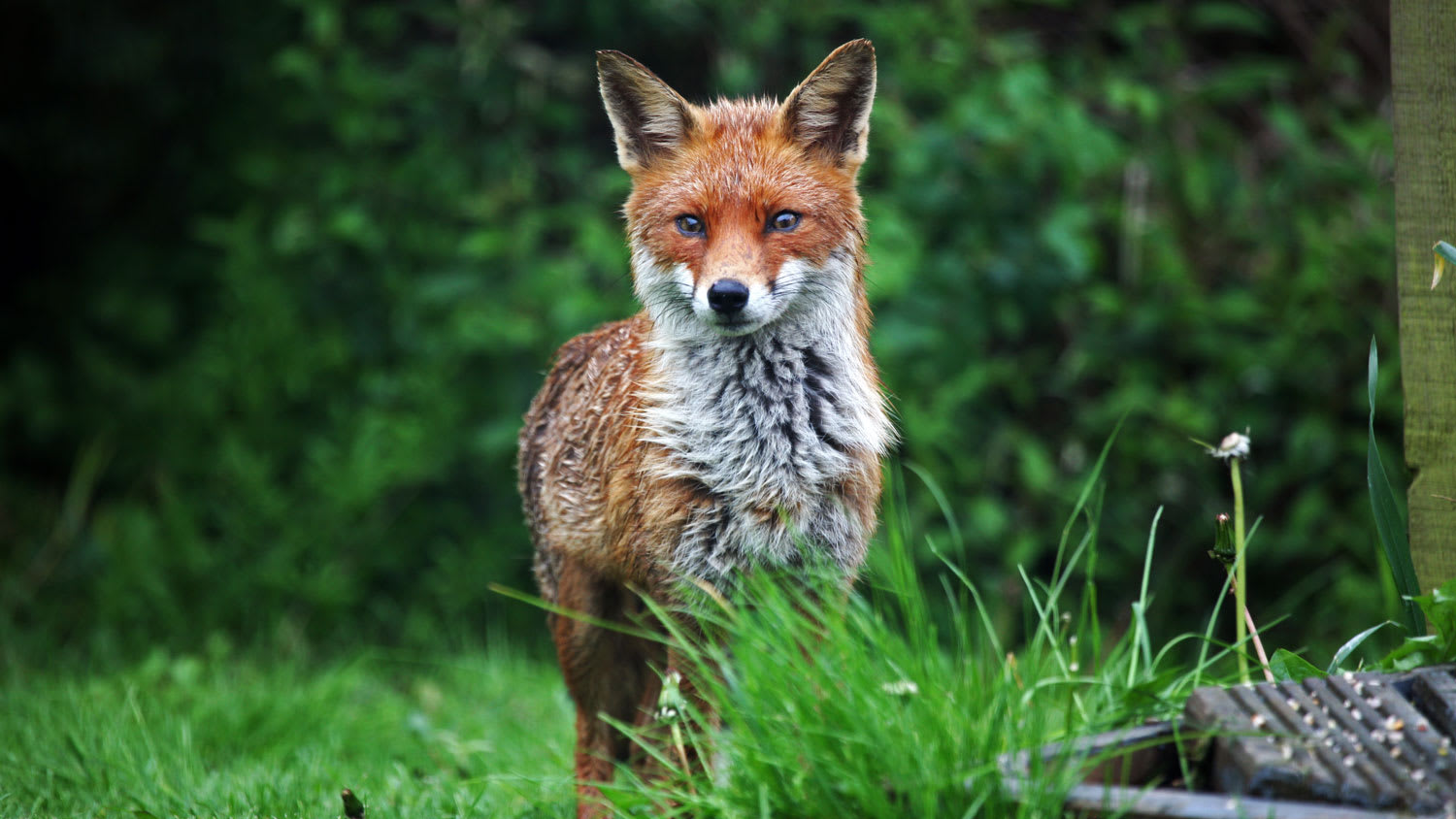
Hazing is an effective strategy for keeping foxes away from your yard because these wild animals are usually scared of people, loud noises, and sudden movements. If you have a large dog patrolling the yard, that’s also usually a powerful deterrent for foxes. You can also use hazing to keep badgers away from your yard, along with pests like raccoons and coyotes.

Bears are most active at dawn and dusk. They can be active at any point during the day, but the hours after sunset and before sunrise are their primary feeding times. As far as time of year goes, bears are generally active from April to November and hibernate throughout the winter and early spring. Bears are more likely to be aggressive in the spring right after hibernation but more likely to be seen in the fall because they are preparing for hibernation.

Generally, squirrels are not considered aggressive toward humans. They are more likely to flee than confront people. However, like many animals, they may exhibit aggressive behavior if they feel threatened or cornered. If you approach a squirrel too closely or try to handle it, especially if it's a mother protecting her young, it may resort to defensive tactics such as biting or scratching.

The Whitingham, VT homeowners’ guide to animal fencing services

From average costs to expert advice, get all the answers you need to get your job done.