







Top-rated arborists.

Get matched with top arborists in White River Junction, VT

Enter your zip and get matched with up to 5 pros

Need a pro for your arboricultural service project in White River Junction, VT?

Select your specific project to find the pro for you.

TRUSTED BY WHITE RIVER JUNCTION, VT HOMEOWNERS

  • Average homeowner rating star icon4.5
    Average homeowner rating
  • Verified reviews icon53
    Verified arboricultural services reviews

Find Arborists in White River Junction

Avatar for SW WOOD LLC
SW WOOD LLC
5.0(
1
)

Serving White River Junction, VT and surrounding areas

Approved

Free estimates

Emergency services offered

Small jobs welcome

"I was very pleased with the work he did, he has a nice way of explaining things , I sure I will hire him again for other projects when needed he is a very pleasant person to deal with. Tank you Scott for being such a nice guy ."
25 neighbors recently requested a quote
Avatar for D.R Guilmette Landworks
D.R Guilmette Landworks
New to Angi

Serving White River Junction, VT and surrounding areas

Approved

In business since 2010

Free estimates

Credit card accepted

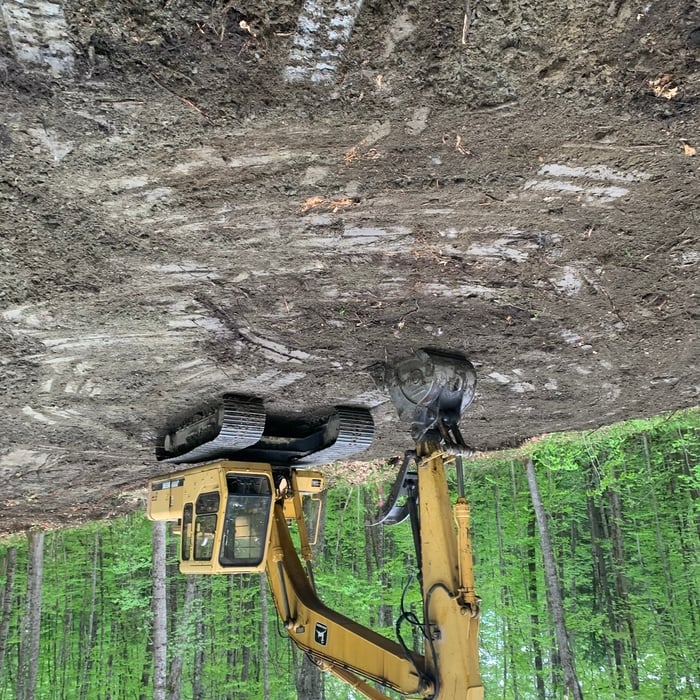
D.R Guilmette Landworks has extensive experience working with various areas of land developing. From building site preparation, to new patios for an existing home, our company can do it all.

21 neighbors recently requested a quote
...
Showing 1-10 of 63
Arborists questions, answered by experts

The lifespan of a bird's nest depends on the species. The building process can take from two days to three weeks. Once built, the nesting period for baby birds can last from two to ten weeks before they leave the nest. While most young birds are ready in two to six weeks, some predatory species may need up to two and a half months. Some species nest four to five times per year, so a nest could remain in use for several months. For specific information about a particular nest's longevity, it is best to consult a wildlife professional.

Unlike some fruit trees, such as apple, sweet cherry, or pear that require at least two trees for pollination, most peach trees are self-pollinating. This means you can plant just one tree and still expect it to produce fruit, typically within two to four years. For best results, consult with a local landscaper to choose the right peach tree variety for your specific climate, soil type, and yard layout.

Peach trees grow to be about 25 feet, so keep this in mind for pruning as well. If you plan to DIY, you’ll need to be comfortable working on a ladder. Without pruning, peach tree branches can sprawl nearly as wide as the tree grows tall, so make sure to plan pruning sessions at least once per year in the spring for controlled growth. And if you’re working on a ladder, be sure to follow all safety precautions, especially if you’ll be dealing with falling branches.

Some trees will bounce back just fine, and others will struggle and possibly die. Evergreens, for instance, have a very difficult time recovering after droughts and usually die after periods of extreme dryness. Usually, you’ll have to just wait and see—if the drought occurs in wintertime, it’s possible that your tree will recover during the gentler springtime.

Not all leaning trees are dangerous, but they can be a hazard as gravity may eventually cause them to fall. A key factor is whether the lean is new or has been present for a long time. Trees that have grown with a lean for years are not typically an immediate danger, but a sudden lean is a cause for concern as it often indicates weakening roots. If a tree is leaning more than 15% from vertical, you should consider having it straightened or transplanted. To be safe, it's always best to hire a professional arborist to inspect any leaning tree to assess the risk and avoid potential accidents.

The White River Junction, VT homeowners’ guide to arboricultural services

From average costs to expert advice, get all the answers you need to get your job done.