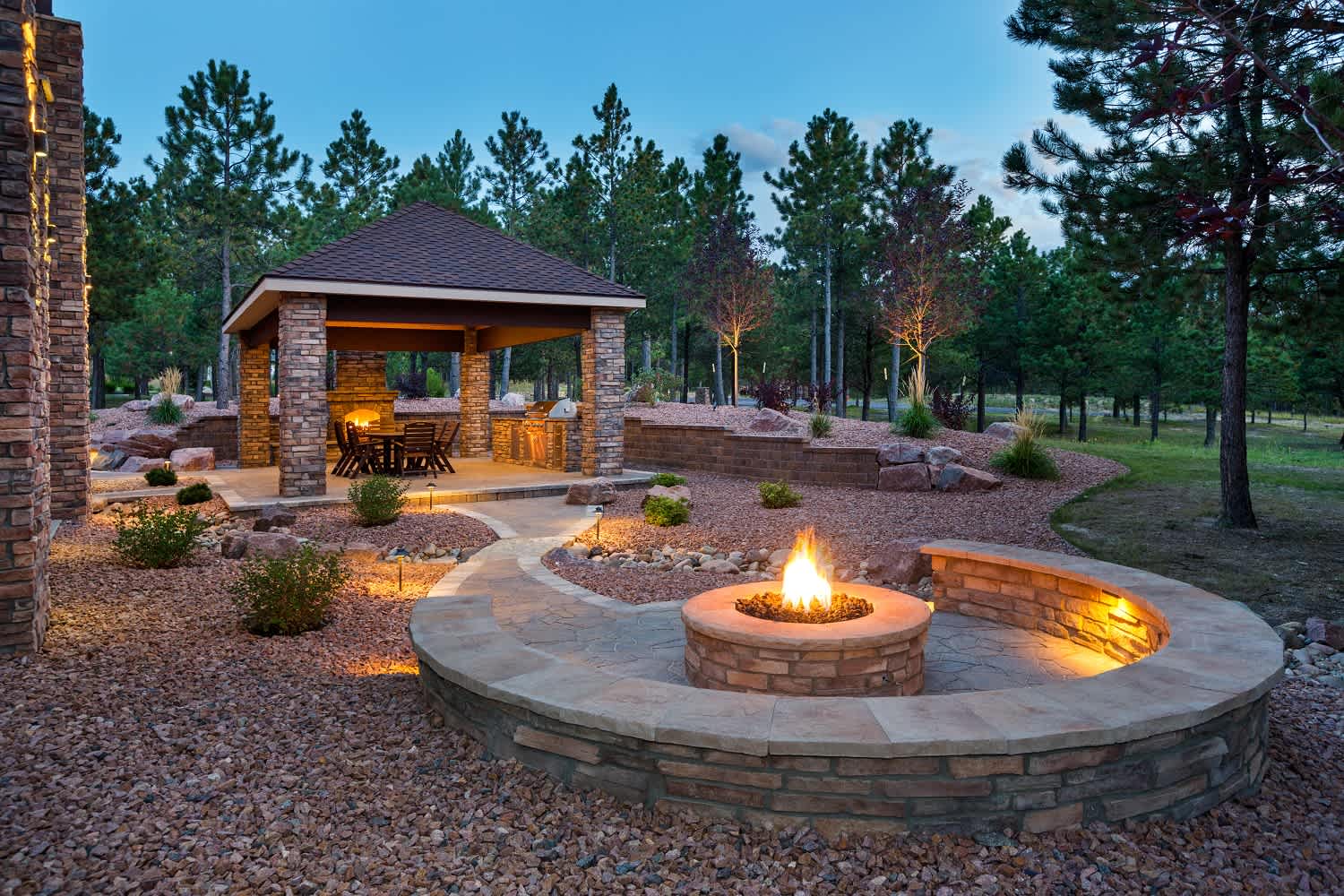






Top-rated fire pit installation pros.

Get matched with top fire pit installation pros in Stockbridge, VT

Enter your zip and get matched with up to 5 pros

Need a pro for your fire pit installation project in Stockbridge, VT?

Select your specific project to find the pro for you.

TRUSTED BY STOCKBRIDGE, VT HOMEOWNERS

  • Average homeowner rating star icon5
    Average homeowner rating
  • Verified reviews icon12
    Verified fire pit installation services reviews

Find Fire pit installation pros in Stockbridge

No results for Fire pit installation pro in

Try adjusting your search criteria.
Fire Pit Installation questions, answered by experts

To stop a smoke alarm from chirping, you must first determine what the device is alerting you to. If your battery is out or has been removed, simply change the battery and the chirping should stop. If it does not, try resetting the alarm, checking the breaker, or calling a professional to take a look.

No, a chirping smoke alarm is usually a sign of an issue with the power supply of the unit. This is easily solved by replacing the battery to stop the smoke alarm from beeping. If the chirp continues, review the owner’s manual to determine the cause. These chirps are short and not as loud as the beeping of the alarm itself. If you can’t tell the difference, it’s best to treat it like an activated alarm until you find the cause. 

A spark arrestor is not the same as a chimney cap. Both sit on the top of the chimney. However, the cap keeps debris from entering the chimney, and the spark arrestor’s primary function is to prevent burning embers from escaping. Some spark arrestors are integrated into the chimney cap, and others are installed separately.

You don’t have to put smoke detectors in every room. At a minimum, though, there should be one on every level of your home, one in every bedroom, and one in the hallways outside the bedrooms. If you have a floor without bedrooms, place a smoke detector in the living room or next to any stairs that lead to an upper level. Attics and basements should also have at least one smoke alarm.

Generally, an oil furnace is considered safer than a gas furnace for several reasons. While both types of furnaces can produce carbon monoxide, a leak in an oil furnace is easier to detect due to the smell. Oil furnaces also don't connect to a gas pipeline, which reduces the chance of a fuel leak. Most importantly, heating oil is not combustible, whereas natural gas is highly flammable. This means there is a much lower risk of combustion or explosion with an oil furnace. However, an oil furnace can still pose a fire hazard if it tips over.

The Stockbridge, VT homeowners’ guide to fire pit installation services

From average costs to expert advice, get all the answers you need to get your job done.