



Top-rated fencing pros.

Get matched with top fencing pros in Richmond, VT

Enter your zip and get matched with up to 5 pros

Need a pro for your fencing service project in Richmond, VT?

Select your specific project to find the pro for you.

TRUSTED BY RICHMOND, VT HOMEOWNERS

  • Average homeowner rating star icon4.6
    Average homeowner rating
  • Verified reviews icon28
    Verified fencing services reviews

Find Fencing pros in Richmond

Avatar for Faucher Construction
Faucher Construction
4.3(
25
)

Serving Richmond, VT and surrounding areas

In business since 2000

Free estimates

Emergency services offered

"Awesome. Beautiful job. Will call him again. Highly recommend Randy and Faucher Construction. I live in a condo so I have no way to dispose of building materials. Randy was very neat and removed all materials. Will be there when he says he will. Very responsible."
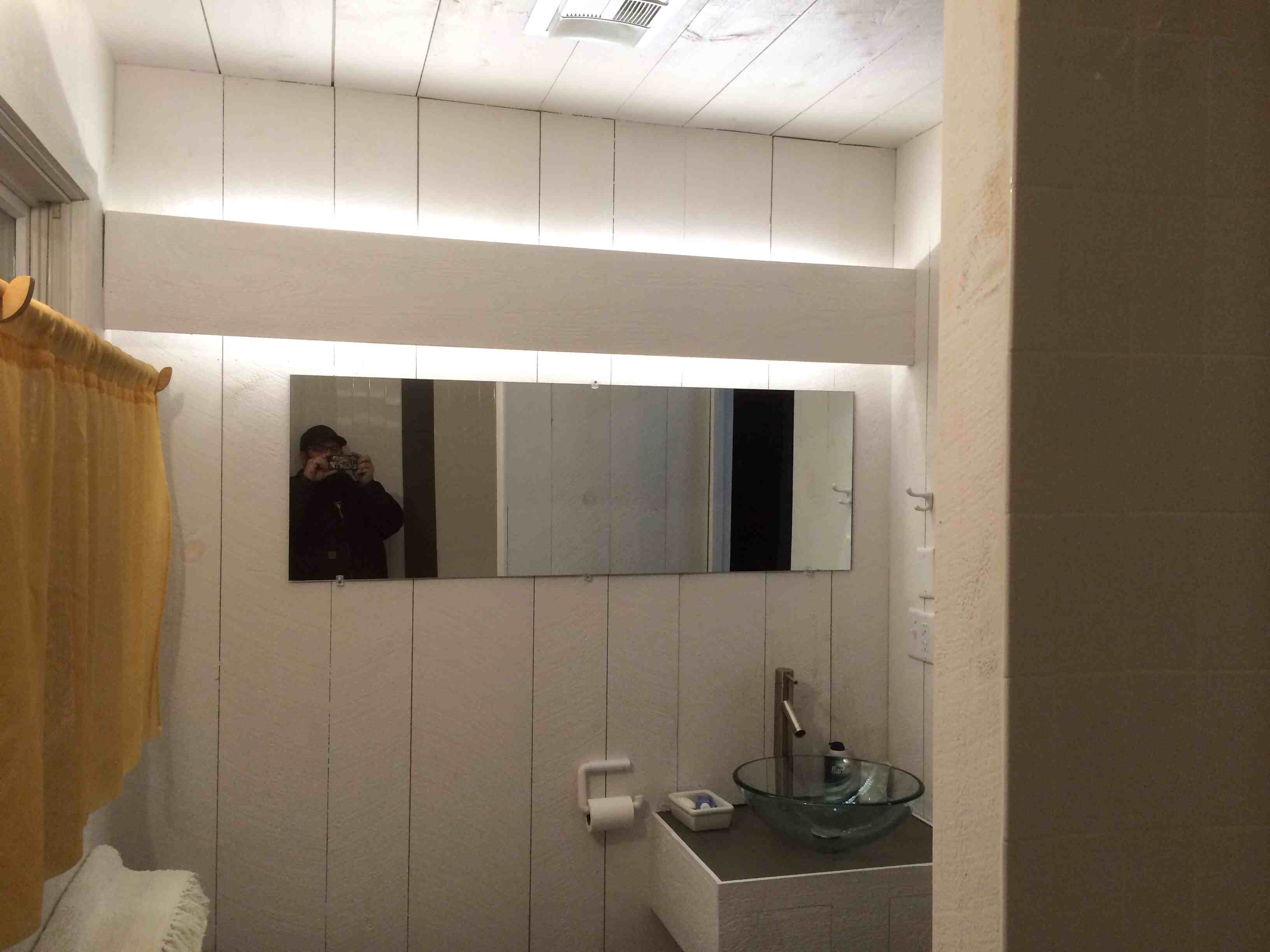
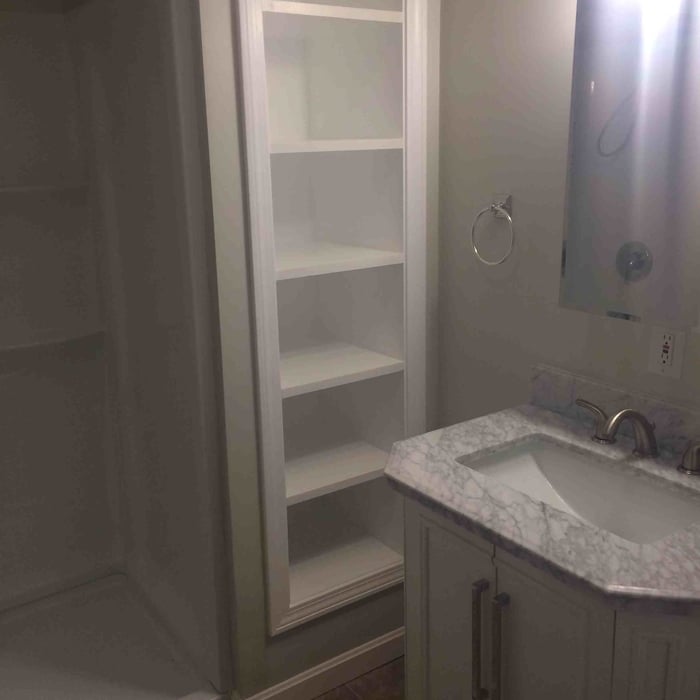
Custom handicap bathroom with oval floor level shower in an old house with custom built pocket doors and barn board walls
Additional Photos
Additional Photos
Additional Photos
Custom built in

+2

Recommended by72%of homeowners

Fencing questions, answered by experts

A silt fence should be buried in a trench that is 6 to 12 inches deep. A depth of at least 6 to 8 inches is necessary to prevent water and sediment from running underneath the fence. A deeper trench, up to 12 inches, provides better anchoring during wet and windy weather. To ensure proper installation, look for a red line on the silt fence fabric, which often indicates the correct burial depth. Always adhere to local guidelines and regulations; a professional contractor will be familiar with these requirements.

Silt fences are very effective when installed correctly and used in proper locations. However, there are places where they don’t work as well. This includes property with a concentrated water flow, where runoff could pool or cause a flooding hazard. You’ll also want to use caution when installing in areas susceptible to landslides. Your contractor will follow state guidelines and know when an alternate solution is more effective.

You can DIY a stockade fence installation, but prepare to put in some good sweat equity. For the best results, carefully plan the exact location of your fence before you break ground. In particular, carefully map out your post locations before setting them in concrete. Be sure to call your local utility company before digging to avoid damaging underground wiring and causing severe injury.

On the other hand, installing stockade fencing on your own might sound too overwhelming. It’s certainly time-consuming and labor-intensive. Besides the hard work, you must install it properly to avoid gaps. Unless you’re confident you can get the job done right, hiring a privacy fence installer near you is the way to go.

When deciding between fence post foam and concrete, the best choice depends on your specific needs and priorities. Concrete is generally considered stronger and more durable, making it the preferred option for heavy, load-bearing posts. However, expanding foam offers several advantages, such as being more eco-friendly and curing much faster. For smaller fences or those made with lighter materials like vinyl or wire mesh, post foam is a good alternative. While concrete is more affordable, it is also harder to work with and has a longer curing time.

Moisture and rot are the largest threat to wooden fences. Stain can help your wood fence last 15 to 20 years, but only if you choose a stain with waterproofing qualities or add a sealant. Oil-based stains create a thicker moisture barrier than water-based stains, though both are mold and mildew resistant. You’ll generally need to re-stain your fence every one to eight years to get full protection.

The Richmond, VT homeowners’ guide to fencing services

From average costs to expert advice, get all the answers you need to get your job done.

What do you need done? We’ll find top pros.
  • 🌱 "Mow a small front yard"
  • 🛠 "Fix a leaking pipe under the sink"
  • 🏠 "Repair shingles on an asphalt roof"