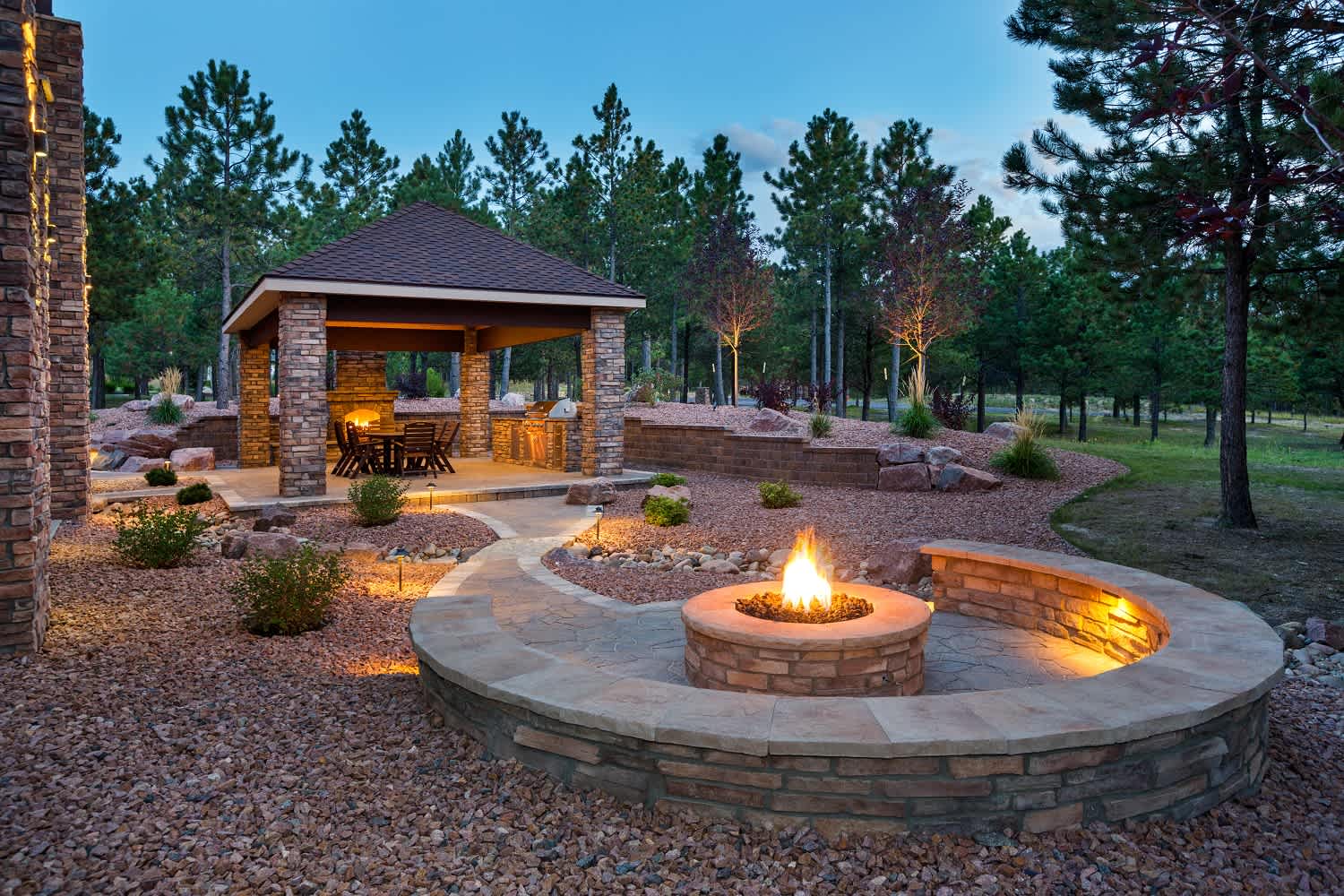





Top-rated fire pit installation pros.

Get matched with top fire pit installation pros in Hyde Park, VT

Enter your zip and get matched with up to 5 pros

Need a pro for your fire pit installation project in Hyde Park, VT?

Select your specific project to find the pro for you.

TRUSTED BY HYDE PARK, VT HOMEOWNERS

  • Average homeowner rating star icon4.1
    Average homeowner rating
  • Verified reviews icon11
    Verified fire pit installation services reviews

Find Fire pit installation pros in Hyde Park

No results for Fire pit installation pro in

Try adjusting your search criteria.
Fire Pit Installation questions, answered by experts

Lightning can cause massive damage, fires, and openings for other threats like bugs or fungal diseases. Barring any large fires or explosions, it’s difficult to tell how much damage a lightning strike has done until after a thorough inspection. Contact local authorities immediately if lightning strikes a tree in your yard and it causes a fire or explosion.

After a house fire, you should not reenter your home unless the fire crew has told you it’s safe to do so. In the longer term, you should not attempt to make repairs to the house on your own. Professional crews are trained to clean up after a fire (including smoke and soot damage), dry out any water damage from the firefighter crews, and make the necessary structural, plumbing, and electrical repairs—and this is all likely covered by insurance.

Call 911 immediately. If you have a fire extinguisher or fire blanket near the laundry room, you can attempt to extinguish the fire, but don’t open or touch the dryer. If you can’t put the fire out, evacuate yourself, your family, and your pets from the house, closing the laundry room door behind you. Turn off the electricity to your home via the outside fuse box, then wait for the fire department. After a dryer fire, have your home’s electrical system inspected to make sure there isn’t any damage.

Generally, an oil furnace is considered safer than a gas furnace for several reasons. While both types of furnaces can produce carbon monoxide, a leak in an oil furnace is easier to detect due to the smell. Oil furnaces also don't connect to a gas pipeline, which reduces the chance of a fuel leak. Most importantly, heating oil is not combustible, whereas natural gas is highly flammable. This means there is a much lower risk of combustion or explosion with an oil furnace. However, an oil furnace can still pose a fire hazard if it tips over.

Bioethanol fireplaces are safe when users follow the instructions and maintain the fireplace. Ethanol is flammable, however, and should be kept away from flammable surfaces, children, and pets.

The Hyde Park, VT homeowners’ guide to fire pit installation services

From average costs to expert advice, get all the answers you need to get your job done.