


Top-rated electricians.

Best electricians near Grand Isle, VT

Enter your zip and get matched with up to 5 pros

Need a pro for your electrical service project in Grand Isle, VT?

Select your specific project to find the pro for you.

TRUSTED BY GRAND ISLE, VT HOMEOWNERS

  • Average homeowner rating star icon4.6
    Average homeowner rating
  • Verified reviews icon71
    Verified electrical services reviews

Top-Rated Electricians in Grand Isle - Updated Nov 2026

Avatar for Current Electric, Inc.
Current Electric, Inc.
4.9(
22
)
Ceiling Fan - InstallElectric Vehicle Charging Station Installation - For Business - Materials Not ProvidedElectric Vehicle Charging Station Installation - For Business - Materials Provided by Consumer+11 more

Serving Grand Isle, VT and surrounding areas

Approved

In business since 2022

Free estimates

Credit card accepted

"Current electric replaced and installed a new bathroom exhaust fan. Excellent work, our current fan looked like a disaster and the new install looks absolutely amazing! I would definitely recommend and hire current electric again. If I need other electrical work I will be reaching out to current electric."

Coffee Bar Lighting
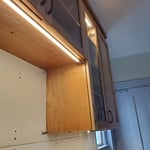
Under Cabinet Lighting
Kitchen Remodel
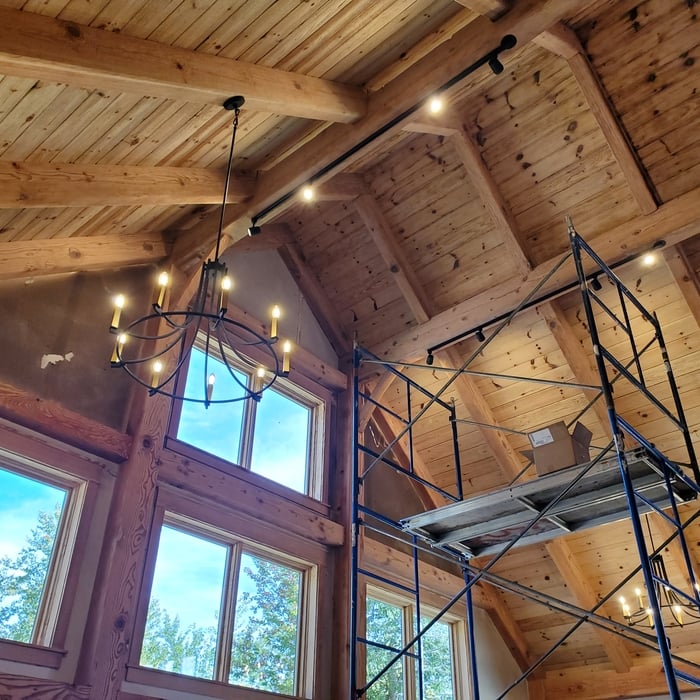
Timber Frame Lighting

+5

Response time2 days
Recommended by90%of homeowners
Avatar for M.L. & Sons Electric
M.L. & Sons Electric
5.0(
1
)
Fixed Generator - InstallElectric Vehicle Charging Station Installation - For Business - Materials Provided by ConsumerElectric Vehicle Charging Station Installation - Materials Not Provided+15 more

Serving Grand Isle, VT and surrounding areas

Approved

In business since 2018

Free estimates

Small jobs welcome

"Milton was amazing. He quickly discovered the causes and solutions to our electrical problems. He is extremely knowledgable, professional, personable and kind. He is enthusiastic about his work and has great energy. He is also affordable- which is a rare thing these days. We are looking forward to seeing him soon to do further work for us."
Response time3 days
1 neighbors recently requested a quote
Go Electric
5.0(
5
)
Electric Vehicle Charging Station Installation - For Business - Materials Provided by ConsumerElectric Vehicle Charging Station Installation - Materials Not ProvidedElectric Vehicle Charging Station Installation - Materials Provided by Consumer

Serving Grand Isle, VT and surrounding areas

In business since 2003

Free estimates

Offers commercial services

"Great experience working with Gordie. He installed a new panel and meter for me. The work was done faster then expected and the panel looks and preforms flawless. I will be hiring Gordie again for any future electrical needs."
Response time7 hrs
Recommended by80%of homeowners

Showing 1-10 of 32
Electrical FAQs, answered by experts

A home warranty usually covers electrical wiring work, depending on your specific plan. Most home warranty plans cover repairs for major appliances and home systems, including failure due to wear and tear. Home warranties aren’t as common as homeowners insurance, but they are more likely to cover old wiring.

Yes, electric-start snow blowers need to be plugged in to start, but you can unplug them and go once they’re up and running. Simply plug the snow blower into an outdoor outlet and press the start button. Once it starts, you can unplug it and use it freely. The idea for these types of snow blowers is to simplify the starting process from the typical pull-string starts.

A ground wire is not required for GFCI to work. A ground is a third wire in an outlet in addition to the live and neutral wires. It serves as an escape conduit for electricity in case of a short circuit. If a ground wire is present, installers should connect it to the appropriate terminal. Otherwise, a GFCI will work fine without it.

The standard copper wire gauge to use with any 30-amp circuit is a 10-gauge wire. The National Electric Code specifies a 10-gauge wire with appliances like water heaters running on 30 amps. If you try to use a smaller gauge wire, such as a 12 gauge, with a 30-amp breaker, you run the risk of the wire overheating and melting or causing a fire. Because of the safety hazards, the gauge of the wire is not an area to try to cut costs when connecting a 30-amp breaker to a water heater.

Dehumidifiers typically use 300 to 700 watts of electricity per hour, whereas portable dehumidifiers use about 40 watts per hour. The exact amount of electricity your dehumidifier will generate depends on its capacity and energy efficiency. Generally, higher-capacity dehumidifiers generate more electricity than lower-capacity units, but they also usually have better energy efficiency over the long run.

The Grand Isle, VT homeowners’ guide to electrical services

From average costs to expert advice, get all the answers you need to get your job done.